
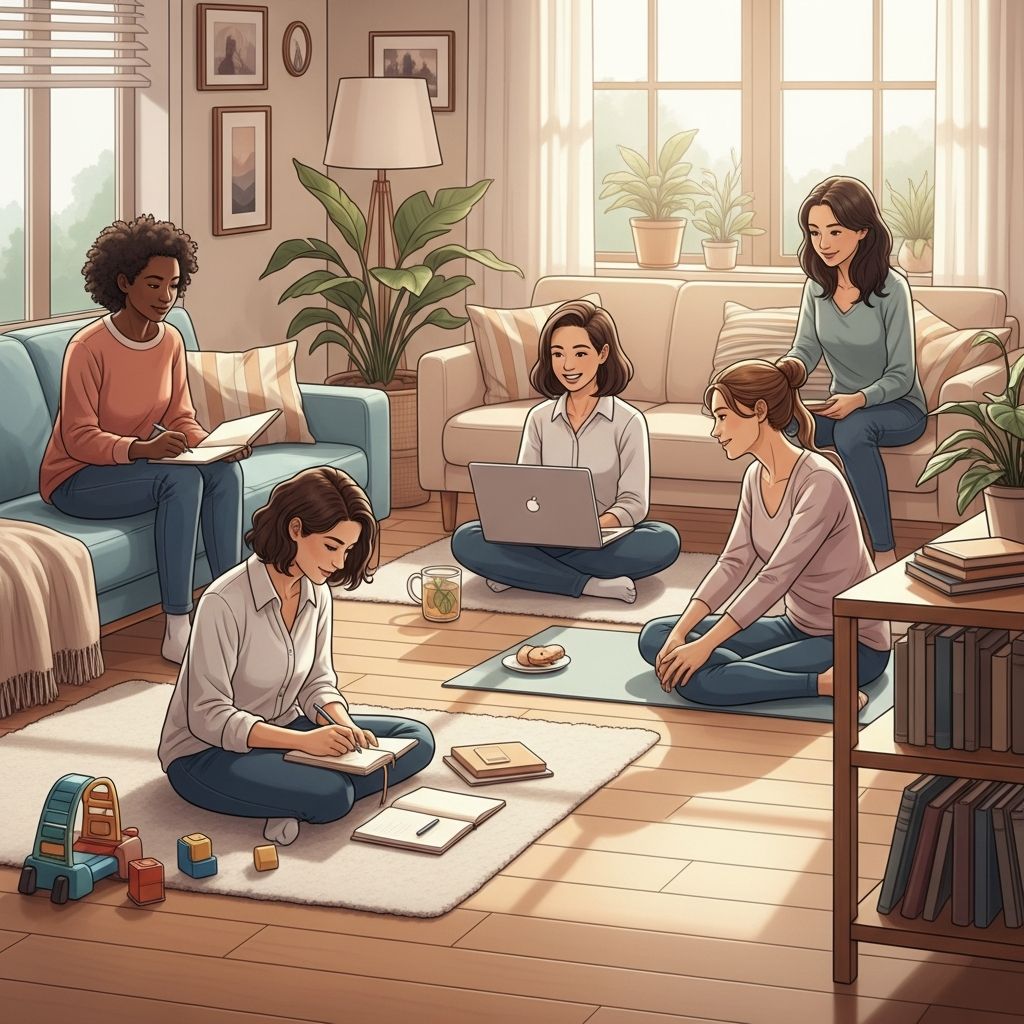
Embracing the role of a stay-at-home mom brings immense rewards but also unique challenges like managing endless tasks and maintaining personal fulfillment. This guide draws from real experiences to provide fresh strategies for creating structure, nurturing well-being, fostering connections, and pursuing growth, helping you flourish in this vital position.
Establishing Daily Frameworks for Success
Structure transforms chaotic days into purposeful ones. Without the external deadlines of a workplace, it’s easy to drift, but intentional frameworks provide rhythm and accomplishment.
- Designate task-specific days: Assign chores like grocery shopping on Mondays, laundry on Wednesdays, and bill payments on Thursdays to build momentum and reduce decision fatigue.
- Incorporate fixed social slots: Schedule weekly playdates or mom meetups on a consistent afternoon to ensure outings happen amid busy schedules.
- Start mornings proactively: Rise before the family for quiet time to sip coffee, plan the day, or exercise, setting a positive tone.
These frameworks aren’t rigid prisons but flexible guides that honor your energy levels while ticking off essentials. Over time, they cultivate a sense of control and progress.
Infusing Joy Through Personal Rituals
Small, deliberate indulgences remind you that your preferences matter amid family demands. Rituals act as anchors, boosting morale without requiring extra time.
| Ritual Idea | Benefits | How to Implement |
|---|---|---|
| Morning coffee ritual | Elevates start of day, provides mental reset | Brew a special blend while kids play nearby |
| Evening unwind drink | Signals transition from duties to relaxation | Sip herbal tea or wine during dinner prep |
| Magazine or podcast time | Stimulates mind, pairs with chores | Listen while folding laundry or washing dishes |
These moments recharge your spirit, preventing burnout. Customize them to your tastes—perhaps a favorite playlist or scented candle—to make ordinary routines delightful.
Prioritizing Physical and Mental Wellness
Wellness is the foundation of effective parenting. Neglecting it leads to exhaustion, but simple habits enhance stamina, mood, and clarity.
- Movement without intensity: Opt for stroller walks around the block or extra laps in parking lots before shopping; even modest activity releases endorphins for better sleep and focus.
- Seek respites: Enlist partners, family, or sitters for short breaks to recharge—pedicures, errands, or solitude prevent resentment buildup.
- Protect rest: Use earplugs for uninterrupted naps when others handle kids, safeguarding rare recovery opportunities.
Physical health supports mental resilience. Studies from health authorities emphasize that regular, accessible exercise improves maternal mental health outcomes.[CDC data on maternal wellness].
Cultivating Connections and Community
Isolation amplifies challenges, but building a support network provides validation, advice, and shared joy.
- Seek fellow moms: Join local groups or plan casual coffee chats; these bonds offer empathy and practical tips from those in similar seasons.
- Plan outings: Leave the house regularly for parks, libraries, or errands to break monotony and stimulate everyone.
- Host low-key gatherings: Invite friends for playdates that double as adult conversation time, fostering mutual encouragement.
Communities remind you you’re not alone. Peer support correlates with lower stress in stay-at-home parents, per family research.[APA family studies].
Preserving Your Individuality
Beyond motherhood, nurture the multifaceted you through hobbies, goals, and reflection to avoid identity loss.
- Pursue passions: Dedicate 30 minutes daily to guitar, painting, or reading while kids are occupied, keeping skills sharp.
- Maintain journals: Document thoughts, gratitudes, or prayers to process emotions and track growth over tough seasons.
- Set personal objectives: Enroll in online courses or volunteer to evolve toward future dreams, ensuring this phase builds rather than stalls you.
These practices affirm your wholeness. Retaining personal interests enhances parenting satisfaction, as noted in longitudinal parent development studies.[NIH parenting research].
Mastering Mindset Shifts for Long-Term Fulfillment
Mindset underpins thriving. Reframing perspectives turns potential pitfalls into strengths.
- Embrace gratitude: Note daily wins to counter negativity bias and appreciate small victories.
- Release comparisons: Focus on your family’s unique path, ditching social media pitfalls that breed discontent.
- Adapt boundaries: Learn to say no without guilt, protecting energy for priorities like family and self.
- Check in regularly: Periodically assess routines as kids grow, refining what serves your current life stage.
These shifts foster resilience. Positive psychology frameworks highlight gratitude’s role in maternal happiness.[APA positive psych].
Practical Tools and Organization Hacks
Efficiency tools streamline chaos, freeing mental space.
- Curate a ‘mom toolbox’ with essentials like meal prep containers, activity bins, and backup plans for rough days.
- Batch mundane tasks: Pair laundry with audiobooks, dishes with calls to friends.
- Dress intentionally each day to signal ‘ready for action’ and boost confidence.
Organization reduces overwhelm, enabling focus on joyful parenting moments.
Frequently Asked Questions (FAQs)
What if I feel overwhelmed starting routines?
Begin small—one task per day—and build gradually. Consistency breeds ease; enlist accountability from a partner or friend.
How do I find time for self-care?
Integrate micro-habits like 10-minute walks or early wake-ups. Creative scheduling, like nap-time rituals, maximizes slivers of time.
Is it normal to grieve my working identity?
Yes, many experience this transition. Acknowledge it, then invest in new goals to rebuild purpose.
How often should I connect with other moms?
Aim for weekly interactions—coffee, parks, or groups—to combat isolation effectively.
What hobbies suit busy moms?
Quick pursuits like journaling, short instrument practice, or podcasts during chores fit seamlessly.
References
- Survival Guide for the Professional-Turned-Stay-at-Home-Mom — Power of Moms. Accessed 2026. https://powerofmoms.com/survival-guide-professional-turned-stay-home-mom/
- A Stay-at-Home Mom’s Survival Guide for My Fellow SAHMs — Tinybeans. Accessed 2026. https://tinybeans.com/stay-at-home-mom-survival-guide/
- 8 Tips I’d Give a New Stay At Home Mom — My Source Life. Accessed 2026. https://mysourcelife.com/8-tips-id-give-a-new-stay-at-home-mom/
- Becoming a Happy Stay at Home Mom (and thriving in this role) — Thoughtful Parent. Accessed 2026. https://thoughtfulparent.com/how-to-enjoy-being-a-stay-at-home-mom
- Maternal Mental Health — Centers for Disease Control and Prevention (CDC). 2024-01-15. https://www.cdc.gov/reproductivehealth/maternalinfanthealth/maternal-mental-health.htm
- Parenting and Family Dynamics — American Psychological Association (APA). 2025-06-10. https://www.apa.org/topics/parenting

- Integrated M.A. in Applied Linguistics, University of Hyderabad
- 5+ years in editorial, instructional, SEO, and research-based writing
Sneha is a relationships and lifestyle writer with a strong foundation in applied linguistics and certified training in relationship coaching. She brings over five years of writing experience to theskillvault, crafting thoughtful, research-driven content that empowers readers to build healthier relationships, boost emotional well-being, and embrace holistic living. Her writing and insights reflect the belief that beauty, happiness, and wellness…