
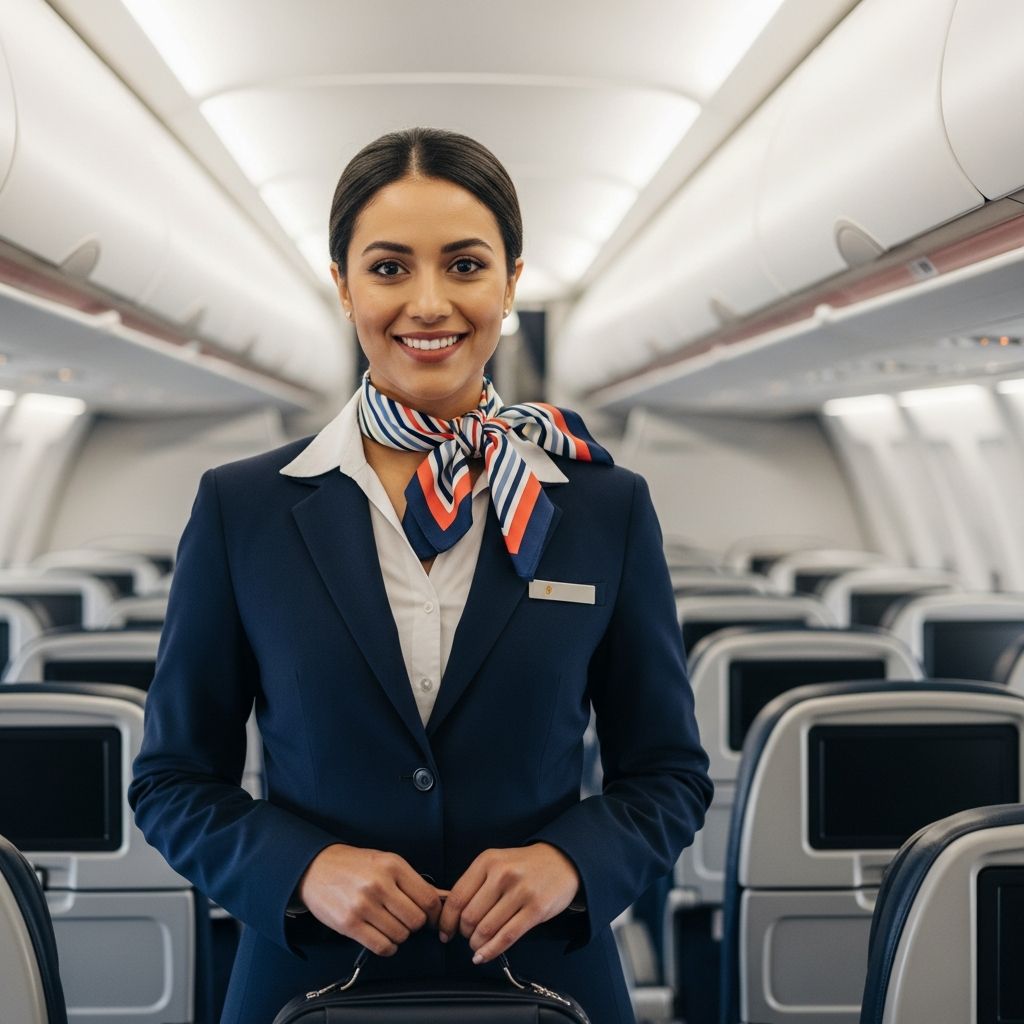
Pursuing a career as a flight attendant represents a unique opportunity to combine service excellence with global travel. The interview process, however, demands thorough preparation and strategic thinking. Airlines seek candidates who balance safety awareness with exceptional customer service while demonstrating the ability to handle high-pressure situations with composure. This guide provides actionable insights into what hiring managers expect and how to position yourself as the ideal candidate.
Understanding the Flight Attendant Role and Responsibilities
Before entering an interview, candidates must comprehend the full scope of flight attendant duties. The position extends far beyond serving beverages and meals. Flight attendants function as safety officers first and foremost, bearing responsibility for passenger welfare during normal operations and potential emergencies. Their duties include conducting comprehensive pre-flight safety checks, demonstrating emergency procedures in a clear and engaging manner, and assisting passengers during boarding and throughout the flight.
The operational responsibilities demand constant attention to detail. Attendants monitor cabin conditions, address passenger requests promptly, respond to medical situations within their training scope, and ensure all safety protocols remain strictly followed. Post-flight responsibilities include documenting maintenance issues, ensuring cabin cleanliness, and communicating relevant information to ground crews. Understanding these multifaceted duties helps candidates articulate why they are genuinely suited for the position rather than simply attracted to travel benefits.
Core Competencies Airlines Evaluate During Interviews
Hiring managers assess specific capabilities that directly impact operational safety and passenger satisfaction. These competencies form the foundation of interview evaluation, and candidates should strategically demonstrate each throughout their responses.
Communication Proficiency
Effective communication extends beyond basic conversation. Flight attendants must deliver safety information clearly to passengers from diverse linguistic backgrounds, coordinate seamlessly with crew members, and communicate customer concerns to pilots and ground personnel. Candidates should provide examples demonstrating their ability to simplify complex information, remain patient when explaining procedures repeatedly, and adapt their communication style to different audiences. Bilingual capabilities particularly strengthen candidacy in competitive markets.
Customer Service Excellence
Airlines operate in a service industry where passenger satisfaction directly influences company reputation and financial performance. Exceptional customer service involves anticipating passenger needs before they arise, responding graciously to unreasonable demands, and maintaining professionalism despite challenging interactions. Interviewers seek evidence of genuine empathy, problem-solving initiative, and the ability to remain positive throughout long, demanding flights.
Emergency Response Capabilities
Safety remains paramount in aviation. Candidates must convince interviewers that they can remain calm under extreme pressure, follow procedures precisely, and make sound decisions when circumstances become unpredictable. Responses should acknowledge that safety training provides foundational knowledge, but personal temperament and experience managing stressful situations determine actual performance during crises.
Collaborative Teamwork
Flight crews depend on mutual trust and coordinated effort. Candidates should illustrate their ability to work effectively with diverse personality types, contribute to group goals, and subordinate individual preferences to collective operational needs. Examples from previous employment demonstrating successful team environments prove more convincing than theoretical statements about teamwork importance.
Attention to Detail and Diligence
Safety protocols and passenger comfort both require meticulous attention. Candidates must show that they systematically follow checklists, maintain awareness of minor details that impact comfort, and identify potential problems before they escalate. This competency proves essential since lapses in attention create safety risks and diminish passenger experiences.
Strategic Approaches to Common Interview Questions
Flight attendant interviews typically include both behavioral and situational questions. Behavioral questions ask about past experiences, allowing interviewers to assess actual performance patterns. Situational questions present hypothetical scenarios, evaluating how candidates think through problems and prioritize responses.
Motivation and Career Direction Questions
Interviewers frequently begin by exploring why candidates pursue flight attendant positions. Rather than citing travel desires, compelling answers emphasize passion for customer service, commitment to safety excellence, and genuine interest in the airline industry. Candidates should research the specific airline and articulate how their values align with company culture. Discussing long-term career aspirations in aviation—such as crew leadership roles or specialized safety positions—demonstrates genuine commitment rather than temporary career interest.
Handling Difficult Passenger Scenarios
Expect questions about managing upset or uncooperative passengers. Effective responses should outline a systematic approach: remaining calm, listening actively to understand the passenger’s concern, offering concrete solutions within airline policy, and involving other crew members or pilots when situations escalate beyond individual capability. Candidates should acknowledge that conflict resolution often requires patience and multiple attempts before achieving satisfactory outcomes.
Safety and Emergency Protocol Questions
When asked about emergency procedures, candidates should demonstrate knowledge of evacuation protocols, medical response procedures, and communication channels during crises. Rather than reciting training material, successful responses explain the reasoning behind protocols and how personal training would prepare them to execute procedures effectively under stress. Acknowledging the importance of ongoing training and recertification shows maturity and safety consciousness.
Stress Management and Well-being Inquiries
Flight attendants work irregular schedules, face jet lag, manage confined spaces for extended periods, and encounter emotionally demanding situations. Interviewers evaluate how candidates maintain physical health, mental resilience, and professional demeanor despite these challenges. Discussing specific strategies—such as exercise routines, sleep hygiene practices during layovers, or stress-reduction techniques—demonstrates realistic understanding of the position’s demands and personal responsibility for maintaining performance standards.
Demonstrating Relevant Experience and Skills
Candidates without flight attendant experience should strategically connect previous roles to required competencies. Customer service positions, hospitality work, emergency response roles, and even volunteer experiences handling diverse populations all provide relevant backgrounds. The key involves translating these experiences into aviation-specific language. A retail supervisor managing difficult customers demonstrates customer service skills. A restaurant server coordinating multiple tasks under pressure shows operational efficiency. A healthcare worker remaining calm during medical emergencies shows composure in crisis situations.
Language proficiency significantly enhances candidacy. Fluency in Spanish, Mandarin, Arabic, or other commonly spoken languages provides operational value on international routes. Even basic conversational ability in additional languages shows initiative and cultural awareness. Candidates should be prepared to demonstrate language skills during interviews, as some airlines include communication assessments in their processes.
Research and Preparation Strategies
Thorough company research distinguishes prepared candidates from others. Successful applicants understand airline history, current fleet composition, primary route networks, company culture, and recent news affecting the organization. This knowledge allows candidates to answer questions about why they specifically chose that airline rather than generic responses applicable to any carrier. Researching common interview formats—whether first-round phone screens, group interviews, or role-play exercises—allows candidates to prepare appropriate responses and practice delivery techniques.
Professional Presentation and Demeanor
First impressions influence interviewer perceptions before candidates speak. Flight attendant positions require professional appearance standards reflected in business formal attire—navy or black suits, polished shoes, neat grooming, and minimal jewelry. Arriving 10-15 minutes early, offering firm handshakes, maintaining eye contact, and projecting confidence through posture and tone all contribute to positive impressions. During interviews, speaking clearly and avoiding filler words such as “um” or “like” demonstrates professionalism and controls nervousness.
Addressing Potential Concerns Proactively
Career gaps, job-hopping history, or limited experience requires strategic framing. Rather than allowing interviewers to interpret absences negatively, candidates should briefly explain gaps with focus on current readiness and enthusiasm. Frequent job changes can be reframed as learning experiences that developed diverse skills and clarified career direction toward aviation. Limited customer service experience can be offset by emphasizing transferable skills, willingness to learn, and demonstrated commitment through preparation and qualifications.
Questions Candidates Should Ask Interviewers
Most interviews conclude by asking candidates if they have questions. This represents an important opportunity to demonstrate genuine interest and clarify important information. Effective questions focus on crew training programs, schedule flexibility, advancement opportunities, company culture, and specific route assignments. Asking about interviewer experiences as flight attendants or within the company humanizes the interaction and shows appreciation for their perspective.
Frequently Asked Questions About Flight Attendant Interviews
Q: How should I address nervousness during interviews?
A: Thorough preparation builds confidence. Practice responses to anticipated questions, research the airline extensively, and conduct mock interviews with friends or mentors. Deep breathing exercises before interviews calm nervous systems. Remember that interviewers expect some nervousness and appreciate candidates who acknowledge it professionally while remaining focused and engaged.
Q: What should I do if I don’t know an answer to a question?
A: Honesty combined with strategic thinking impresses interviewers more than fabricated responses. You might say, “I haven’t encountered that specific situation, but here’s how I would approach it based on my understanding of the role and my problem-solving approach.” This demonstrates authenticity while showing analytical capability.
Q: How important are certifications for flight attendant positions?
A: Most airlines provide comprehensive training and certification after hiring, so pre-employment certifications are not required. However, CPR/First Aid certifications or previous emergency response training strengthen applications by showing initiative and relevant preparation for safety-focused responsibilities.
Q: Should I mention salary expectations during interviews?
A: Typically, avoid discussing salary in initial interviews unless directly asked. If asked, research industry standards for your region and airline size, then provide a range rather than specific figure. Stating that you want to learn more about the position and company before discussing compensation demonstrates professional maturity.
Q: How do I handle questions about my ability to manage irregular schedules?
A: Provide specific examples showing you’ve successfully managed irregular schedules, multiple priorities, or lifestyle changes in previous roles. Discuss strategies you employ for maintaining health and relationships despite unpredictable hours. Acknowledge the challenge while emphasizing your commitment and capability.
Final Preparation Checklist
- Research the specific airline’s history, culture, routes, and recent developments
- Practice verbal responses to anticipated questions with a friend or recording device
- Prepare 3-5 detailed examples demonstrating customer service, teamwork, and problem-solving
- Obtain CPR/First Aid certification if not already current
- Plan interview outfit following business formal standards weeks in advance
- Review your resume and be prepared to discuss every position and gap
- Prepare thoughtful questions about training, culture, advancement, and schedules
- Identify transportation to interview location and plan arrival for 10-15 minutes early
- Get adequate sleep the night before and eat a healthy meal for sustained energy
- Bring extra copies of your resume and a notepad for interview notes
Flight attendant interviews reward candidates who combine thorough preparation with authentic enthusiasm for the role. By understanding what airlines seek, strategically presenting relevant experiences, and demonstrating genuine commitment to safety and service excellence, candidates position themselves competitively in this rewarding career field.
References
- The 25 Most Common Flight Attendant Interview Questions — Final Round AI. 2025. https://www.finalroundai.com/blog/flight-attendant-interview-questions
- 42 Flight Attendant Interview Questions (With Answers) — Indeed Career Advice. 2025. https://www.indeed.com/career-advice/interviewing/flight-attendant-interview-questions
- Top 25 Flight Attendant Interview Questions [2025] — My Interview Practice. 2025. https://myinterviewpractice.com/industries-details/hospitality/flight-attendant/
- Flight Attendant Interview Questions and Answers for 2025 — YouTube. 2025. https://www.youtube.com/watch?v=N4izzs_I5jo
- Top 30 Most Common American Airlines Flight Attendant Interview Questions — Verve Copilot. 2025. https://www.vervecopilot.com/interview-questions/top-30-most-common-american-airlines-flight-attendant-interview-questions-you-should-prepare-for

Medha Deb is an editor with a master's degree in Applied Linguistics from the University of Hyderabad. She believes that her qualification has helped her develop a deep understanding of language and its application in various contexts. Medha specializes in the areas of beauty, health, sports, and wellness and is committed to ensuring that the content on the website is…