
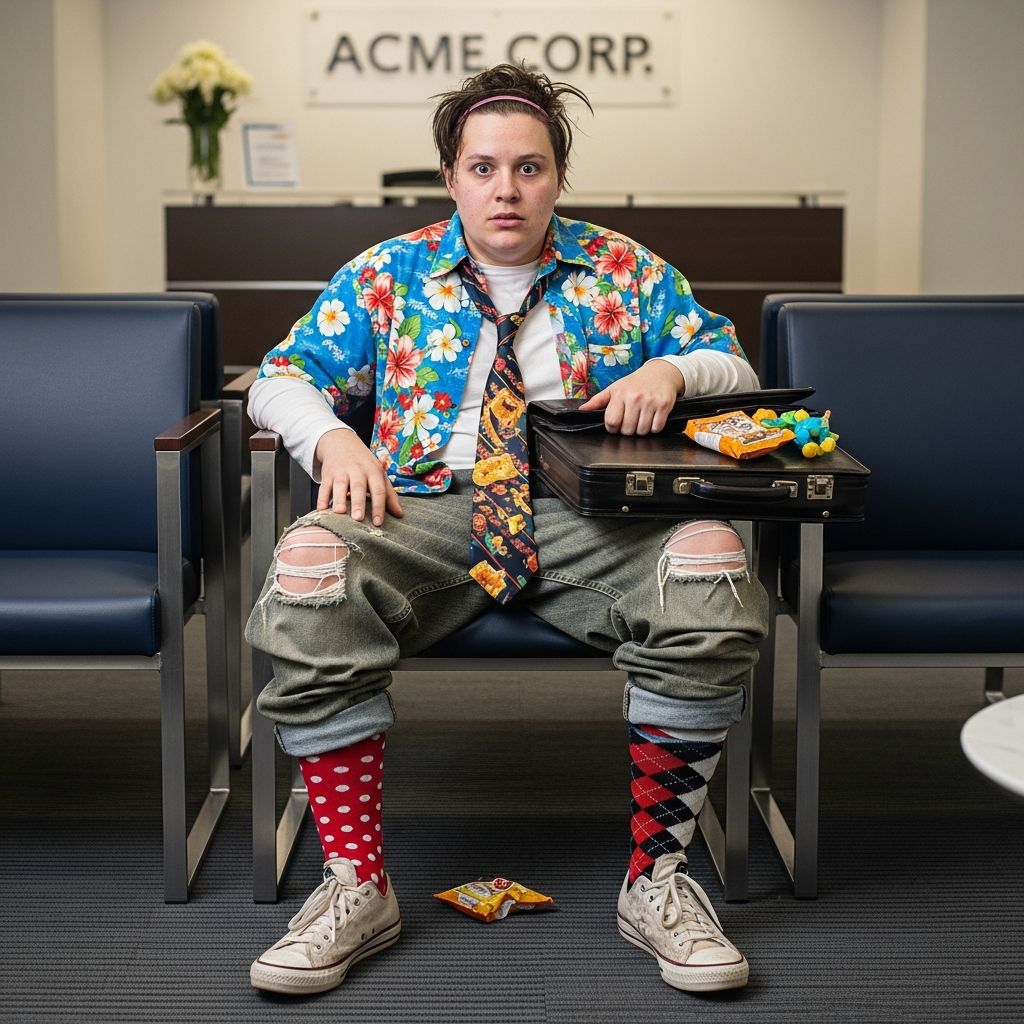
First impressions matter immensely in job interviews, where your attire can speak volumes before you utter a word. Choosing the wrong outfit risks signaling carelessness or mismatch with company culture, potentially overshadowing your skills and experience. This comprehensive guide outlines key wardrobe pitfalls to dodge, drawing from university career centers and expert advice, to help you project competence and respect.
Understanding Dress Code Basics Across Industries
Every workplace has an unspoken dress code influenced by industry norms, company culture, and role level. Researching ahead via the company’s website or employee photos ensures alignment. For corporate environments, opt for conservative suits in neutral tones; creative fields allow more color but maintain professionalism. Casual settings still demand elevation beyond everyday wear.
Key principles include cleanliness, proper fit, and condition. Clothes must be wrinkle-free, hole-free, and free of stains or pet hair. Fit matters: avoid items too tight, baggy, or revealing, as they distract from your qualifications.
Top Attire Mistakes That Signal Unprofessionalism
Certain clothing choices universally undermine credibility. Here’s what to steer clear of:
- Denim and Casual Fabrics: Jeans, even dark washes, rarely suit interviews unless explicitly casual. They evoke weekend vibes over professional readiness.
- Athletic Wear: Sweatpants, leggings, hoodies, or gym clothes suggest laziness. Reserve them for workouts.
- Revealing or Tight Garments: Low necklines, short skirts, or skin-tight pieces draw unwanted attention and imply impropriety.
- Wrinkled or Damaged Items: Folds, tears, or faded fabrics indicate poor preparation. Iron or steam outfits the night before.
- See-Through or Sheer Materials: Translucent blouses without proper underlayers risk embarrassment.
These errors persist across genders and roles, from entry-level to executive positions. A Temple University career guide emphasizes neat, fitted clothing free of defects to align with expectations.
Footwear Faux Pas and Alternatives
Shoes complete your look and endure scrutiny during walks to the interview room. Avoid:
- Sneakers or athletic shoes, which scream casual.
- Open-toed sandals or flip-flops, exposing toes unprofessionally.
- Worn-out or unpolished pairs with scuffs or cracks.
Instead, choose closed-toe options: loafers, oxfords, pumps, or low heels (under 4 inches for comfort). Match belt colors to shoes for cohesion. Polished leather in black, navy, or brown complements most suits.
| Category | Avoid | Choose Instead |
|---|---|---|
| Men’s | Sneakers, sandals | Polished oxfords, loafers |
| Women’s | Flip-flops, strappy heels | Closed-toe pumps, flats |
| Both | Dirty or mismatched | Shined, color-coordinated |
This table summarizes safe swaps, backed by University of North Texas guidelines for conservative, clean footwear.
Accessories and Grooming Oversights
Overlooking details like jewelry or hygiene can undo a solid outfit. Steer clear of:
- Excessive or Noisy Jewelry: Dangling earrings, stacks of bangles, or large hoops clink distractingly. Limit to studs, a watch, and one ring.
- Visible Piercings and Tattoos: Unless company policy allows, cover non-ear piercings and tattoos to avoid bias.
- Strong Scents: Heavy perfumes, colognes, or body sprays overwhelm in close quarters. Opt for unscented or light application.
- Backpacks or Bulky Bags: They appear student-like; use a slim briefcase or portfolio.
Grooming extends to hair (neat, tied back if long), nails (clean, trimmed), and minimal makeup. No gum, candy, or visible bulges from pockets.
Tailoring Outfits to Workplace Types
Not all interviews demand suits. Match the environment:
Corporate or Business Formal
Dark suits (navy, charcoal, black), crisp white shirts, ties for men, knee-length skirts or pantsuits for women. Closed-toe shoes, minimal accessories.
Business Casual
Button-downs, slacks, blazers optional. Khakis or dresses work; avoid ties unless specified.
Creative or Casual
Patterned shirts, dark jeans (rarely), loafers. Add personality via subtle colors but skip shorts or sundresses.
Montana State University Billings advises checking “About Us” pages for clues and preparing outfits seasonally.
Preparation Checklist for Interview Day
Avoid last-minute panics with this routine:
- Lay out clothes the night before; check for wrinkles, fit, and cleanliness.
- Try on the full ensemble, including shoes and accessories.
- Steam or iron as needed; lint-roll for pet hair.
- Groom: shower, style hair, trim nails, subtle makeup.
- Pack a portfolio; arrive 15 minutes early to compose yourself.
Indeed.com stresses climate-appropriate choices, like breathable fabrics in summer.
Gender-Neutral Do’s and Don’ts
Modern advice transcends gender lines:
- Do: Conservative suits, long-sleeved shirts, polished shoes, light accessories.
- Don’t: Tight fits, logos/graphics, strong fragrances, casual fabrics.
Virginia Tech recommends timeless, brand-aligned pieces that fit properly.
Frequently Asked Questions (FAQs)
What if I’m unsure about the dress code?
Research the company online, call HR, or observe employee photos. Err conservative.
Can I wear jeans to an interview?
Only in ultra-casual settings like startups; pair with collared shirts and neat shoes.
Is business casual the same as casual?
No—business casual includes slacks and blazers; casual might allow jeans but elevates for interviews.
How do I handle tattoos or piercings?
Cover them unless the culture is relaxed; align with guidelines.
What about virtual interviews?
Dress fully professional top-to-bottom; solid backgrounds and good lighting complement.
Common Myths About Interview Attire
Myth: “Dress like you’d dress at work.” Reality: Overdress slightly to show respect.
Myth: “Fashion doesn’t matter if you’re qualified.” Reality: Attire influences 55% of first impressions per studies.
University of San Francisco Career Services urges conservative formality to convey respect.
Building Confidence Through Smart Dressing
The right outfit boosts self-assurance, letting qualifications shine. Practice full looks, seek feedback from mentors, and remember: consistency in grooming reinforces reliability.
In summary, sidestep casual, damaged, or flashy elements for a poised presence. Tailor to the role while prioritizing cleanliness and fit for enduring impact.
References
- Interview and Workplace Attire — Temple University Career Center. Accessed 2026. https://careercenter.temple.edu/students/fly/interview-and-workplace-attire
- How to Dress for Every Type of Job Interview 2023 — Montana State University Billings Career Services. 2023. https://www.msubillings.edu/careers/pdf/How%20to%20Dress%20for%20Every%20Type%20of%20Job%20Interview%202023.pdf
- How To Dress for a Job Interview — Indeed.com Career Advice. Accessed 2026. https://www.indeed.com/career-advice/interviewing/how-to-dress-for-a-job-interview
- Dressing for an Interview — University of North Texas Career Center. Accessed 2026. https://careercenter.unt.edu/resources/dressing-for-an-interview/
- Dress For Success — University of San Francisco Career Services. Accessed 2026. https://myusf.usfca.edu/career-services/career-resources/interviews-offers/interviews/dress-for-success
- Dress for Success: Unlocking Professional Dress Codes — Virginia Tech Career Services. Accessed 2026. https://career.vt.edu/resources/professional-dress-codes/

Medha Deb is an editor with a master's degree in Applied Linguistics from the University of Hyderabad. She believes that her qualification has helped her develop a deep understanding of language and its application in various contexts. Medha specializes in the areas of beauty, health, sports, and wellness and is committed to ensuring that the content on the website is…