
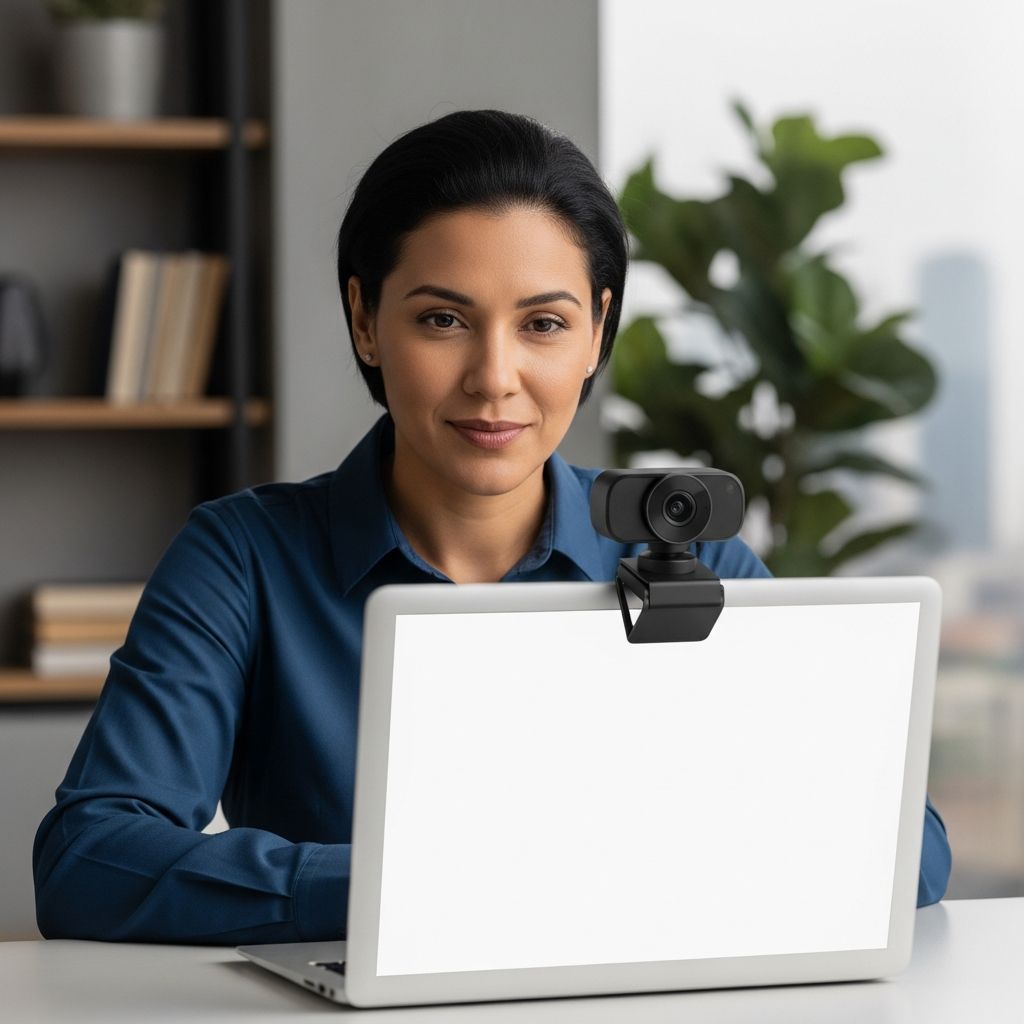
Understanding the Pre-Recorded Video Interview Format
The pre-recorded video interview has become a standard screening tool in modern recruitment processes. Unlike traditional face-to-face interviews or live video calls, pre-recorded formats present unique challenges and opportunities for job candidates. In this format, you receive predetermined questions and must record your responses within specified time limits, often with limited retake opportunities. The employer reviews these recordings at their convenience, making it crucial to deliver polished, well-crafted responses that showcase your qualifications and personality effectively.
Understanding this format’s mechanics is the first step toward success. Many candidates find pre-recorded interviews intimidating because they lack the dynamic interaction of a live conversation. However, this format actually provides significant advantages if approached strategically. You have time to prepare thoroughly, consider your answers carefully, and present yourself without the pressure of real-time interaction.
Comprehensive Preparation: Building Your Foundation
Success in pre-recorded interviews begins long before the camera starts rolling. Thorough preparation encompasses research, self-assessment, and strategic planning. Start by deeply understanding the position you’re applying for, including the key responsibilities, required qualifications, and desired competencies. Review the job description multiple times, noting specific skills and experiences the employer emphasizes.
Equally important is understanding the organization itself. Research the company’s mission, values, recent achievements, and culture. This knowledge allows you to tailor your responses to align with organizational priorities and demonstrate genuine interest in the role. Additionally, prepare a comprehensive inventory of your professional experiences, accomplishments, and transferable skills that directly relate to the position.
Create a preparation document that maps your experience to job requirements. This strategic alignment ensures that regardless of the questions asked, you can weave relevant examples and evidence of your capabilities throughout your responses.
Technical Setup and Environment Optimization
Your physical environment and technical infrastructure significantly impact interview quality. Select a quiet, well-lit location that presents a professional background. Natural lighting near a window works well, but if unavailable, invest in a simple desk lamp that illuminates your face without creating harsh shadows. Ensure your background is clean, uncluttered, and ideally neutral in color.
Test all technical components thoroughly before beginning:
- Camera resolution and positioning—ensure it’s at eye level
- Microphone quality and audio levels
- Internet connection speed and stability
- Video recording software or platform functionality
- Speaker output to catch any audio issues
Close unnecessary applications and browser tabs that might slow your internet connection or cause interruptions. Silence your phone and notify household members that you’ll be recording to minimize background noise. Use headphones if background noise cannot be completely eliminated, as they help you hear yourself clearly and ensure the microphone captures only your voice.
Mastering Your Physical Presentation
How you present yourself on camera significantly influences how recruiters perceive your professionalism and engagement. Dress in business-appropriate attire matching the company’s culture—business formal for traditional industries, business casual for modern tech companies. Remember that even though only your upper body may appear on camera, dressing completely professionally puts you in the right mental state.
Your body language communicates confidence and interest far more powerfully than words alone. Sit upright with your shoulders back, positioned about an arm’s length from the camera. Avoid slouching, swaying, or excessive movement that distracts from your message. Keep your hands visible and use natural gestures to emphasize points, but maintain control to avoid fidgeting or nervous movements.
Direct eye contact with the camera is essential. Rather than looking at your own image on screen, imagine speaking directly to the hiring manager. Position yourself so your eyes naturally align with the camera lens. This simple adjustment makes a dramatic difference in how engaged and present you appear. Maintain a pleasant facial expression, smile naturally when appropriate, and let your enthusiasm show through your expression and tone of voice.
Crafting Compelling Responses
Pre-recorded interviews require strategically structured answers that are comprehensive yet concise. Unlike live interviews where you can respond to follow-up questions, pre-recorded formats demand self-contained responses that address the question fully within the time constraint.
Write out your answers when preparing, even though you shouldn’t read directly from a script during recording. Writing forces you to organize your thoughts logically and ensures you cover all relevant points. Structure each response using the STAR method (Situation, Task, Action, Result) when answering behavioral questions, or follow a problem-solution-benefit framework for situational questions.
Your responses should be natural and conversational rather than robotic or overly rehearsed. The goal is to internalize your talking points so thoroughly that they flow naturally during recording. This requires practice—read your scripted answers aloud repeatedly until they become second nature. You’re aiming for a balance between preparedness and authenticity.
Practice Strategies That Drive Results
Deliberate practice is non-negotiable for video interview success. Begin by recording yourself answering practice questions using your actual interview setup. Review these recordings critically, paying attention to:
- Speech clarity and pacing—avoid mumbling, rushing, or speaking too slowly
- Vocal tone variation—monotone delivery undermines engagement
- Filler words and verbal tics like “um,” “like,” or “you know”
- Body language consistency with your message
- Overall presentation and professionalism
Watching yourself on camera feels uncomfortable initially, but this discomfort is precisely why it’s valuable. Self-awareness developed through video review directly translates to improved performance. Note specific areas needing improvement—perhaps you speak too quickly when nervous, or you avoid eye contact—then practice targeted corrections.
Supplement solo practice with peer feedback. Ask trusted colleagues, mentors, or friends to review your practice recordings and provide honest assessment. External perspectives catch habits you might miss and offer valuable insights into how others perceive your responses. Consider conducting mock interviews where someone asks you questions and you practice responding naturally without notes.
Handling Platform-Specific Requirements
Different interview platforms have distinct features, requirements, and quirks. Before your interview, familiarize yourself completely with the platform you’ll use. Some platforms offer practice sessions or tutorial videos—take full advantage of these resources. Understanding the interface prevents technical fumbling during your actual interview.
Review platform-specific details including:
- How many retakes you’re allowed per question
- Time limits for responses and overall interview
- Submission deadlines and procedures
- Audio and video quality requirements
- Technical troubleshooting resources available
Read all instructions with meticulous attention. Following directions carefully demonstrates professionalism and your ability to work thoroughly. If platform features aren’t clear, contact the employer’s HR department for clarification rather than proceeding with uncertainty.
The Day of Your Interview: Final Preparations
The day you record your interview requires intentional preparation beyond technical logistics. Get adequate sleep the night before—fatigue affects your energy, focus, and presentation quality. Eat a nutritious meal beforehand to fuel your brain and stabilize your energy levels. Avoid heavy meals that might make you feel sluggish or caffeine overload that creates jitteriness.Before recording begins, spend 10-15 minutes in a calm state. Use deep breathing exercises to manage interview nerves and center yourself mentally. Review your preparation notes one final time, refreshing key points you want to emphasize. This focused preparation period transitions your mind from daily tasks to interview mode, enhancing mental clarity and confidence.
Keep your resume, job description, and preparation notes within view during the interview. Glancing at these reference materials is perfectly acceptable in pre-recorded formats—you’re not being judged on memorization but on thoughtful, relevant responses. However, resist the urge to read directly from notes; use them only as reference points to jog your memory.
Delivery Techniques for Maximum Impact
Your actual recording performance should reflect your preparation while maintaining authenticity. Speak at a moderate pace that allows clear articulation and easy comprehension. Too-rapid speech suggests nervousness and makes comprehension difficult; too-slow speech comes across as uncertain or condescending. Vary your vocal tone and pace throughout your response to maintain listener engagement.
Emphasize key accomplishments and skills by slightly raising your vocal emphasis on important terms. This vocal modulation makes your response more dynamic and helps hiring managers identify your most valuable contributions. Use strategic pauses after important points, allowing emphasis and giving your interviewer time to absorb your message.
When discussing accomplishments, be specific and quantifiable whenever possible. Rather than stating “I improved sales,” say “I increased quarterly sales by 23% through implementing a new customer outreach strategy.” Specific metrics are memorable and provide concrete evidence of your value.
Handling Technical Challenges and Retakes
Technical issues occasionally occur despite thorough preparation. If you experience audio problems, video glitches, or other technical difficulties mid-response, stop recording, identify and resolve the issue, and restart. Most platforms allow multiple retakes specifically for this purpose. Use the option strategically—if you stumble on words or lose your train of thought, stop and restart to deliver a polished response.
However, don’t obsess over perfection. Three or four clean takes that capture your authentic personality are superior to endless retakes attempting to achieve flawless delivery. Hiring managers understand that pre-recorded interviews don’t require Hollywood-level production quality; they seek genuine, competent professionals.
Frequently Asked Questions
Q: Should I memorize my responses word-for-word?
A: No. Memorizing creates robotic, inauthentic delivery. Instead, internalize your key points and talking angles so you can discuss them naturally. Write out answers during preparation to organize thoughts, then practice until you know the material well enough to discuss it conversationally.
Q: What if I don’t receive questions in advance?
A: Prepare for common interview questions covering your background, motivations, strengths, weaknesses, and relevant experiences. Research the company thoroughly and anticipate questions likely to arise given the position’s requirements. This preparation enables confident, relevant responses regardless of specific questions asked.
Q: How can I appear more confident on camera?
A: Confidence develops through thorough preparation and practice. Direct eye contact with the camera, upright posture, clear speech, and purposeful gestures all project confidence. Practice extensively until your material feels second nature, eliminating the anxiety that undermines confidence.
Q: Is it acceptable to use notes during recording?
A: Yes, referencing notes during pre-recorded interviews is acceptable and common. Keep notes within your field of vision but don’t read directly from them continuously. Use them as reference points to ensure you cover key information while maintaining natural, conversational delivery.
Q: How should I structure behavioral interview answers?
A: Use the STAR method: Situation (context), Task (your responsibility), Action (what you did), Result (the outcome). This structure ensures your response is comprehensive and clearly demonstrates how you handled challenges. Include specific metrics and accomplishments when possible.
Q: What should I do if I make a mistake during recording?
A: Simply stop, take a breath, and restart. Use your allotted retakes to capture clean responses. If you only have one attempt, minor mistakes are acceptable—stop briefly, refocus, and continue naturally rather than stopping and restarting entirely.
Q: How long should my responses be?
A: Follow platform time limits precisely. If no specific limit exists, aim for 60-90 seconds per response. This duration allows comprehensive coverage of your point without excessive length that tests viewer patience. Concise, focused responses demonstrate communication skills and respect for the interviewer’s time.
References
- Expert Video Interview Tips to Impress Recruiters — TargetJobs. 2025. https://targetjobs.co.uk/careers-advice/interviews-and-assessment-centres/expert-video-interview-tips-impress-recruiters
- 12 Tips for One-Way or Recorded Video Interview Success — Job-Hunt. 2025. https://www.job-hunt.org/handling-one-way-video-interviews/
- Video Interview Guide: Tips for a Successful Job Interview — Indeed Career Advice. 2025. https://www.indeed.com/career-advice/interviewing/video-interview-guide
- Video Interview Tips: Guide to Acing Your Job Interview — VidCruiter. 2025. https://vidcruiter.com/video-interviewing/how-to-ace-your-interview/
- How to Pass a Pre-Recorded Video Interview? — Working Career. 2025. https://www.workingcareer.co.uk/career-resources/pre-recorded-interviews

- Integrated M.A. in Applied Linguistics, University of Hyderabad
- 5+ years in editorial, instructional, SEO, and research-based writing
Sneha is a relationships and lifestyle writer with a strong foundation in applied linguistics and certified training in relationship coaching. She brings over five years of writing experience to theskillvault, crafting thoughtful, research-driven content that empowers readers to build healthier relationships, boost emotional well-being, and embrace holistic living. Her writing and insights reflect the belief that beauty, happiness, and wellness…