
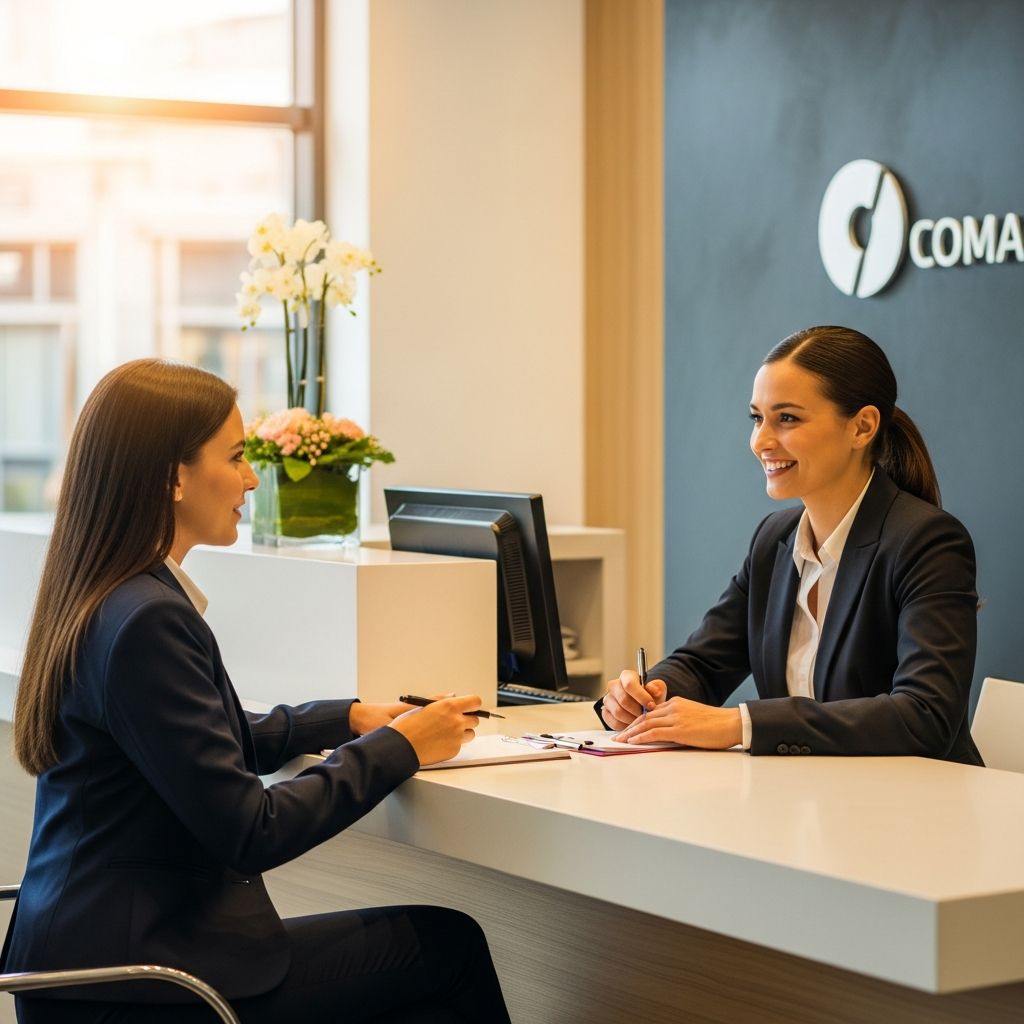
Navigating the Reception Role Interview: A Comprehensive Preparation Strategy
The receptionist position represents a critical entry point in many organizations, serving as the frontline interface between a company and its clients. Employers recognize that the individual in this role significantly influences first impressions and client satisfaction. Consequently, interviews for reception positions are structured to assess not only technical competencies but also interpersonal qualities and professional resilience. Understanding what hiring managers seek and preparing thoughtful responses can substantially improve your prospects of securing this position.
Understanding Your Background and Experience Narrative
When discussing your professional history, interviewers want to understand the scope of your previous responsibilities and the environments in which you’ve worked. Rather than listing duties mechanically, frame your experience to demonstrate how it has developed your capability to manage the demands of reception work. Consider the variety of tasks you’ve handled, the volume of interactions you’ve managed, and how you’ve grown professionally through each role.
When an interviewer asks about your previous experience, provide context about the organizational settings you’ve worked in. Describe whether you’ve managed high-traffic environments, supported multiple departments, or worked in specialized fields such as healthcare, law, finance, or corporate settings. This contextual information helps employers envision how your background aligns with their specific operational needs. If you’ve held related positions such as administrative assistant or customer service representative roles, emphasize how those experiences translate to reception responsibilities.
Articulating Your Core Responsibilities and Contributions
Interviewers frequently ask about your primary duties in previous roles. Use this opportunity to demonstrate familiarity with comprehensive reception functions. Modern reception involves far more than answering phones and greeting visitors—it encompasses scheduling coordination, data management, security protocols, and often specialized software operation.
Highlight your involvement in workflow management, appointment scheduling systems, and how you’ve contributed to operational efficiency. If you’ve implemented improvements to existing processes, designed more effective filing systems, or streamlined visitor management procedures, these achievements demonstrate initiative and business acumen. Quantify your contributions whenever possible, such as reducing scheduling errors, improving client satisfaction metrics, or accelerating check-in procedures.
Key Areas to Address in Your Professional Summary
- Volume of daily interactions and types of contacts managed
- Specific administrative systems and databases you’ve operated
- Communication channels you’ve coordinated (phone, email, in-person)
- Security and confidentiality procedures you’ve implemented
- Cross-functional support you’ve provided to various departments
- Process improvements or efficiency gains you’ve initiated
Assessing Your Interpersonal Capabilities and Client Interaction Style
Reception work fundamentally depends on your ability to interact positively with diverse individuals under varying circumstances. Employers assess whether you naturally gravitate toward client-facing work and whether you maintain professionalism and warmth consistently. When discussing your comfort with public interaction, avoid generic responses and instead provide specific examples of how you’ve created positive experiences.
Discuss how you approach individuals with different communication styles, whether you find satisfaction in resolving client concerns, and how you maintain enthusiasm during repetitive interactions. Receptionists encounter frustrated callers, demanding visitors, and routine inquiries with equal frequency, so demonstrating genuine interest in helping others rather than viewing interactions as obligations is crucial.
Consider how many individuals you interact with on an average workday and the nature of those interactions. Whether you’ve managed 20 daily contacts or 100, frame this experience to show comfort with your workplace’s typical interaction volume. If you’re transitioning from a different field, explain how your previous work has developed your communication skills and client-service mindset.
Demonstrating Technical Proficiency and Software Competence
Today’s reception environments depend heavily on technological systems. Modern receptionists must operate telephone systems with multiple lines, calendar applications, customer relationship management (CRM) platforms, spreadsheet software, and often industry-specific systems. Clearly articulate your technical skills and provide examples of how you’ve used specific applications to support organizational objectives.
Rather than simply listing software you’ve used, explain the context of your experience. Describe how you’ve used Microsoft Office applications to generate reports, maintain scheduling systems, or process administrative documentation. If you’ve worked with specialized reception software, CRM platforms, or industry-specific systems, emphasize your ability to learn new technologies quickly and your comfort troubleshooting basic technical issues.
Address your typing proficiency directly if the role requires data entry. Many reception positions involve significant documentation, data management, and correspondence tasks. Knowing your words-per-minute typing speed and your accuracy demonstrates self-awareness about a practical job requirement.
Addressing Workplace Stress Management and Resilience
Reception environments can become intense during peak periods. Simultaneously managing phone calls, greeting visitors, handling deliveries, and completing administrative tasks requires composure and effective prioritization. Employers want to understand how you maintain performance quality when workplace demands surge.
Discuss specific strategies you employ to manage stress, whether through task prioritization techniques, breathing exercises, brief breaks, or systematic approaches to handling competing demands. Provide concrete examples of demanding situations you’ve navigated successfully, explaining how you maintained professionalism and completed necessary work. Avoid suggesting that stress is entirely absent from your work experience; instead, frame stress as a manageable aspect of the role that you handle through established coping strategies.
Presenting Your Understanding of Confidentiality and Security Protocols
Receptionists frequently encounter confidential client information, privileged communications, and sensitive organizational data. Employers assess your understanding of privacy obligations and your commitment to protecting information. Discuss the security measures you’ve implemented in previous roles, such as visitor check-in procedures, badge systems, information access restrictions, and protocols for handling sensitive documents or communications.
Explain how you’ve managed situations where you encountered confidential information or faced pressure to share restricted details. Demonstrate your understanding that client privacy and organizational security represent non-negotiable professional responsibilities. If you’ve worked in regulated industries such as healthcare, law, or finance, highlight your familiarity with specific compliance requirements and security protocols.
Articulating Your Knowledge and Enthusiasm for the Organization
Employers expect candidates to research their organizations and understand basic information about services offered, company values, and organizational mission. Demonstrate that you’ve invested time in learning about the company rather than approaching the interview with generic preparation. Reference specific aspects of the organization’s work, recent developments, or company culture elements that appeal to you.
Connect your skills and work style to the organization’s needs. If the company emphasizes customer service excellence, explain how your approach aligns with that value. If they serve a particular industry or clientele, discuss how your background has prepared you to serve those specific populations effectively. This demonstrates genuine interest rather than pursuing simply any available position.
Evaluating Your Fit and Professional Aspirations
When asked why you’re pursuing this particular role, provide thoughtful responses that go beyond financial necessity. Discuss what attracts you to reception work—whether you value being the organizational face to clients, enjoy supporting colleagues, appreciate the variety of daily interactions, or see this position as a stepping stone in your career development. Employers prefer candidates who view the role as meaningful rather than temporary.
Address questions about schedule flexibility and availability candidly. Reception positions often require coverage during standard business hours and potentially beyond. If you can accommodate various schedules or extend hours when necessary, communicate this flexibility. Conversely, if you have legitimate scheduling constraints, address them directly rather than misrepresenting your availability.
Mastering Multitasking Narratives and Operational Scenarios
Receptionists constantly juggle multiple priorities. Prepare specific examples demonstrating your multitasking abilities and how you maintain organization under pressure. Describe situations where you’ve simultaneously managed phone inquiries, visitor check-ins, delivery coordination, and administrative responsibilities. Explain your specific approach—whether you use digital tools to manage priorities, maintain written task lists, or employ mental organization systems.
When discussing challenging scenarios such as handling angry callers or difficult visitors, emphasize your professional composure, active listening skills, and problem-solving approach. Explain how you remain calm, acknowledge the individual’s concerns, and work toward resolution or appropriate escalation. These narratives demonstrate maturity and professional judgment.
Core Competencies Expected in Reception Roles
| Competency Area | Practical Application | Interview Discussion Focus |
|---|---|---|
| Communication Skills | Phone, email, in-person interactions | Specific examples of managing diverse communication scenarios |
| Organization | Scheduling, task prioritization, information management | Systems and methods you use to maintain order |
| Technology Proficiency | Software operation, data entry, system navigation | Specific applications mastered and learning approach |
| Stress Resilience | Managing high-volume periods and competing demands | Coping strategies and examples of successful navigation |
| Professional Demeanor | Greeting, appearance, attitude consistency | Personal approach to representing organizations professionally |
| Discretion | Confidentiality maintenance, information security | Understanding of privacy obligations and security practices |
Questions to Ask Your Interviewer
Interviews represent mutual evaluation opportunities. Prepare thoughtful questions that demonstrate your interest in the role and organization. Ask about the reception team structure, daily workflow expectations, technology systems you’ll operate, and how success is measured in the position. These questions showcase your engagement and help you assess whether the role aligns with your professional goals.
Frequently Asked Questions
Q: How should I address gaps in my work history when discussing previous receptionist experience?
A: Address gaps directly and honestly. Explain the circumstances—whether you pursued education, managed personal matters, or took time away intentionally. Focus on skills you developed during gaps, such as volunteer work, freelance projects, or professional development, and emphasize your readiness to resume full-time work.
Q: What if I haven’t worked as a receptionist previously but have related administrative experience?
A: Emphasize how your administrative background translates to reception functions. Highlight your communication skills, organizational abilities, technology proficiency, and client-service focus. Many receptionist capabilities develop through various administrative roles, and your transferable skills demonstrate readiness for this specific position.
Q: How can I demonstrate that I understand the importance of confidentiality without sounding rehearsed?
A: Use genuine examples from your background that illustrate your commitment to privacy and security. Rather than generic statements about confidentiality, describe specific situations where you protected information, implemented security procedures, or declined to share restricted details. This concrete approach appears authentic and demonstrates practical understanding.
Q: What’s the best approach if I’m nervous about managing high-volume interaction environments?
A: Focus on your genuine comfort level honestly. If you thrive in moderate interaction volumes, seek positions at smaller organizations or those with distributed visitor management. If you’re developing this capability, discuss your learning approach and readiness to grow. Misrepresenting your comfort level leads to poor job fit.
Q: How should I discuss my technological abilities if I’m not particularly tech-savvy?
A: Emphasize your willingness to learn and your demonstrated ability to master new systems. Highlight technologies you’ve successfully learned, your approach to troubleshooting basic issues, and your comfort asking questions. Many organizations provide technology training, and employers appreciate candidates who acknowledge gaps while showing genuine commitment to development.
References
- 35 Common Receptionist Interview Questions — Indeed.com. 2024. https://www.indeed.com/career-advice/interviewing/receptionist-interview-questions
- Receptionist Interview Questions and Answers — Workable Resources. 2024. https://resources.workable.com/receptionist-interview-questions
- Common Receptionist Interview Questions + Example Answers — Monster.com Career Advice. 2024. https://www.monster.com/career-advice/article/interview-questions-receptionist-job
- Common Receptionist Interview Questions — My Interview Practice. 2024. https://myinterviewpractice.com/industries-details/administration/receptionist-interview-preparation/
- 50 Interview Questions For Receptionists (With Answers) — Huntr. 2024. https://huntr.co/interview-questions/receptionist

- Integrated M.A. in Applied Linguistics, University of Hyderabad
- 5+ years in editorial, instructional, SEO, and research-based writing
Sneha is a relationships and lifestyle writer with a strong foundation in applied linguistics and certified training in relationship coaching. She brings over five years of writing experience to theskillvault, crafting thoughtful, research-driven content that empowers readers to build healthier relationships, boost emotional well-being, and embrace holistic living. Her writing and insights reflect the belief that beauty, happiness, and wellness…