
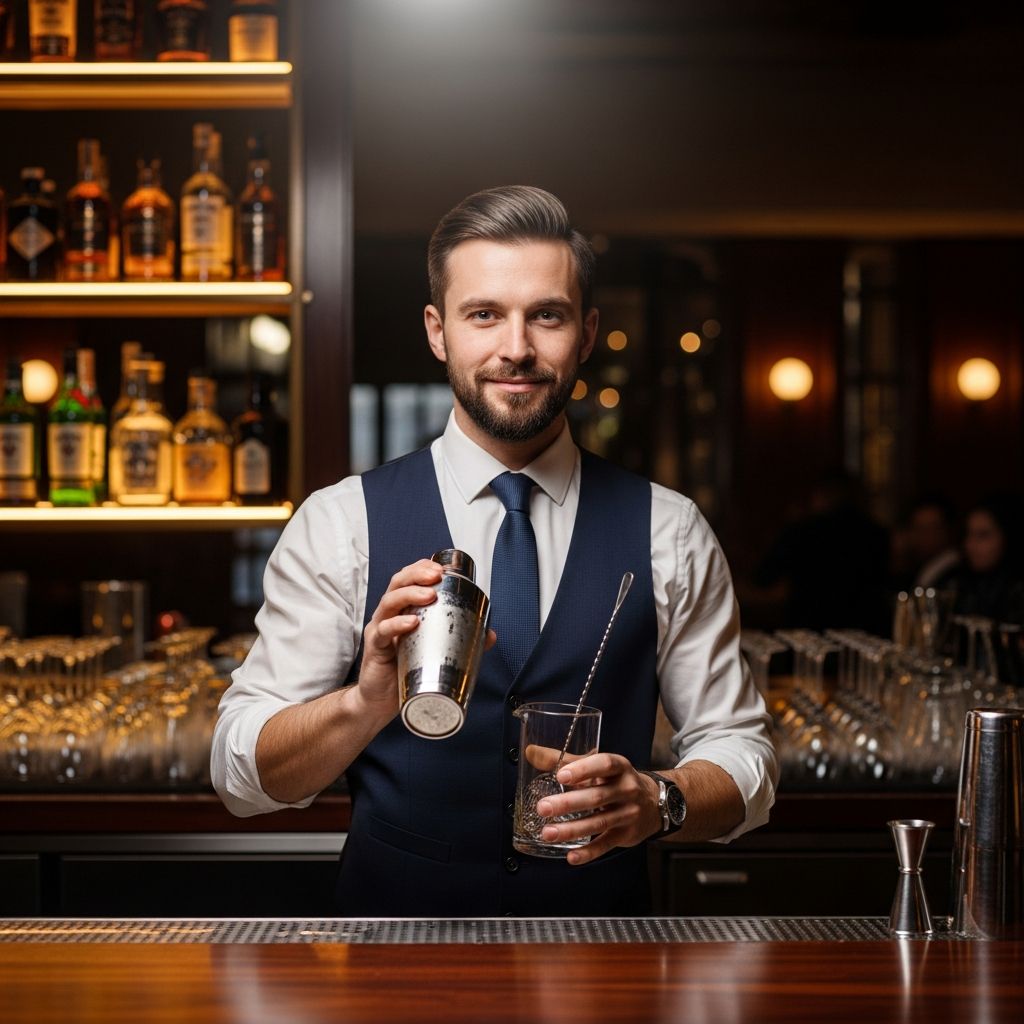
Bartending demands a unique blend of technical prowess, people skills, and resilience under pressure. As the hospitality industry evolves, employers seek candidates who can craft flawless drinks while fostering a welcoming vibe and upholding safety standards. This guide equips aspiring bartenders with insights into typical interview questions, drawing from industry best practices to help you stand out. Whether you’re entry-level or seasoned, understanding these queries prepares you to showcase your fit for dynamic bar environments.
Essential Qualities Employers Seek in Bartenders
Before diving into questions, recognize what hiring managers prioritize. Top traits include quick thinking, memorizing orders, responsible alcohol service, and creating positive guest experiences. Certifications like TIPS or ServSafe Alcohol demonstrate commitment to safety, often a must-have. Experience with POS systems, inventory control, and high-volume service further strengthens your profile. Employers value those who thrive in late-night shifts, holidays, and multicultural settings, balancing efficiency with genuine hospitality.
- Customer Focus: Building rapport through personalized service and active listening.
- Technical Skills: Mastery of classic and trendy cocktails, precise measuring, and garnishing.
- Operational Smarts: Multitasking during rushes, waste reduction, and team collaboration.
- Professionalism: Handling intoxicated patrons, conflicts, and feedback gracefully.
General Interview Questions and How to Respond
These openers gauge your motivation and personality. Aim for enthusiastic, concise answers tying your background to the role.
Tell Us About Yourself and Your Bartending Journey
Highlight relevant experience without rambling. Structure as past roles, key skills, and future enthusiasm. Example: “I’ve spent three years behind the bar at a bustling downtown lounge, honing mixology and serving diverse crowds. My passion for crafting drinks that spark joy drives me, and I’m excited to bring that energy here.”
Why Bartending, and Why This Venue?
Show research on the establishment. Link personal interests to their style—craft cocktails, sports bar, or nightclub. Example: “I love the creative freedom in mixology and connecting with people. Your venue’s innovative menu and lively atmosphere align perfectly with my experience in high-energy spots.”
What Strengths Make You Excel as a Bartender?
Pick 3-4 traits with examples. Example: “My strengths are speed under pressure—I once handled 50 orders in an hour—eager customer engagement, and meticulous cleanliness, ensuring every station gleams.”
Skills-Focused Questions to Test Your Expertise
Employers probe your hands-on abilities. Demonstrate knowledge confidently, offering to demo if possible.
| Question | Key Focus | Sample Response Strategy |
|---|---|---|
| What classic cocktails must every bartender master? | Core repertoire | List 5-7 essentials like Martini, Margarita, Old Fashioned, Mojito, Negroni; explain variations. |
| Walk us through making a specific drink, like a Margarita. | Precision and process | Detail steps: rim glass, shake ingredients (2oz tequila, 1oz lime, 0.5oz triple sec), strain, garnish. |
| How do you ensure consistent pours without a jigger? | Free pouring accuracy | “I count beats (e.g., 4 for 2oz) and calibrate via practice; always verify totals to avoid waste.” |
| Describe your garnishing techniques. | Presentation appeal | “Flame orange twists for oils, skewer fresh fruits; match garnish to drink profile for visual pop.” |
Beyond drinks, discuss tools: shakers, strainers, muddlers, bar spoons. Emphasize hygiene and maintenance for safety compliance.
Situational Scenarios: Handling Real Bar Challenges
Behavioral questions reveal problem-solving. Use STAR method: Situation, Task, Action, Result.
Managing a Busy Rush with Multiple Orders
Example: “During a 100-guest event, I prioritized simple drinks first, batched similar prep (e.g., multiple gins), and communicated with servers. Result: Zero delays, happy tables.”
Dealing with Over-Served or Disruptive Patrons
Safety first—know local laws. Example: “I’d offer water, food, and slow service; if needed, involve security politely: ‘I care about your night—let’s switch to water.’ Cut off firmly if required, documenting for management.”
Upselling Without Being Pushy
Example: “I suggest pairings naturally: ‘This IPA complements our wings perfectly—shall I grab one?’ It boosts checks by 20% in my shifts while enhancing experiences.”
Resolving Customer Complaints or Drink Remakes
Example: “Listen empathetically, remake swiftly, comp if appropriate. Once, a salty rim mix-up led to a free upgrade, turning frustration into a loyal regular.”
Teamwork, Operations, and Professional Growth
Bars run on collaboration. Highlight adaptability.
- Coworker Conflicts: “Address privately, focus on solutions—like dividing stations during peaks.”
- Slow Nights: “Polish glassware, restock, prep garnishes, or engage regulars in tastings.”
- Inventory and Waste: “Daily counts, FIFO method, portion control to cut spoilage by 15%.”
- Trends and Learning: “Follow mixology podcasts, Instagram pros, experiment at home with seasonal ingredients.”
Preparing for Your Interview Success
Dress sharp—black button-up, slacks. Arrive early, exude energy. Bring resume, certifications. Practice aloud, research the bar’s menu. Post-interview, send thank-you notes. Mock interviews build confidence.
For entry-level: Emphasize transferable skills from serving or hosting. Seasoned pros: Quantify impacts (e.g., “Increased tips 25% via specials”).
Frequently Asked Questions (FAQs)
What certifications boost a bartender resume?
TIPS, ServSafe Alcohol, or state-specific responsible beverage service training prove safety knowledge and are often required.
How do you handle fake IDs?
Check closely, refuse politely if suspicious, alert management—protect the establishment legally.
Best way to memorize drink recipes?
Flashcards, daily practice, group recipes by base spirit for quick recall.
Energy tips for long shifts?
Hydrate, eat balanced pre-shift, short breaks for stretches, positive mindset.
Common mistakes to avoid?
Overpouring, ignoring hygiene, neglecting team—prioritize balance.
Final Tips for Landing the Bartender Role
Authenticity wins. Passion for hospitality shines brighter than perfection. Tailor answers to the venue’s vibe—craft-focused? Highlight innovation. Volume bar? Stress speed. With preparation, you’ll pour success into your career. Bars need reliable talent; position yourself as indispensable.
References
- Bartender Interview Questions and Answers — Workable Recruiting Resources. 2023-05-15. https://resources.workable.com/bartender-interview-questions
- 30 Bartender Interview Questions (With Example Answers) — Zippia. 2024-02-10. https://www.zippia.com/bartender-jobs/interview-questions/
- Bartending Interview Questions and How To Answer — Indeed Career Advice. 2025-01-05. https://www.indeed.com/career-advice/interviewing/bartending-interview-tips
- 32 Bartender Interview Questions — TestGorilla. 2024-08-20. https://www.testgorilla.com/blog/bartender-interview-questions/
- 50+ Bartender Interview Questions (With Answer Examples) — UpMenu Blog. 2024-11-12. https://www.upmenu.com/blog/bartender-interview-questions/

Medha Deb is an editor with a master's degree in Applied Linguistics from the University of Hyderabad. She believes that her qualification has helped her develop a deep understanding of language and its application in various contexts. Medha specializes in the areas of beauty, health, sports, and wellness and is committed to ensuring that the content on the website is…