
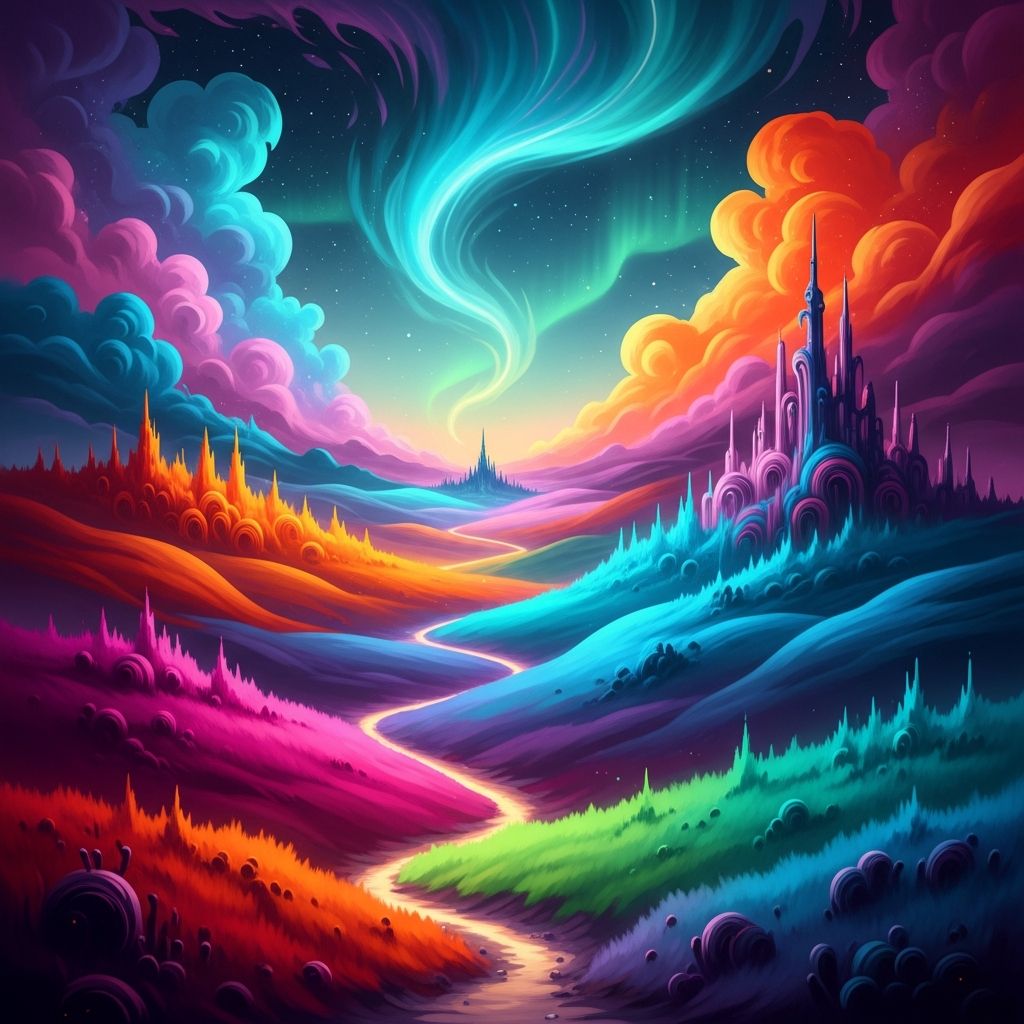
Photography transcends the boundaries of mere documentation when it transforms everyday scenes into extraordinary visual experiences. By strategically deploying color, composition, and imaginative post-production techniques, photographers can construct immersive fantasy environments that captivate viewers and transport them to otherworldly realms. This approach to image-making combines technical skill with artistic vision, enabling creators to manifest their imaginative concepts through the lens.
Understanding the Foundation of Fantastical Visual Creation
Fantasy photography represents a distinct genre that prioritizes artistic expression over photographic realism. Exaggerated colors, fantastical themes, elaborate costumes or props, and post-production editing form the cornerstone of this creative discipline. Unlike traditional photography that aims to capture reality as it exists, fantasy photography deliberately manipulates visual elements to create alternate realities that exist only within the frame.
The foundation of creating believable fantasy worlds rests upon understanding how different visual components interact. The photographer must consider not only what appears in front of the camera but also how each element will contribute to the overall narrative and emotional resonance of the final image. This holistic approach requires planning beyond the moment of capture.
Strategic Planning and Conceptual Development
Before pressing the camera shutter, successful fantasy photographers invest considerable time in conceptual planning. Planning ideas involves considering the details of the setting, props, costumes, makeup, and special effects. Creating a clear idea sketch or outline provides a visual roadmap that helps realize the envisioned concept with greater precision.
This planning phase extends beyond aesthetic considerations to encompass practical logistics. Photographers must evaluate location accessibility, weather conditions, model availability, and equipment requirements. A well-structured plan prevents costly mistakes during the shoot and ensures that creative intentions translate effectively into captured images.
The conceptual stage also involves researching visual references and mood boards. Collecting inspiration from diverse sources—films, paintings, literature, and other photographs—helps establish a cohesive visual language for the project. This research phase ensures that individual design choices collectively reinforce the fantasy narrative rather than creating visual discord.
Mastering Color as a Narrative Tool
Color functions as one of the most powerful storytelling elements in fantasy photography. Unlike neutral tones that convey objectivity, saturated and unconventional color palettes immediately signal to viewers that they are entering a fictional realm. Color grading enhances the mood of fantasy photographs by adjusting colors to create a sense of otherworldliness by pushing tones to cooler or warmer extremes.
Warm tones—oranges, reds, and golden yellows—evoke feelings of warmth, magic, and comfort, making them ideal for depicting enchanted forests or mystical sunsets. Conversely, cool tones—blues, purples, and silvers—suggest mystery, coldness, and otherworldliness, perfect for depicting moonlit scenes or supernatural environments. Many fantasy photographers combine both warm and cool tones within single images to create visual tension and depth.
White balance adjustments dramatically change the mood of fantasy photographs. Adjusting white balance can suggest a magical sunset or fiery landscape through warmer tones, while cooler tones evoke moonlight or mystical, frosty environments. This technical control over color temperature allows photographers to manipulate emotional responses at the fundamental level.
Color Psychology in Fantasy Contexts
- Red and orange tones: Energy, passion, magic, danger
- Blue and purple tones: Mystery, fantasy, calm, otherworldliness
- Green tones: Nature, growth, enchantment, renewal
- Gold and yellow tones: Treasure, divinity, warmth, wonder
- Silver and white tones: Purity, ethereal quality, magic, celestial themes
Composition Techniques for Immersive Storytelling
Thoughtful composition significantly elevates the narrative and visual appeal of fantasy photographs. Rather than placing subjects arbitrarily, intentional framing guides viewers through the image and emphasizes storytelling elements. The rule of thirds positions subjects off-center for a more dynamic and visually interesting composition, creating natural focal points that draw attention while maintaining visual balance.
Leading lines—whether natural or artificial such as roads, paths, streams, or rays of light—guide the viewer’s eye toward a focal point. In fantasy photography, these lines can suggest pathways through magical forests, streams flowing through enchanted valleys, or light beams piercing mystical atmospheres.
Depth of field manipulation isolates subjects from the background, enhancing the dreamlike quality of fantasy photographs. A shallow depth of field created with a wide aperture produces a blurred background effect that isolates the subject, while a large depth of field created with a narrow aperture keeps entire scenes in focus, useful when the entire environment contributes to the fantasy narrative.
Reflective surfaces like water or mirrors achieve symmetry, and patterns can occur naturally or be arranged in scenes. These compositional elements add layers of visual interest and reinforce fantastical atmospheres through repetition and balance.
Lighting Strategies for Magical Atmospheres
Lighting functions as a fundamental pillar in fantasy photography, capable of transforming ordinary scenes into something genuinely magical. A combination of natural and artificial light often works best, with golden hour—the hour after sunrise or before sunset—providing soft, warm light that creates an ethereal effect.
Playing with depth of field through aperture control creates a sense of mystique or focuses the viewer’s attention, with wide apertures blurring background and foreground to highlight the subject, while narrow apertures keep more elements in focus. This technical control over light distribution shapes how viewers perceive spatial relationships within fantasy scenes.
Prolonged shutter speeds bring a dream-like quality to moving elements like water or wind-blown fabric, imbuing images with a fantasy feel. This technique introduces motion blur that suggests movement, transformation, or ethereal qualities that enhance fantastical narratives.
Lighting Equipment Recommendations
Creating magical images does not require expensive equipment. A softbox or reflector helps diffuse light and soften shadows, enhancing the ethereal quality of shots. These tools work with both natural and artificial light sources to achieve desired atmospheric effects.
Manual focus provides the fantasy photographer with greater control over image focus points, a valuable tool in creating particular moods or drawing attention to specific elements in the frame.
Costume and Props: Building Visual Coherence
Coordinating clothing and props is important when shooting fantasy photography, helping to emphasize and transform simple locations into something amazing. Props can be anything that adds to the portrait being created, limited only by imagination in terms of use and selection.
Costumes communicate the fantasy world’s visual language immediately. Whether creating classical, futuristic, surreal, or entirely original themes, the costume should be in keeping with the chosen theme, and the model’s expressions and movements should interpret the story or emotion being expressed.
Props serve multiple functions beyond mere decoration. They establish context, reinforce thematic elements, and provide visual anchors that help viewers understand the fictional world’s internal logic. A butterfly headband, elaborate jewelry, or fantastical weapons all signal genre and narrative intent to observers.
Practical Execution During Photography Sessions
Effective execution during the actual photography session bridges the gap between planning and final results. Ensuring that the model poses in a way that aligns with the original concept makes editing easier, while proper lighting of the model helps remove unwanted shadows in post-production. Additionally, using a tripod reduces blurriness.
Taking shots in RAW format ensures more color information and data, making it easier to edit photos in post-production and manipulate objects to the best of creative ability. This technical choice provides photographers with maximum flexibility during the editing phase.
For complex fantasy scenes requiring multiple elements, shooting characters separately and then compositing and blending them together later in Photoshop allows photographers to build larger images from multiple photos with better pixel density than squeezing everything into a single shot.
Post-Production Techniques for Surreal Effects
Post-production represents where fantasy photography truly comes alive. Digital editing tools enable photographers to add, remove, and transform elements that create the final fantasy narrative. Photoshop allows adding extra elements such as trees, wings, and fog, while also changing colors and creating more surreal appearances.
Layer blending uses Photoshop’s layer blending modes to combine different images or create complex effects, adding an extra layer of surrealism to fantasy photos. This technique enables seamless integration of separately captured elements into cohesive scenes.
Texture overlays give photos a dreamlike appearance through anything from bokeh effects to light leaks or foggy effects. These overlays introduce visual richness that enhances fantastical qualities.
Manipulating reality through tools like the warp or puppet warp tool distorts reality, creating fantasy scenes limited only by imagination. These advanced techniques allow photographers to reshape physical forms, create impossible geometries, and manifest purely imaginative visions.
Essential Post-Production Steps
- Color correction: Establish baseline color accuracy before applying creative adjustments
- Color grading: Apply thematic color shifts to establish mood and atmosphere
- Sharpness and clarity: Increase sharpness to highlight essential elements and add depth
- Vignetting: Add vignettes for focused and dramatic presentation, drawing eyes toward main subjects
- Element addition: Integrate new objects, creatures, or environmental features
- Layer blending: Combine multiple images using appropriate blending modes
- Texture application: Overlay textures for added visual interest and dreamlike qualities
- Final refinement: Review overall composition and make final adjustments
Equipment Essentials for Fantasy Photography
While fancy equipment is not necessary for creating magical fantasy images, certain tools facilitate the creative process. A prime lens, such as a 50mm or 85mm, produces high-quality images with beautiful bokeh, ideal for fantasy portrait photography.
A sturdy tripod ensures stability, particularly useful when working with slower shutter speeds or in low light scenarios. This foundational tool prevents motion blur and enables more precise composition control.
Telephoto zoom lenses with wide apertures provide versatility for capturing both intimate details and expansive environmental contexts within fantasy scenes. The focal length allows subjects space to move while offering reach for wide and zoomed shots, making it possible to capture whole scenic views.
Building a Unique Artistic Voice
Every fantasy photographer possesses a unique style, and experimenting with settings and equipment helps discover what works best for individual vision. This experimentation phase proves essential for developing a distinctive artistic voice that differentiates one creator’s work from others within the genre.
Consistency in color palette choices, compositional approaches, and thematic interests gradually establishes recognizable artistic signatures. Viewers begin associating particular visual characteristics with specific photographers, creating brand identity and audience loyalty.
The journey toward mastery involves continuous learning, experimentation, and reflection. Each project teaches valuable lessons about what works, what doesn’t, and how to refine techniques for future endeavors. This iterative process gradually builds expertise and confidence in manifesting imaginative visions through photography.
Conclusion: Transforming Vision Into Reality
Creating fantasy worlds through candy-colored and vibrant photography combines technical proficiency with unbridled creative expression. From initial conceptual planning through final post-production refinement, each stage contributes essential elements to the final fantasy narrative. By mastering color psychology, composition principles, lighting strategies, and digital editing techniques, photographers can construct immersive visual experiences that transport viewers beyond ordinary reality into realms of pure imagination. The tools and knowledge exist for anyone to begin this creative journey—the only remaining requirement is the willingness to dream and the determination to manifest those dreams through the photographic medium.
References
- A Guide to Create Magical Fantasy Photography — Great Big Photography World. 2024. https://greatbigphotographyworld.com/fantasy-photography/
- A Beginner’s Guide to Fantasy Photography: How to Create — Kate Backdrop. 2024. https://www.katebackdrop.com/blogs/photography-tutorials/fantasy-photography
- How to Create Fantasy Photography? — Avezano. 2024. https://www.avezano.com/blogs/new/how-to-create-fantasy-photography
- Photographers create fantasy image in ancient fairy woods — DIY Photography. 2024. https://www.diyphotography.net/photographers-create-fantasy-image-ancient-fairy-woods/
- Tips and Tricks for creating fantasy photography — Canon New Zealand. 2024. https://www.canon.co.nz/get-inspired/how-to-shoot-fantasy-photography-tips-tricks

Medha Deb is an editor with a master's degree in Applied Linguistics from the University of Hyderabad. She believes that her qualification has helped her develop a deep understanding of language and its application in various contexts. Medha specializes in the areas of beauty, health, sports, and wellness and is committed to ensuring that the content on the website is…