
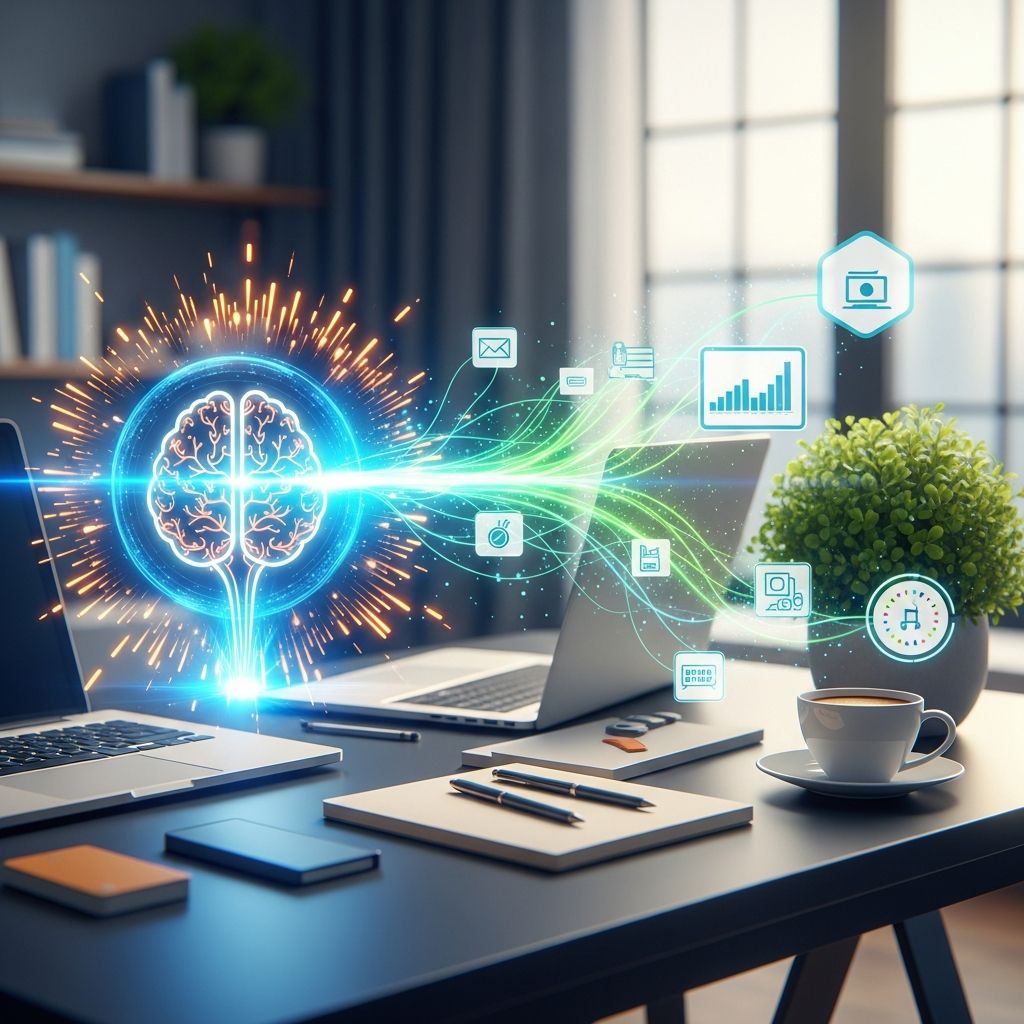
Traditional productivity advice fixates on calendars and clocks, but true efficiency stems from harnessing your body’s natural energy cycles. By monitoring and optimizing personal energy levels, individuals can accomplish more with less fatigue, aligning demanding tasks with peak alertness periods.
Why Energy Trumps Time in Modern Workflows
Time is finite and uniform, yet human energy fluctuates throughout the day, influenced by sleep, nutrition, and stress. Ignoring these rhythms leads to diminished output and burnout. Research shows that aligning work with energy peaks enhances focus and decision-making, outperforming forced schedules.
Professionals who track energy patterns report higher output because they tackle complex problems when mentally sharp, reserving routine duties for lulls. This approach fosters flow states—periods of deep immersion where creativity and efficiency soar.
Mapping Your Personal Energy Landscape
Start by observing daily fluctuations. Note alertness levels hourly for a week: mornings might buzz with vigor, afternoons slump into fog. Tools like journals or apps reveal patterns unique to you.
- Morning peaks: Ideal for analytical tasks like data review or strategy planning.
- Afternoon dips: Suited for administrative work or light correspondence.
- Evening rebounds: Great for reflective activities such as brainstorming.
Understanding these cycles allows strategic task placement, maximizing output without override.
Core Strategies for Energy Optimization
Task Alignment with Energy Phases
Categorize duties by cognitive demand: high (strategy, innovation), medium (collaboration), low (emails, filing). Schedule high-demand during peaks, low during troughs. This prevents energy waste on mismatched activities.
| Energy Level | Example Tasks | Duration Suggestion |
|---|---|---|
| High (Peak) | Problem-solving, creative writing | 90-120 minutes |
| Medium | Meetings, routine analysis | 45-60 minutes |
| Low (Dip) | Organizing files, responding to messages | 20-30 minutes |
Implementing Time Blocking for Energy
Divide your day into blocks dedicated to specific energy-matched tasks. Protect peak blocks as non-negotiable appointments. Use digital calendars to enforce this, minimizing context-switching that drains 20-40% of productive time.
Physical Foundations of Sustained Energy
Energy management begins with biology. Prioritize 7-9 hours of quality sleep to regulate circadian rhythms. Consistent bedtimes stabilize hormone levels, sharpening daytime cognition.
- Movement integration: Short walks or stretches every 90 minutes boost circulation and oxygen flow, countering sedentary drain.
- Nutrition timing: Balanced meals with proteins and complex carbs prevent mid-day crashes; hydrate steadily to maintain neural function.
- Light exposure: Natural sunlight or blue-light therapy aligns internal clocks, elevating mood and alertness.
A cluttered workspace saps mental energy; declutter to reduce cognitive load and enhance focus.
Mental and Emotional Energy Renewals
Strategic Pauses and Recovery
Breaks aren’t luxuries—they’re essential. The Pomodoro method (25 minutes work, 5 minutes rest) sustains attention by preventing depletion. Longer recoveries, like 20-minute walks, restore willpower.
Boundary Setting Against Drains
Notifications and multitasking fragment attention. Silence devices during focus blocks; batch-check emails thrice daily. Learn to decline low-value requests, preserving reserves for priorities.
Mindfulness practices, such as 5-minute breathing exercises, lower stress hormones, replenishing emotional energy for resilient performance.
Tools and Tech to Amplify Energy Management
Leverage apps for precision:
- Tracking: TimeCamp or MyHours log energy alongside tasks, spotting correlations.
- Blocking: Calendar apps with focus modes enforce schedules.
- Automation: Tools like Zapier handle repetitive chores, freeing mental bandwidth.
For teams, shared platforms visualize collective energy peaks, optimizing collaborative timing.
Overcoming Common Energy Barriers
Decision fatigue: Limit choices by pre-planning outfits or meals. Procrastination: Break tasks into micro-steps, starting with 2-minute actions. Burnout signals: Persistent exhaustion warrants schedule audits and professional input.
Seasonal variations demand adaptation—shorter days may shift peaks indoors with lighting adjustments.
Real-World Applications Across Professions
Energy pros use smart grids for real-time monitoring, mirroring personal energy tracking. Academics categorize research by demand levels. Executives apply HBR insights to avoid multitasking pitfalls.
Measuring Success and Iterating
Track metrics: tasks completed, energy at day-end, subjective fulfillment. Adjust weekly based on data. Consistent application yields compounding gains, turning energy mastery into habit.
Frequently Asked Questions
What if my energy patterns change?
Reassess monthly; life shifts like travel alter cycles. Flexibility ensures ongoing alignment.
Can energy management help remote workers?
Absolutely—structure replaces office cues, preventing blur between work and rest.
How quickly do results appear?
Noticeable within 1-2 weeks; full integration takes 4-6 weeks.
Is this suitable for shift workers?
Yes, map relative to sleep cycles, using naps for recovery.
What about team energy synchronization?
Share patterns for meeting timing; respect individual peaks.
References
- 9 Time Management and Productivity Tips for Energy Professionals — Spacewell. 2023. https://spacewell.com/resources/blog/9-time-management-and-productivity-tips-for-energy-professionals/
- From Hustle to Flow: How Energy Management Unlocks Peak Productivity — Calendar.com. 2023. https://www.calendar.com/blog/from-hustle-to-flow-how-energy-management-unlocks-peak-productivity/
- Understanding Time and Energy Management Strategies for Peak Productivity — Herrmann International Singapore. 2024. https://herrmann.com.sg/understanding-time-and-energy-management-strategies-for-peak-productivity/
- Manage Your Energy, Not Your Time — Harvard Business Review. 2007-10-21. https://hbr.org/2007/10/manage-your-energy-not-your-time
- Energy management: The secret weapon in academic productivity — Research Masterminds. 2024. https://www.researchmasterminds.com/blog/energy-management-in-academic-productivity
- 4 ways to manage your energy and have a balanced, productive workday — Atlassian. 2023. https://www.atlassian.com/blog/productivity/4-ways-to-manage-your-energy-and-have-a-balanced-productive-workday

Medha Deb is an editor with a master's degree in Applied Linguistics from the University of Hyderabad. She believes that her qualification has helped her develop a deep understanding of language and its application in various contexts. Medha specializes in the areas of beauty, health, sports, and wellness and is committed to ensuring that the content on the website is…