
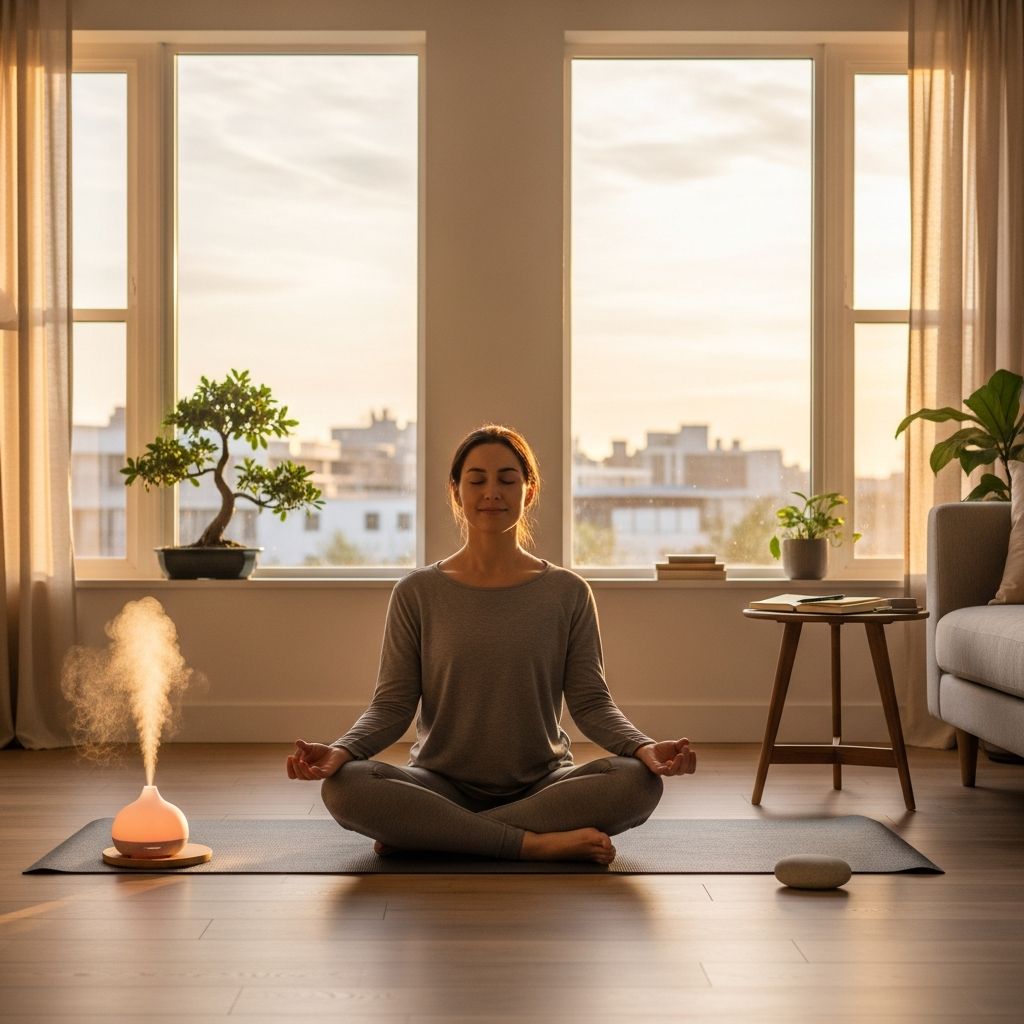
In today’s fast-paced world, stress has become an inevitable part of daily existence. Whether stemming from work pressures, personal relationships, or health concerns, the accumulated tension can significantly impact both mental and physical wellbeing. Fortunately, decades of scientific research have validated numerous approaches to counteract stress and restore a sense of calm. These evidence-based strategies offer accessible pathways to managing stress without relying solely on pharmaceutical interventions.
Understanding the Body’s Response to Stress
Before exploring specific techniques, it’s important to understand how stress manifests in the body. When exposed to stressors, the nervous system activates a cascade of physiological responses, including increased heart rate, elevated blood pressure, and heightened muscle tension. Over time, chronic stress elevates cortisol levels—a hormone associated with numerous health complications. The good news is that targeted relaxation methods can reverse these patterns by activating the body’s parasympathetic nervous system, promoting a state of physiological calm.
Progressive Muscle Relaxation: A Systematic Approach
One of the most thoroughly researched relaxation methods is progressive muscle relaxation (PMR), a technique that involves systematically tensing and releasing different muscle groups throughout the body. This practice creates awareness of the distinction between tension and relaxation, allowing individuals to recognize and release accumulated muscular stress.
Clinical evidence demonstrates remarkable efficacy for this approach. Research comparing multiple relaxation strategies found that PMR participants experienced statistically significant increases in relaxation states compared to control groups. Studies involving nursing students showed that PMR reduced test anxiety and general stress levels substantially. Additionally, research with cancer patients revealed that PMR reduced anxiety and improved emotional well-being during challenging medical procedures.
The benefits extend beyond psychological improvements. When practiced consistently—such as twenty minutes daily for six months—PMR produces measurable reductions in cortisol levels, the primary stress hormone. This creates a biochemical shift toward relaxation at the deepest level.
How to Practice Progressive Muscle Relaxation
- Begin in a comfortable seated or lying position in a quiet environment
- Start with your feet: tense the muscles for five seconds, then release and notice the sensation of relaxation
- Progress systematically upward through the calves, thighs, abdomen, chest, arms, shoulders, neck, and facial muscles
- Spend approximately five to ten seconds tensing each group before releasing
- Complete sessions typically require fifteen to twenty minutes
- Practice regularly for optimal results, ideally several times per week
Controlled Breathing: Activating the Calm Response
Another scientifically validated technique involves deliberate manipulation of breathing patterns. Deep breathing exercises influence the nervous system directly, shifting the body from a state of arousal to one of relaxation. Unlike some interventions requiring extensive training, breathing techniques can be implemented immediately and in virtually any situation.
Research comparing various relaxation methods found that deep breathing produced significant reductions in anxiety comparable to other established techniques. Studies tracking physiological markers discovered that deep breathing practice increases sustained attention while simultaneously decreasing negative emotional states and cortisol concentrations. When individuals engage in sustained deep breathing—particularly music-guided slow breathing—measurable reductions in systolic blood pressure occur over extended periods.
The mechanism is straightforward: controlled breathing activates parasympathetic nervous system pathways, counteracting the fight-or-flight activation of the sympathetic nervous system. This neural shift triggers a cascade of calming effects throughout the body.
Breathing Exercise Techniques
- Four-Count Breathing: Inhale for four counts, hold for four counts, exhale for four counts, and pause for four counts before repeating
- Extended Exhale Method: Inhale for a standard count, then exhale for twice as long, emphasizing the release phase
- Box Breathing: Inhale, hold, exhale, and pause each for equal durations, creating a balanced rhythm
- Alternate Nostril Breathing: Close one nostril while inhaling through the other, then reverse the pattern for exhalation
- 5-Minute Practice: Even brief five-minute sessions produce measurable anxiety reduction
Guided Imagery and Visualization
Guided imagery harnesses the mind’s capacity to create vivid sensory experiences, transporting consciousness to environments associated with safety and calm. This technique engages the imagination to produce genuine physiological relaxation responses.
Head-to-head comparisons of relaxation methods revealed that guided imagery produced results equivalent to progressive muscle relaxation in promoting psychological relaxation states. Physiologically, guided imagery demonstrated immediate linear trends toward relaxation, suggesting rapid activation of calm states. The technique proves particularly valuable for individuals who struggle with physical relaxation methods or prefer cognitive approaches to stress management.
The mechanism appears to involve the brain’s inability to distinguish vividly imagined experiences from actual sensory input. When individuals imagine serene landscapes, gentle breezes, or peaceful environments, the body responds with corresponding relaxation, as if experiencing these situations directly.
Creating Effective Imagery Practice
- Select a personally meaningful peaceful setting—a beach, forest, or familiar comfortable space
- Engage all sensory modalities: visualize colors and light, imagine textures and temperatures, recall relevant sounds
- Practice for fifteen to twenty minutes in a distraction-free environment
- Use recordings or professional guidance initially to structure the experience
- Return mentally to the same location repeatedly to deepen familiarity and effectiveness
- Access imagery techniques at any time by simply closing eyes and recalling the visualization
Meditation and Mindfulness: Observing Without Judgment
Mindfulness meditation represents a distinct approach to stress management, emphasizing present-moment awareness and non-judgmental observation of thoughts and sensations. Rather than attempting to eliminate stress, mindfulness involves developing a different relationship with stress-related thoughts and bodily sensations.
Research indicates that mindfulness-based stress reduction produces anxiety reduction comparable to cognitive behavioral therapy for numerous anxiety disorders including generalized anxiety, panic disorder, and phobias. Additionally, studies with individuals living with HIV discovered that mindfulness meditation slowed the decline of immune cells, suggesting benefits extending beyond psychological wellbeing.
One specialized form—Transcendental Meditation—demonstrates particular effectiveness for blood pressure reduction, with research confirming significant reductions in both systolic and diastolic measurements compared to control conditions.
Comparative Effectiveness: Which Method Works Best?
A natural question arises: which relaxation technique produces superior results? Clinical evidence suggests that different methods offer comparable effectiveness for psychological relaxation, though subtle physiological differences exist.
| Technique | Psychological Relaxation | Physiological Effects | Best For |
|---|---|---|---|
| Progressive Muscle Relaxation | Highly Effective | Significant Cortisol Reduction | Physical tension, kinesthetic learners |
| Deep Breathing | Highly Effective | Sustained Attention Increase | Immediate relief, portable use |
| Guided Imagery | Highly Effective | Rapid Relaxation Response | Visual learners, creative individuals |
| Mindfulness Meditation | Highly Effective | Long-term Physiological Benefits | Anxiety disorders, psychological flexibility |
| Transcendental Meditation | Effective | Blood Pressure Reduction | Hypertension, cardiovascular health |
Application for Specific Health Conditions
Anxiety Disorders
Substantial evidence supports relaxation therapies for anxiety symptom management, particularly in the short term. A comprehensive review of twenty-seven studies concluded that multiple relaxation approaches—including progressive relaxation, autogenic training, and meditation—effectively reduced anxiety across diverse populations. However, for specific conditions like post-traumatic stress disorder and obsessive-compulsive disorder, cognitive behavioral therapy may offer superior outcomes.
Sleep Disturbances
While relaxation techniques produce modest benefits for insomnia, results prove more limited than for anxiety. In controlled studies, progressive relaxation showed minimal impact on sleep onset time or duration, though participants reported enhanced sleep quality and feeling more rested upon waking. Combined approaches incorporating both muscle relaxation and biofeedback demonstrate marginal additional benefits.
Pain Management
For individuals with cancer undergoing invasive procedures, self-hypnotic relaxation combined with empathetic care significantly reduced pain and anxiety compared to standard care alone. This finding suggests that relaxation techniques activate internal coping mechanisms more effectively than external support alone. Psychological interventions including relaxation and biofeedback also demonstrate effectiveness for chronic headaches and migraines in children.
Cardiovascular Health
Research on hypertension reveals mixed results. While general relaxation therapies show limited efficacy, Transcendental Meditation specifically produces measurable blood pressure reductions comparable to pharmaceutical interventions. Music-guided slow breathing also demonstrates blood pressure-lowering effects when practiced daily.
Integrating Relaxation Into Daily Life
The most scientifically validated technique proves ineffective if never implemented. Successful stress management requires integrating relaxation practices into established routines. Consider these integration strategies:
- Practice breathing exercises during routine transitions—commuting, between work tasks, before meals
- Schedule dedicated relaxation sessions at consistent times, similar to exercise routines
- Combine multiple techniques: practice progressive muscle relaxation while listening to guided imagery audio
- Use environmental cues: play specific music when practicing meditation to create automatic associations
- Start with brief five-to-ten minute sessions before extending duration
- Track physiological improvements—measure blood pressure or sleep quality—to reinforce commitment
Important Considerations and Limitations
While relaxation techniques offer valuable benefits, they function most effectively as complementary approaches rather than replacements for professional medical care. Research demonstrates mixed results across health conditions, with some techniques proving more effective than others for specific purposes. Individuals with severe anxiety, depression, or other mental health conditions should consult healthcare providers to develop comprehensive treatment plans.
Additionally, study design challenges limit our understanding of relative effectiveness. The difficulty in creating true placebo conditions for relaxation techniques complicates research interpretation. More rigorous, well-designed studies would strengthen evidence for specific applications.
Frequently Asked Questions
How quickly do relaxation techniques produce results?
Some techniques, particularly deep breathing, produce immediate calming effects within minutes. Progressive muscle relaxation and guided imagery typically require fifteen to twenty minutes for full benefits. Sustained practice over weeks and months produces increasingly pronounced physiological changes, including reduced baseline cortisol and improved sleep quality.
Can relaxation techniques replace medication?
Relaxation techniques function best as complementary approaches alongside professional treatment rather than replacements for prescribed medications. Individuals taking medications should consult healthcare providers before modifying treatment plans.
Which technique requires the least time?
Deep breathing exercises prove most time-efficient, with five minutes producing measurable anxiety reduction. This makes breathing techniques ideal for workplace stress management and acute anxiety episodes.
Are relaxation techniques effective for everyone?
While most people experience benefits, individual responses vary. Some individuals prefer physical techniques like progressive muscle relaxation, while others respond better to cognitive approaches like guided imagery or meditation. Experimentation with multiple methods typically identifies personal preferences.
How often should I practice relaxation techniques?
Regular practice produces superior results compared to sporadic attempts. Research suggests that practicing several times weekly, ideally progressing to daily practice, optimizes physiological benefits including cortisol reduction and improved relaxation capacity.
References
- Relaxation Techniques — National Center for Biotechnology Information (NCBI). 2023. https://www.ncbi.nlm.nih.gov/books/NBK513238/
- Effectiveness of Progressive Muscle Relaxation, Deep Breathing, and Guided Imagery in Producing Relaxation and Reducing Stress — PMC, National Institutes of Health. 2021. https://pmc.ncbi.nlm.nih.gov/articles/PMC8272667/
- 10 Science-Based Relaxation Techniques — Psychology Today. 2020. https://www.psychologytoday.com/us/blog/click-here-for-happiness/202011/10-science-based-relaxation-techniques
- Relaxation Therapies — EBSCO Research Starters. 2024. https://www.ebsco.com/research-starters/health-and-medicine/relaxation-therapies

Medha Deb is an editor with a master's degree in Applied Linguistics from the University of Hyderabad. She believes that her qualification has helped her develop a deep understanding of language and its application in various contexts. Medha specializes in the areas of beauty, health, sports, and wellness and is committed to ensuring that the content on the website is…