
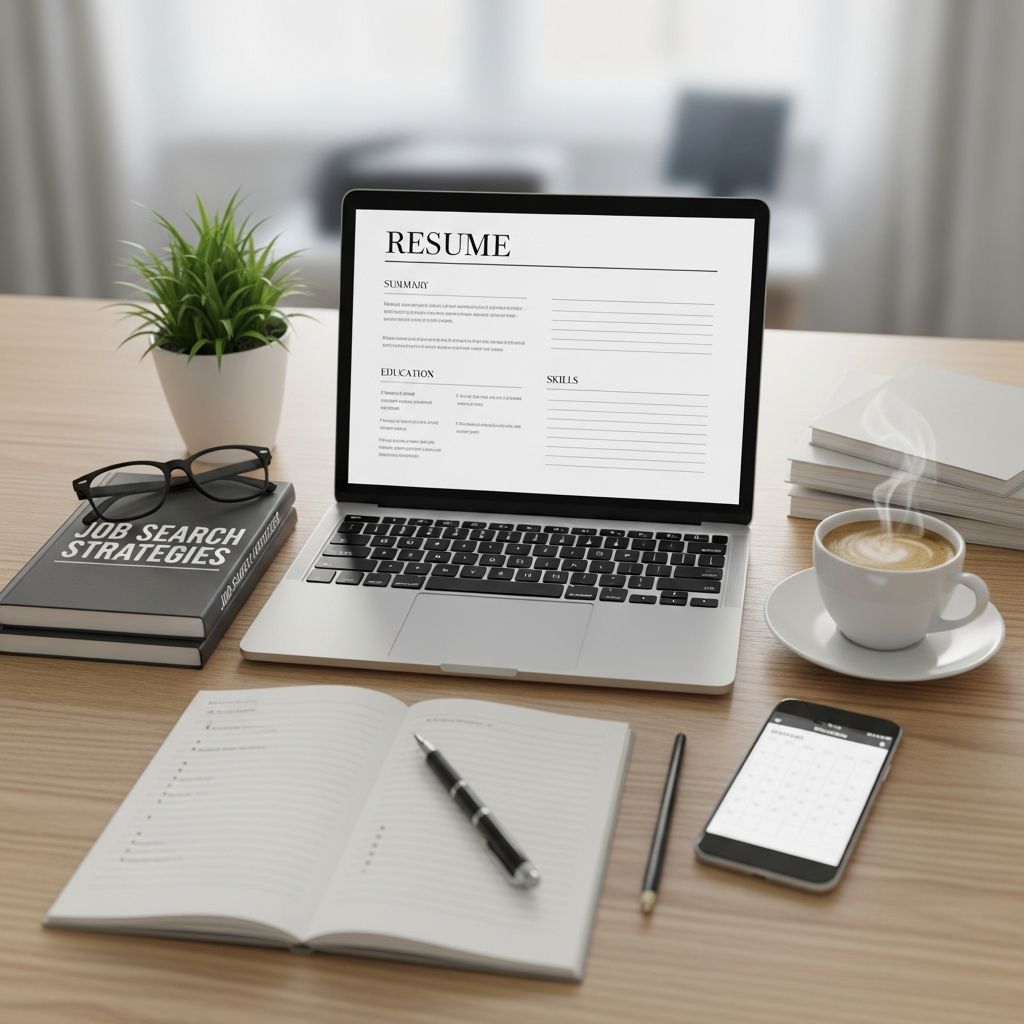
Entering the job market without prior work experience can feel daunting, but it doesn’t have to be a barrier to landing your first position. Many employers understand that recent graduates and career changers need an opportunity to prove themselves. The key lies in strategically presenting what you do have: education, skills, projects, volunteer work, and extracurricular involvement. By approaching your resume thoughtfully and highlighting transferable abilities, you can create a document that captures an employer’s attention and positions you as a capable candidate ready to contribute to an organization.
Understanding the Foundation: What You Actually Possess
Before diving into the mechanics of resume construction, take time to inventory your actual qualifications and experiences. Many people without formal employment overlook the valuable learning they’ve accumulated through various channels. Your education represents structured knowledge in your field. Coursework you’ve completed demonstrates subject matter expertise. Projects you’ve undertaken—whether for classes, personal development, or community initiatives—show your ability to execute tasks and solve problems. Volunteer positions reveal your work ethic and commitment to causes beyond personal gain. Leadership roles in clubs, organizations, or student groups illustrate your capacity to guide others and manage responsibilities.
This comprehensive assessment becomes your foundation. Rather than viewing yourself as inexperienced, recognize that you possess a diverse portfolio of relevant experiences that simply fall outside traditional employment. Your challenge is translating these into resume language that resonates with hiring managers who scan dozens of applications daily.
Selecting the Optimal Resume Structure
The format you choose significantly impacts how effectively your qualifications register with potential employers. For candidates without substantial work history, the functional resume format outperforms traditional chronological layouts. This approach organizes your resume around skill categories and competencies rather than a timeline of jobs. By leading with what you can do rather than where you’ve worked, you immediately demonstrate value to employers.
A functional resume typically follows this sequence:
- Contact information and professional header
- Summary or objective statement highlighting your goals and key strengths
- Core competencies section showcasing relevant skills
- Education details with relevant coursework or honors
- Experience section that includes internships, volunteer work, projects, and leadership roles
- Optional sections for certifications, technical skills, or awards
This structure allows hiring managers to quickly identify whether you possess the capabilities their position requires, without getting bogged down in employment gaps that might concern them.
Crafting a Compelling Opening Statement
Your resume’s opening moments are crucial. Many hiring managers spend only seconds reviewing each application, making your summary or objective statement absolutely critical. Rather than generic statements about career ambitions, create a focused summary that connects your background to the specific role you’re pursuing.
An effective opening statement should:
- Clearly state the position type or field you’re targeting
- Highlight your most relevant education and skills
- Convey genuine enthusiasm for the opportunity
- Include one or two quantifiable achievements or relevant accomplishments
- Demonstrate understanding of what the employer needs
For example, instead of writing “Recent graduate seeking entry-level position,” consider: “Recent business graduate with coursework in financial analysis and business intelligence, seeking analytical role to apply data modeling skills and contribute to data-driven decision making within a growth-focused organization.” This version immediately communicates your specialization, relevant knowledge, and value proposition.
Leveraging Educational Credentials Strategically
Without employment history, your education becomes your primary credential. Present this information prominently and comprehensively. Include your institution name, degree earned, graduation date (or expected graduation date), and any major academic honors such as Dean’s List recognition, scholarships, or high GPA if it exceeds 3.5.
Go beyond basic degree information by highlighting relevant coursework. List classes directly related to the position you’re seeking, particularly courses involving practical skills the employer values. If you completed significant projects, capstone studies, or thesis work, briefly describe these accomplishments with measurable outcomes.
Consider including:
- Relevant coursework titles that demonstrate specialized knowledge
- Academic honors, awards, or recognition
- Certificates or specializations completed alongside your degree
- Graduate certifications or professional development courses
This approach transforms education from a simple credential into compelling evidence of your capability in your chosen field.
Reframing Alternative Experience as Valuable Contribution
Professional work experience isn’t the only experience that matters to employers. Internships, volunteer positions, freelance projects, leadership roles, and significant academic assignments all demonstrate your ability to take on responsibility and deliver results. When these constitute your primary experiences, present them with the same professional rigor you would apply to paid employment.
For each experience you include, provide context about your contributions and outcomes:
- Position or Role Title: Give yourself a clear, professional designation
- Organization Name: Include the organization, even if unpaid or volunteer-based
- Duration: Specify months and years of involvement
- Key Responsibilities: Describe what you did using action verbs that convey impact
- Measurable Outcomes: Quantify your achievements whenever possible
Begin each bullet point with a strong action verb such as “implemented,” “coordinated,” “developed,” “managed,” or “designed.” Rather than stating “Helped with community outreach,” write “Organized and executed five community outreach events reaching 200+ residents, resulting in 30% increase in program participation.” This specific language demonstrates concrete contribution and impact.
Building a Powerful Skills Section
Your skills section deserves careful attention when experience is limited. This is where you communicate what you can actually do for an employer. Divide skills into two categories: hard skills (technical abilities like software proficiency, programming languages, or industry-specific tools) and soft skills (interpersonal abilities like communication, leadership, and problem-solving).
Focus on five to ten skills most relevant to the position, rather than creating an overwhelming list. Customize your skills section for each application by reviewing the job description and identifying the competencies emphasized by the employer. If the posting mentions “project management,” “data analysis,” or “customer communication,” ensure these appear in your resume if you genuinely possess them.
Maximizing Transferable Abilities
Transferable skills represent your strongest asset when direct experience is absent. These are competencies developed through education, projects, or activities that apply across multiple roles and industries. Common transferable skills include:
- Communication and presentation abilities
- Problem-solving and analytical thinking
- Leadership and team collaboration
- Organization and time management
- Research and information synthesis
- Project planning and execution
- Adaptability and learning agility
Identify which transferable skills align with your target position, then provide specific examples demonstrating each ability. Rather than simply listing “strong communication skills,” note that you “delivered presentations to 50+ students explaining complex marketing concepts” or “collaborated with cross-functional teams to develop project proposals.”
Formatting and Presentation Excellence
Content alone doesn’t guarantee success; presentation matters enormously. Hiring managers often use Applicant Tracking Systems (ATS) that scan resumes for keywords and organizational structure before human review. Your resume must be both aesthetically pleasing and technically compatible with these systems.
Follow these formatting standards:
- Use standard fonts (Arial, Calibri, Helvetica, or Times New Roman) in 10-12 point size
- Maintain 1-inch margins on all sides
- Left-align all text for ATS compatibility
- Use consistent spacing throughout the document
- Implement bullet points to break up dense paragraphs
- Employ bold or italics sparingly for section headers only
- Keep resume to a single page unless you have extensive relevant content
- Use white space strategically to improve readability
Avoid graphics, unusual formatting, or creative elements that ATS systems cannot process. Your goal is clarity and professionalism that both machines and human readers can navigate quickly and effectively.
Tailoring Your Resume for Each Application
Generic resumes rarely succeed in competitive job markets. Each application represents an opportunity to demonstrate that you understand the employer’s specific needs and possess relevant qualifications. Before submitting your resume, carefully review the job description and identify the key requirements.
Mirror language from the job posting in your resume whenever you truthfully can. If the employer seeks someone with “excellent organizational skills,” use that exact phrase in your qualifications rather than “strong ability to stay organized.” This alignment helps both ATS systems and hiring managers see that your background matches their needs.
Reorder your skills and experiences to highlight those most relevant to each specific position. The resume you submit for a marketing internship should emphasize different accomplishments than one for an accounting role, even if you have both experiences.
Incorporating Your Cover Letter as Strategic Companion
Your resume shouldn’t stand alone. A well-crafted cover letter provides context for your lack of traditional experience and helps you make a compelling case for consideration. Where your resume presents facts, your cover letter tells your story and explains why you’re genuinely interested in this particular role and organization.
Use your cover letter to address any concerns about your inexperience directly. Explain your enthusiasm for the field, your commitment to developing expertise, and your understanding of how your specific skills and education position you to contribute meaningfully. This personal touch can distinguish you from other candidates with similar background profiles.
Frequently Asked Questions
Can I successfully land a job without any work experience?
Yes, many employers hire entry-level candidates without prior employment, particularly for positions explicitly designated as entry-level or internships. Your education, skills, projects, and demonstrated commitment to professional development can compete effectively if presented strategically.
Should I lie about experience I don’t have?
No. Fabricating credentials creates serious consequences including immediate termination, damage to professional reputation, and potential legal liability. Instead, honestly present and highlight the legitimate experiences and capabilities you do possess.
What if I have gaps in my resume?
Gaps are normal for early-career professionals. Rather than drawing attention to what you haven’t done, focus on what you have. If you spent time in education, family care, or other meaningful pursuits, briefly mention these as evidence of prioritization and personal development.
How should I handle references without professional contacts?
Contact professors, teaching assistants, volunteer coordinators, or community leaders who can attest to your work ethic, reliability, and capabilities. These references carry weight when they’re credible individuals who genuinely observed your work and can speak to your potential.
Is functional resume format right for every field?
While functional format works well for most entry-level candidates, some fields prefer chronological resumes. Research your specific industry standards, but the skills-focused approach typically serves inexperienced candidates best regardless of field.
Final Thoughts: Confidence Through Preparation
Your lack of traditional work experience doesn’t define your candidacy. Many successful professionals started exactly where you are—armed with education, capability, and enthusiasm but without the employment record. By thoughtfully presenting your qualifications, strategically highlighting transferable skills, and demonstrating genuine interest in each opportunity, you position yourself as a serious candidate worthy of consideration.
The resume you submit should feel honest, professional, and compelling. It should tell the story of someone ready to learn, willing to contribute, and capable of growing into their role. When approached with strategic thinking and attention to detail, your entry-level resume becomes a powerful tool for launching your career.
References
- How To Write a Great Resume With No Experience — Indeed.com. 2024. https://www.indeed.com/career-advice/resumes-cover-letters/writing-a-resume-with-no-experience
- Resume Writing For Jobs With No Experience: Examples & Tips — TTEC Jobs. 2025-02-13. https://www.ttecjobs.com/en/how-to-write-a-great-resume-for-jobs-with-no-experience-examples-and-tips
- How to Write Resume With No Experience [Examples & Tips] — MyPerfectResume. 2024. https://www.myperfectresume.com/career-center/resumes/how-to/first-job-no-experience
- Guide to Writing a Great Resume with No Experience — TopResume. 2024. https://topresume.com/career-advice/make-a-great-resume-with-no-work-experience
- Writing a Resume When You Have No Relevant Experience — Champlain College Online. 2024. https://online.champlain.edu/blog/writing-resume-when-you-have-no-relevant-experience

- Integrated M.A. in Applied Linguistics, University of Hyderabad
- 5+ years in editorial, instructional, SEO, and research-based writing
Sneha is a relationships and lifestyle writer with a strong foundation in applied linguistics and certified training in relationship coaching. She brings over five years of writing experience to theskillvault, crafting thoughtful, research-driven content that empowers readers to build healthier relationships, boost emotional well-being, and embrace holistic living. Her writing and insights reflect the belief that beauty, happiness, and wellness…