
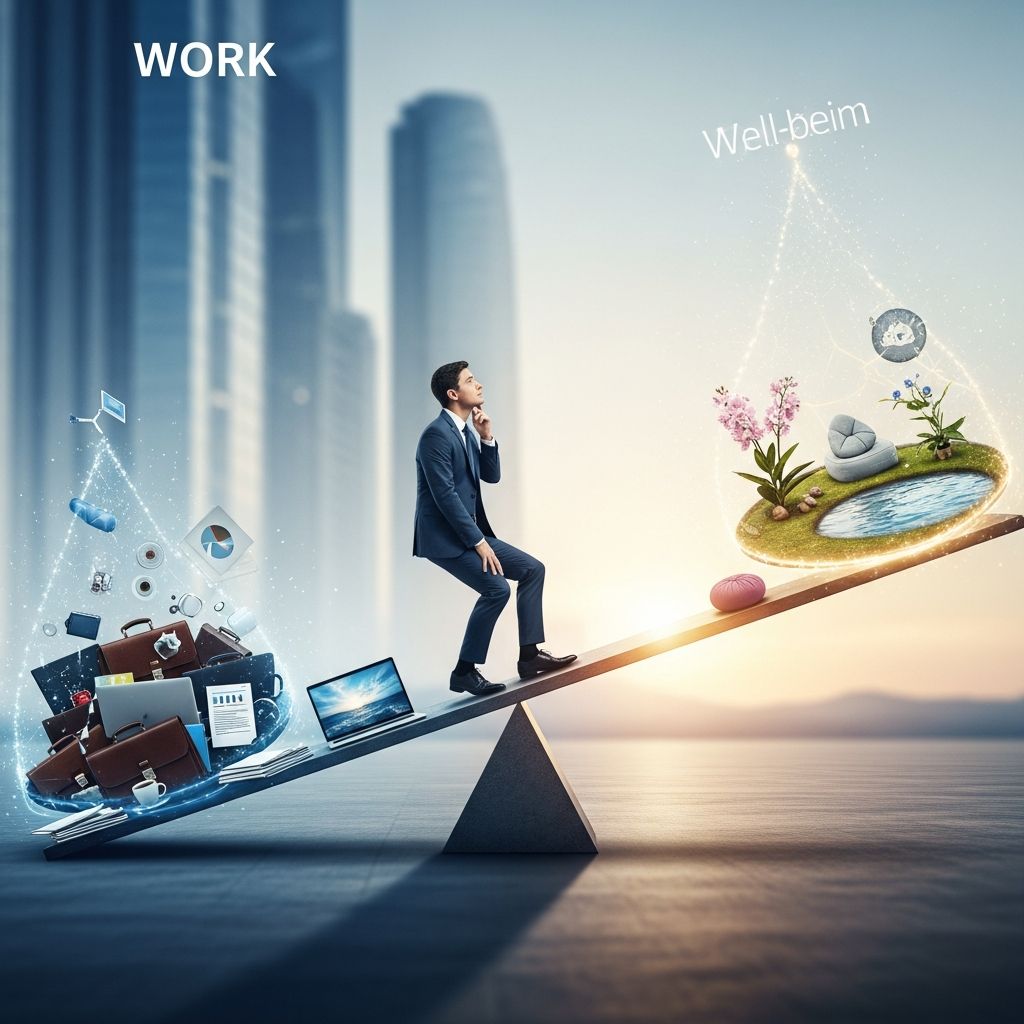
The phrase ‘work hard, play hard’ has become embedded in Western culture as a time-honored principle for achieving success and happiness. Yet beneath this catchy mantra lies a complex web of assumptions that may actually be working against your long-term goals and well-being. While hard work is certainly valuable, the manner in which this philosophy is typically interpreted and implemented deserves critical examination. Understanding the distinction between productive effort and counterproductive cycles can fundamentally reshape your approach to career, finances, and personal fulfillment.
The Historical Context of a Cultural Mantra
The concept of working diligently followed by recreational enjoyment has roots extending back centuries. Documented references to this philosophy trace back to at least 1827, reflecting deeply ingrained cultural values about effort and reward. The phrase gained particular prominence during periods of economic expansion when consumption became increasingly accessible to middle-class workers. What began as a reasonable concept—that dedication during work hours legitimizes leisure time—has evolved into something far more complex and potentially destructive in contemporary society.
The cultural reinforcement of this principle occurs through multiple channels. Popular media, business leadership books, and workplace culture frequently celebrate individuals who boast about their grueling schedules and extravagant weekend activities as though these attributes signal success and status. This creates a compelling narrative that equates visible consumption with earned achievement, establishing a powerful psychological feedback loop that encourages continued participation in the cycle.
Deconstructing the Economics of the Mantra
When examined through an economic lens, the ‘work hard, play hard’ philosophy reveals significant structural problems. The underlying logic suggests that increased income from work should be channeled directly into consumption activities—boat purchases, expensive vacations, luxury vehicles, and high-end dining experiences. This creates what might be termed a “consumption treadmill,” where workers increase their effort specifically to fund increasingly expensive leisure pursuits.
The trap becomes apparent when considering opportunity costs. Consider that someone dedicating 20 hours weekly to building a business venture instead of recreational activities could theoretically generate significant wealth-building capacity. Those hours represent not merely time but capitalized potential—investment in assets and income streams rather than consumption of depreciating goods and experiences.
The financial architecture of this cycle typically works as follows:
- Worker increases labor output to secure higher compensation
- Higher compensation funds expensive leisure activities and material acquisitions
- These acquisitions create lifestyle inflation and increased fixed expenses
- Increased expenses necessitate maintaining or increasing labor output
- Worker becomes psychologically and financially dependent on this pattern
This perpetual loop fundamentally constrains financial independence, as increased earnings are immediately absorbed by increased spending rather than accumulated as wealth-generating assets.
The Psychological Appeal and Hidden Costs
Understanding why this philosophy proves so psychologically compelling requires examining multiple dimensions. Research into human motivation reveals that people operate according to distinct drive systems. Some individuals display what researchers term “legacy drive”—a motivation toward accomplishment and creating lasting impact. Others respond primarily to “leisure drive”—attraction to recreational and pleasurable activities. Interestingly, studies demonstrate a particularly strong correlation between these two motivational patterns, suggesting that high-achieving individuals do tend to also pursue intense recreational experiences.
However, the psychological satisfaction derived from these activities carries important nuances. Neuroscience research indicates that consumption-based rewards tend to provide diminishing returns—the pleasure from purchasing or experiencing luxury goods decreases with repetition. Moreover, debt-financed leisure carries distinct psychological burdens that offset pleasure gains. The chronic stress of maintaining employment primarily to service consumption habits creates a paradoxical situation where the “reward” phase of the cycle actually generates significant anxiety rather than relaxation.
The Distinction Between Effort and Wisdom
A critical misconception embedded within contemporary success rhetoric conflates hard work with intelligent work. These represent distinctly different phenomena. Research examining success patterns across various fields reveals that while effort matters significantly, the strategic application of that effort determines outcomes far more than the sheer quantity of hours invested.
The traditional mantra assumes a direct correlation: more work equals more income, and more income enables more consumption. Yet this oversimplifies the complex relationship between effort, compensation, and prosperity. In modern economies, individuals working identical hours in different fields experience vastly different compensation and wealth-building opportunities. A 60-hour weekly commitment might represent appropriate dedication in one context and counterproductive overwork in another.
Strategic intelligence in how effort is deployed becomes paramount. Rather than maximizing hours within a single employment arrangement, more sophisticated approaches might involve:
- Developing skills that command premium compensation
- Building income diversification through multiple revenue streams
- Investing earnings into assets generating passive income
- Creating systems that reduce dependency on direct time-for-money exchanges
- Redirecting discretionary time toward wealth-building rather than consumption activities
Reframing Leisure and Recreation
The conclusion that ‘work hard, play hard’ philosophy is problematic does not suggest that recreation, leisure, and pleasure should be eliminated from life. Rather, it suggests that these elements should be thoughtfully integrated rather than treated as reward-based justifications for unsustainable work patterns. This distinction proves crucial.
Sustainable models of living incorporate genuine rest, meaningful recreation, and activities that enrich rather than deplete. However, these can typically be achieved through lower-cost approaches than those typically implied by ‘play hard’ philosophy. Quality time with loved ones, creative pursuits, physical activity, and community engagement often provide superior psychological and physical benefits compared to expensive consumption patterns, yet demand significantly fewer financial resources.
The paradox becomes clearer when examining long-term life satisfaction research: studies consistently demonstrate that experiences—particularly those involving social connection and personal growth—generate more durable satisfaction than material acquisitions. Yet the ‘work hard, play hard’ framework typically channels resources toward the latter rather than the former.
Alternative Frameworks for Sustainable Success
Emerging research on motivation and well-being suggests more balanced approaches to structuring work, effort, and leisure. Rather than the binary framework of intense work periods followed by intensive consumption, alternative models propose:
| Traditional Model | Alternative Model |
|---|---|
| Maximize income through extended hours | Optimize income through strategic effort and skill development |
| Channel excess income to consumption | Channel excess income to assets and passive income generation |
| Use leisure as reward justifying work | Integrate meaningful recreation throughout life |
| Increase lifestyle expenses with income | Maintain sustainable expenses while accumulating wealth |
| Remain dependent on employment income | Build toward financial autonomy and choice |
This alternative framework does not reject hard work or the value of dedication. Rather, it recontextualizes effort within a broader system designed to ultimately reduce dependency on continuous labor output. The goal shifts from maximizing consumption to maximizing freedom—the ability to make choices based on preference rather than financial necessity.
Time as the Ultimate Asset
Beneath these practical considerations lies a foundational principle that deserves explicit recognition: time represents the most genuinely finite and valuable resource available to any individual. Unlike money, which can be earned, inherited, or borrowed, time cannot be manufactured, extended, or recovered once spent.
The ‘work hard, play hard’ framework treats time casually, spending discretionary hours on consumption activities as though this represents a justified reward. Yet from a true wealth-building perspective, discretionary time should be recognized as capital—potential wealth waiting to be deployed strategically. Twenty hours weekly represents approximately 1,000 hours annually—a substantial capacity for learning, building, creating, or investing.
Reframing this temporal resource as an asset rather than a mere backdrop to work shifts decision-making fundamentally. Individuals begin asking not whether they can afford an activity monetarily, but whether the temporal investment aligns with their ultimate objectives.
Building Toward Genuine Freedom
The ultimate opportunity cost of the ‘work hard, play hard’ cycle involves freedom itself. Those who successfully break the pattern and redirect resources toward wealth-building and income diversification eventually reach a qualitatively different life stage. Financial independence enables authentic choices about work, leisure, location, and commitment. It transforms recreation from a brief, expensive, and psychologically complicated reward into a genuine lifestyle element integrated throughout one’s existence.
Reaching this stage requires discipline and delayed gratification—uncomfortable concepts in consumption-oriented cultures. However, the mathematics prove compelling. Money invested during earning years through business development, real estate, equities, or other wealth-generating vehicles compound significantly over decades. What appears as short-term sacrifice generates exponential long-term returns.
Perhaps most importantly, achieving this freedom often enables the very activities ‘work hard, play hard’ advocates pursue—travel, luxury experiences, creative pursuits—but with entirely different psychological and financial contexts. Rather than representing anxious consumption funded by debt and dependence, these become genuine choices made from abundance rather than compensation for deprivation.
The Courage to Think Differently
Challenging deeply embedded cultural narratives requires intellectual courage. The ‘work hard, play hard’ philosophy remains remarkably resilient because it aligns with existing incentive structures. Retailers, lenders, and employers all benefit from workers maintaining high income and high consumption patterns. Questioning this framework may place individuals at odds with prevailing cultural narratives.
Yet the capacity to examine inherited wisdom critically represents perhaps the most valuable skill in personal development. The question is not whether hard work has value—it clearly does. Rather, the question becomes: In service of what objectives should that effort be deployed, and what returns should that effort generate? These questions deserve careful, personalized consideration rather than reflexive acceptance of cultural defaults.
Frequently Asked Questions
Does rejecting ‘work hard, play hard’ mean foregoing all leisure and enjoyment?
No. The critique targets the specific consumption-based model of leisure funded through debt and lifestyle inflation. Meaningful recreation, rest, relationships, and enjoyment can be prioritized within a framework that doesn’t require simultaneously maintaining unsustainable work commitments and expensive spending patterns.
Is this philosophy applicable to all career types and income levels?
The principles apply across diverse contexts, though specific implementation varies. Someone earning modest wages faces different constraints than a six-figure professional, yet both can benefit from redirecting discretionary resources toward wealth-building rather than consumption. The relative impact intensifies with higher income, but the principle remains valid across income levels.
What constitutes working ‘smarter’ versus merely working harder?
Strategic effort involves developing high-demand skills, building systems that leverage time, creating multiple income streams, and investing in assets generating returns without proportional time input. These approaches typically yield better outcomes than simply extending hours within existing arrangements.
How long does transitioning to a sustainable model typically require?
Timelines vary based on starting point, income level, and consistency of effort. However, research on wealth-building suggests that sustained redirection of resources toward investment rather than consumption generates noticeable results within 3-5 years, with exponential returns accelerating over decades.
Conclusion: Redefining Success on Your Terms
The ‘work hard, play hard’ mantra has shaped decades of American culture and continues influencing millions of daily decisions about work, spending, and life priorities. Yet examining this philosophy through multiple lenses—economic, psychological, and temporal—reveals significant limitations and potentially counterproductive consequences. The alternative does not involve rejecting hard work, pleasure, or the legitimacy of recreation. Rather, it involves thoughtfully restructuring how these elements integrate into a coherent life strategy that builds toward genuine freedom rather than perpetuating sophisticated forms of constraint.
References
- Opt Out Life: Work Hard! Play Hard! Is Bullshit — Opt Out Life. Accessed January 2026. https://optoutlife.com/work-hard-play-hard/
- Do we really ‘work hard, play hard?’ — Queen’s University Gazette. June 29, 2016. https://www.queensu.ca/gazette/stories/do-we-really-work-hard-play-hard
- Debunking the Myth of Hard Work — Careers Done Write. Accessed January 2026. https://careersdonewrite.com/blog/debunking-the-myth-of-hard-work
- The Great Myth of Hard Work — Psychology Today. August 2012. https://www.psychologytoday.com/us/blog/off-the-couch/201208/the-great-myth-of-hard-work

Medha Deb is an editor with a master's degree in Applied Linguistics from the University of Hyderabad. She believes that her qualification has helped her develop a deep understanding of language and its application in various contexts. Medha specializes in the areas of beauty, health, sports, and wellness and is committed to ensuring that the content on the website is…