
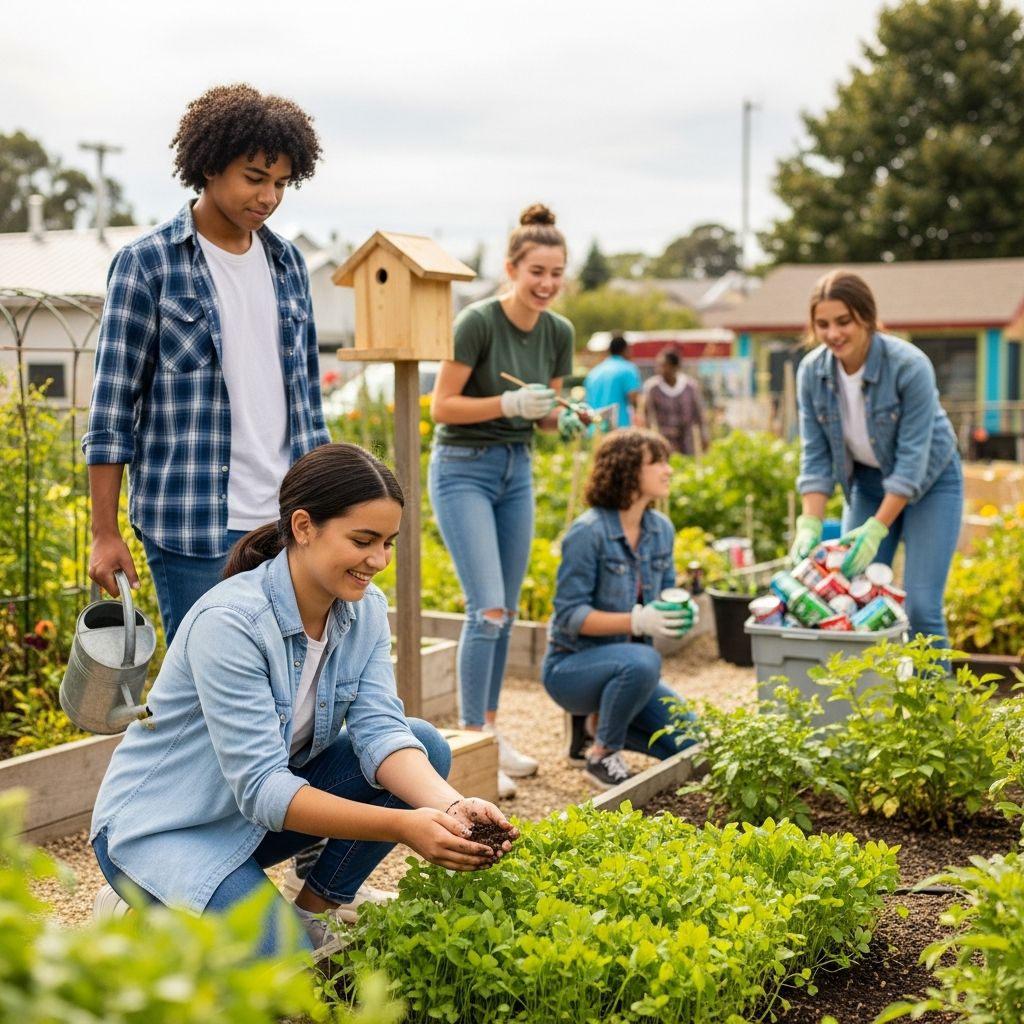
Adolescence represents a formative period when young people develop their values, leadership capabilities, and sense of civic responsibility. Volunteering during these critical years provides teenagers with opportunities to contribute meaningfully to their communities while simultaneously building character and discovering their passions. Unlike adults who volunteer primarily for altruistic reasons, teenagers benefit from a unique combination of personal growth, skill development, and the satisfaction of creating tangible change in their local communities.
The landscape of teen volunteering has expanded dramatically in recent years, offering pathways that accommodate various interests, schedules, and commitment levels. From traditional hands-on service to virtual contributions, modern teens can find volunteer roles that align with their strengths and aspirations. This accessibility democratizes community service, enabling young people from all backgrounds and circumstances to participate in meaningful work.
Understanding the Teen Volunteering Landscape
Today’s teenagers inhabit a world filled with complex social, environmental, and humanitarian challenges that directly affect their futures. This awareness drives many young people toward action-oriented service that addresses real problems in their communities. Organizations across the nonprofit sector have recognized this passion and created structured programs specifically designed for adolescents, acknowledging that teenagers bring unique energy, technological fluency, and fresh perspectives to volunteer work.
The benefits of teen volunteering extend far beyond the immediate impact on recipients. Research demonstrates that young volunteers develop enhanced leadership competencies, improved problem-solving abilities, and greater emotional intelligence. Additionally, volunteer experience strengthens college applications, fulfills community service requirements, and builds professional networks that prove invaluable as teenagers transition into adulthood.
Key Considerations for Teen Volunteers
- Age-appropriate roles: Most organizations carefully match volunteer assignments to developmental stages, ensuring safety and meaningful contribution
- Time commitment flexibility: Opportunities range from one-time events to ongoing weekly commitments, accommodating school schedules and extracurriculars
- Skill-building focus: Quality programs emphasize teaching new abilities alongside service delivery
- Supportive environments: Teen-centric volunteer programs typically provide adult mentorship and peer community
- Transportation accessibility: Leading organizations consider logistics to ensure participation isn’t limited by mobility challenges
Crisis Response and Humanitarian Service Opportunities
One of the most impactful avenues for teen volunteering involves supporting organizations dedicated to emergency response and humanitarian aid. These organizations mobilize volunteers during critical moments when communities face disasters, health crises, or acute social needs. Teenagers who volunteer in these sectors develop resilience, compassion, and an understanding of how individuals can respond effectively during challenging circumstances.
Disaster relief organizations actively recruit and train teenage volunteers, recognizing that young people bring enthusiasm and physical capability to recovery efforts. Whether responding to natural disasters, supporting emergency medical initiatives, or assisting displaced populations, teen volunteers become integral components of humanitarian response networks.
Youth volunteers in this space learn practical skills including first aid certification, community mobilization techniques, and crisis communication. These competencies prove valuable not only for immediate service but throughout their lives as informed, capable citizens prepared to help during emergencies.
For teenagers interested in organized humanitarian service, starting with club-based opportunities within educational institutions provides structured entry points. Student-led service clubs operating within schools create peer communities of similarly motivated adolescents, making volunteering a shared experience that strengthens both personal relationships and collective impact.
Housing and Neighborhood Development Initiatives
Safe, affordable housing represents a fundamental human need, yet millions of families lack adequate shelter. Organizations focused on housing development recognize that teenagers can meaningfully contribute to construction projects, advocacy campaigns, and community awareness initiatives. These volunteer opportunities connect adolescents to tangible work with visible outcomes—they can literally see homes being built and families receiving keys to their new residences.
Housing-focused volunteer programs typically accommodate diverse age groups and physical abilities. Younger teenagers might assist with painting, landscaping, and material organization, while older adolescents can participate in more technical construction work. This scalability ensures that volunteers can participate at levels matching their capabilities and interests.
Beyond construction activities, housing organizations offer advocacy opportunities where teens document housing insecurity, participate in community education, and engage in policy discussions. These roles develop civic awareness and demonstrate to young volunteers how individual actions connect to systemic change.
Participation in housing initiatives also exposes teenagers to career pathways in construction trades, architecture, urban planning, and social work. Many young volunteers discover latent interests and aptitudes through hands-on experience that classroom learning alone cannot provide.
Animal Welfare and Conservation Advocacy
For teenagers passionate about animals and environmental stewardship, numerous organizations focus on protecting wildlife and supporting animal welfare. These opportunities span multiple dimensions: direct animal care, habitat preservation, anti-cruelty advocacy, and environmental education.
Animal shelters consistently need volunteer support for core operations including animal socialization, facility cleaning, adoption event coordination, and community outreach. For teenagers who find meaning in working directly with animals, shelter volunteering provides immediate gratification—they witness animals receiving care and experiencing improved circumstances.
Wildlife conservation organizations offer alternative pathways for environmentally motivated teens. These might include habitat restoration work, species monitoring, invasive plant removal, and trail maintenance. Conservation volunteering situates young people within larger ecosystems, fostering understanding of interconnected natural systems and their own roles within environmental stewardship.
Environmental education programs specifically seek teenage volunteers to mentor younger children, lead nature walks, and facilitate outdoor learning experiences. This train-the-trainer approach develops adolescent leadership while expanding an organization’s educational capacity.
Social Connection and Mentorship Programs
Many individuals experience isolation regardless of age, but particular populations—including elderly adults, children in foster care, and individuals with developmental disabilities—benefit profoundly from intentional social connection. Organizations specializing in mentorship and friendship programs actively recruit teenage volunteers as peer mentors, activity facilitators, and social companions.
Best Buddies and similar programs formally pair teenage volunteers with individuals who experience social isolation, creating structured friendships that reduce loneliness and build inclusion. These programs train adolescent volunteers in communication strategies, patient advocacy, and inclusive community building while simultaneously improving outcomes for vulnerable populations.
Senior companionship programs represent another significant avenue for social connection work. Teenagers volunteer as visitors, technology instructors, and activity partners for older adults, creating intergenerational relationships that benefit both populations. Seniors gain social engagement and connection to youth culture, while teenagers develop respect for elders and understanding of aging experiences.
Mentorship volunteering develops teenagers’ emotional intelligence, patience, and capacity for perspective-taking. These soft skills prove invaluable in virtually every career field and personal relationship teenagers will navigate throughout their lives.
Food Security and Community Nourishment
Food insecurity affects millions of individuals and families, yet addressing this challenge requires sustained volunteer engagement. Organizations focused on food distribution, meal preparation, and nutrition education actively welcome teenage volunteers into their operations.
Community food pantries and meal programs need support with sorting and organizing donations, preparing nutritious meals, packaging food for distribution, and delivering meals to homebound individuals. These tangible activities allow teenagers to directly witness the impact of their work—seeing families receive needed nutrition creates powerful motivation for sustained engagement.
Nutrition education programs increasingly recruit teenage volunteers to facilitate cooking classes, create healthy recipe content, and teach younger children about balanced eating. Adolescent peer educators often prove more relatable and effective than adult instructors when reaching younger audiences.
Farm-to-table initiatives and community garden programs create opportunities for teenagers to contribute to food production while learning agricultural skills and understanding local food systems. These programs combine physical work, environmental consciousness, and community benefit into compelling volunteer experiences.
Digital and Remote Volunteer Pathways
Recognizing that not all teenagers can participate in physical volunteer work due to geographic location, disability, schedule constraints, or health considerations, many organizations now offer remote volunteering opportunities. Digital platforms and virtual service have dramatically expanded access to meaningful volunteer work.
Remote volunteering might include social media content creation for nonprofits, website design and maintenance, data entry and research, online peer mentoring, and virtual event coordination. These opportunities particularly appeal to digitally native teenagers and allow young people with technical skills to contribute expertise-driven service.
Virtual volunteering also accommodates teenagers with mobility challenges, chronic health conditions, or family circumstances preventing regular physical attendance. This inclusive approach ensures volunteer opportunities align with the diverse capacities and contexts of modern adolescents.
Environmental Activism and Climate Action
Climate change represents the defining challenge of the generation coming of age today. Consequently, environmental organizations actively recruit teenage volunteers to participate in climate advocacy, conservation work, and sustainable practice education.
Opportunities range from hands-on environmental restoration—removing invasive species, restoring native habitats, cleaning natural areas—to advocacy-oriented work including petition drives, policy education, and campaign participation. Environmental volunteering aligns personal values with action for many teenagers deeply concerned about planetary futures.
Youth environmental councils and leadership programs specifically develop teenage activists into environmental advocates and leaders. These structured programs combine skill development with genuine decision-making authority, empowering young volunteers to shape organizational priorities and campaigns.
Environmental service work also creates pathways to climate-related career exploration. Teenagers interested in environmental science, renewable energy, urban planning, or policy discover potential vocational directions through volunteer engagement.
Academic Support and Educational Mentoring
Educational disparities persist across socioeconomic lines, leaving many students without access to academic support services. Teen volunteers working as tutors, homework helpers, and educational mentors directly address this inequity while developing their own teaching and communication skills.
Peer tutoring programs often recruit high-performing teenagers to work with younger students struggling in specific subjects. This arrangement frequently proves more effective than adult instruction, as adolescents remember recent struggles with material and employ relatable explanations.
After-school program volunteers assist with homework supervision, facilitate test preparation, and create enrichment activities. These programs serve as crucial safety nets for students whose families lack resources for private tutoring or structured study support.
Literacy volunteer opportunities particularly benefit early elementary students and immigrants developing English proficiency. Teenagers volunteering as reading buddies and language partners develop patience while meaningfully improving younger students’ academic outcomes.
Getting Started: A Practical Framework
Teenagers interested in volunteering should follow a structured approach to finding meaningful opportunities aligned with their interests and constraints.
Steps to Begin Volunteering
- Clarify your interests: Reflect on causes you care about—animals, environment, social justice, education, health—and activities you find energizing
- Assess your availability: Honestly evaluate weekly time commitment, transportation capabilities, and any scheduling constraints
- Research local organizations: Use volunteer matching websites and community databases to identify organizations operating in your area
- Contact volunteer coordinators: Reach out to learn about specific roles, training requirements, and application processes
- Complete applications and interviews: Treat volunteer applications seriously; organizations typically want to understand your motivations and match you appropriately
- Participate fully in training: Organizations provide orientation to ensure you understand expectations and can succeed in your role
- Reflect regularly: Throughout your volunteer experience, assess what you’re learning and whether this role continues aligning with your goals
Overcoming Common Barriers
Several obstacles prevent teenagers from volunteering despite genuine interest. Understanding these barriers and potential solutions helps aspiring young volunteers persist toward service engagement.
Transportation limitations: Many organizations now arrange transportation or choose locations accessible via public transit. Alternatively, virtual volunteering eliminates this barrier entirely. Teenagers can also propose starting volunteer opportunities within their schools, creating no-transportation-needed options.
Scheduling conflicts: Organizations recognize teen schedules include school, sports, jobs, and family obligations. Short-term project volunteering, flexible-date opportunities, and remote work accommodate varied schedules. Finding even one hour monthly for meaningful service remains valuable.
Age restrictions: While some roles require minimum ages for safety or liability reasons, organizations typically offer extensive opportunities for teenagers of all ages. Younger adolescents can find appropriate roles; older teens access more independent responsibilities.
Lack of experience: Organizations specifically recruit volunteers without prior experience and provide comprehensive training. Inexperience is never a legitimate barrier—nonprofits exist partially to develop volunteers’ capabilities.
Frequently Asked Questions
Do I need volunteer experience to start? No. Most organizations specifically train volunteers regardless of prior experience. Your willingness to help matters far more than existing skills.
Can volunteering count toward school service requirements? Yes. Most schools accept documented volunteer hours from recognized nonprofits. Verify your school’s policies and ensure your organization provides proper documentation.
What if I want to volunteer but have limited time? Many organizations offer one-time events, flexible schedules, and remote work requiring minimal time commitment. Even occasional service creates meaningful impact.
How do I find organizations in my community? Start with local United Way chapters, city/county volunteer centers, online platforms like VolunteerMatch and Idealist.org, and direct outreach to organizations whose missions resonate with you.
Can I volunteer if I have a disability or health condition? Organizations increasingly prioritize accessibility and offer remote, flexible, and accommodated volunteer roles. Contact organizations directly to discuss your capabilities and needs.
Will volunteering help my college applications? Yes. Sustained volunteer commitment demonstrates values, leadership, and community engagement—qualities colleges seek. Document your experience with letters of recommendation from volunteer coordinators.
The Lasting Impact of Teen Volunteering
Teenagers who engage in community service develop into adults who continue civic participation throughout their lives. Volunteering during adolescence establishes patterns of service, cultivates empathy across differences, and builds confidence in one’s capacity to create change.
Beyond individual benefits, teen volunteers strengthen communities by expanding nonprofit capacity, bringing fresh energy to established organizations, and modeling civic engagement for younger peers. Young volunteers often inspire adults to become involved, creating ripple effects of increased community participation.
The opportunities for teen volunteering continue expanding as organizations recognize adolescents’ potential and potential volunteers discover meaningful ways to contribute. Whether driven by personal growth, college preparation, or genuine desire to help others, teenagers possess the power to meaningfully improve their communities while simultaneously improving themselves.
References
- Volunteer Opportunities for Teens — American Red Cross. https://www.redcross.org/volunteer/become-a-volunteer/youth-opportunities.html
- 8 Volunteer Opportunities for Teens — DoSomething.org. July 29, 2024. https://dosomething.org/article/volunteer-opportunities-for-teens
- Youth Programs — Habitat for Humanity. https://www.habitat.org/volunteer/near-you/youth-programs
- Volunteer at a Boys & Girls Club — Boys & Girls Clubs of America. https://www.bgca.org/get-involved/volunteer/
- Youth, Teens and Families — United Way’s Volunteer Center. https://www.stlvolunteer.org/syg

- Integrated M.A. in Applied Linguistics, University of Hyderabad
- 5+ years in editorial, instructional, SEO, and research-based writing
Sneha is a relationships and lifestyle writer with a strong foundation in applied linguistics and certified training in relationship coaching. She brings over five years of writing experience to theskillvault, crafting thoughtful, research-driven content that empowers readers to build healthier relationships, boost emotional well-being, and embrace holistic living. Her writing and insights reflect the belief that beauty, happiness, and wellness…