
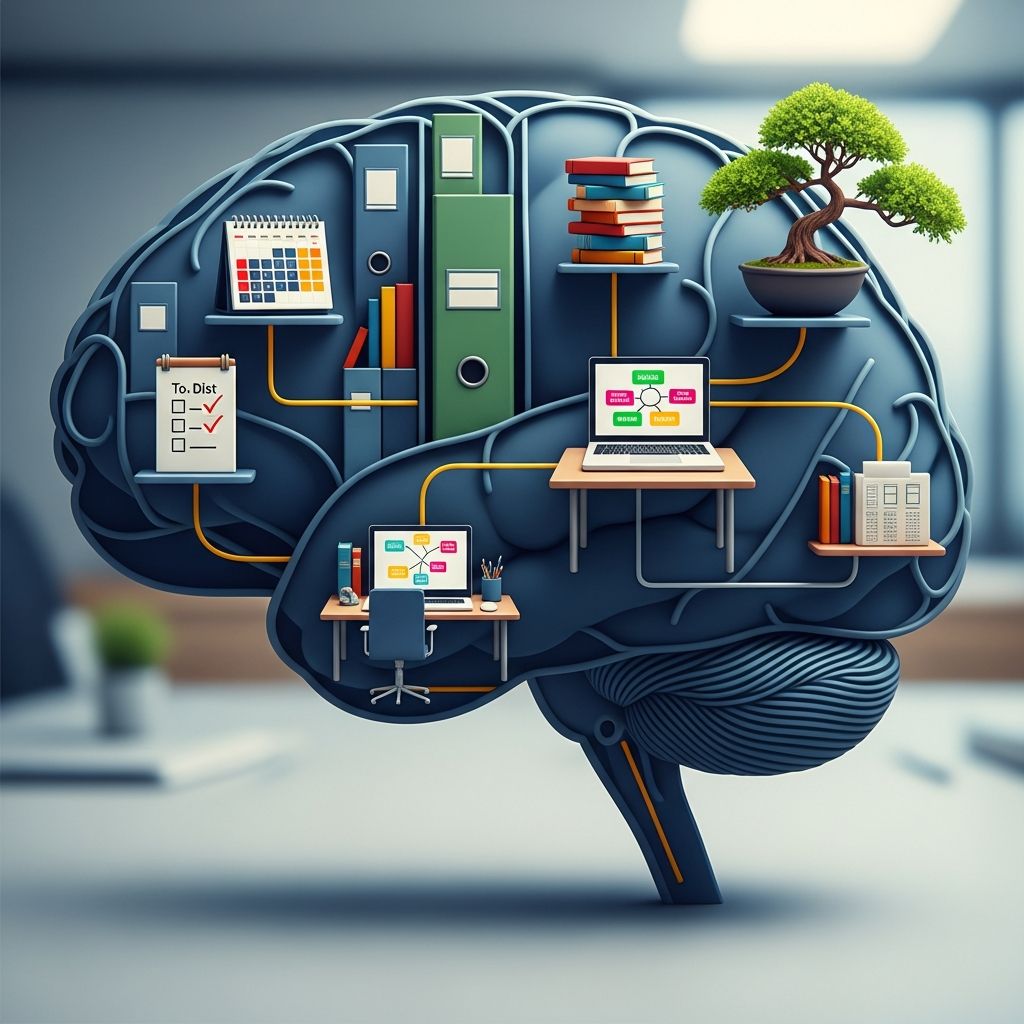
Organizational skills form the backbone of effective personal and professional performance, enabling individuals to manage tasks, resources, and time with precision. These abilities help in creating structured workflows that minimize chaos and maximize output, applicable across various settings from offices to home environments.
Why Organizational Skills Matter in Today’s World
In fast-paced professional landscapes, strong organizational skills directly correlate with higher productivity and job satisfaction. Employees who excel in these areas spend less time searching for information—often reducing wasted effort by up to 25% of their workweek—and focus more on value-adding activities. This efficiency not only boosts individual performance but also enhances team dynamics through better collaboration and deadline adherence.
Organizations benefit immensely as well. Teams with robust organizational practices report improved morale and quality outputs, fostering environments where innovation thrives without the hindrance of disarray. For leaders, these skills are indispensable, signaling reliability and competence to superiors and peers alike.
Core Components of Organizational Proficiency
Organizational skills encompass a range of interconnected abilities. Understanding their types provides a roadmap for development.
- Time Management: Involves scheduling tasks, setting deadlines, and allocating time blocks to ensure balanced workloads.
- Communication: Clear conveyance of ideas and expectations, crucial for teamwork and project alignment.
- Goal Setting: Defining achievable targets using frameworks like SMART to maintain direction.
- Delegation: Assigning tasks based on team strengths to optimize efficiency and prevent burnout.
- Working Under Pressure: Maintaining composure and focus during high-stakes situations.
- Self-Motivation: Driving personal initiative without constant supervision.
- Analytical Thinking: Breaking down complex problems for informed solutions.
- Attention to Detail: Ensuring accuracy to minimize errors.
- Decision-Making: Evaluating options swiftly and effectively.
- Strategic Planning: Long-term resource allocation and foresight.
These elements work synergistically. For instance, effective time management supports strategic planning by freeing up mental space for big-picture thinking.
Practical Techniques to Build Organizational Habits
Developing these skills requires deliberate practice. Start with foundational habits that yield immediate results.
Declutter Your Environment
A tidy workspace—both physical and digital—reduces cognitive load and distractions. Implement a daily 10-minute decluttering routine: sort documents into zones (action, archive, trash), and use tools like file organizers for digital files. This simple step can boost concentration significantly.
Prioritize with Proven Tools
Use the Eisenhower Matrix to categorize tasks by urgency and importance:
| Quadrant | Description | Action |
|---|---|---|
| Urgent & Important | Do immediately | Handle first |
| Important, Not Urgent | Schedule | Plan ahead |
| Urgent, Not Important | Delegate | Assign to others |
| Neither | Eliminate | Remove |
This method ensures focus on high-impact activities.
Leverage Time Blocking
Assign specific time slots for tasks, such as 9-11 AM for deep work. This technique minimizes multitasking and enhances output. Combine with focus timers like Pomodoro (25 minutes work, 5 minutes break) for sustained productivity.
Master Digital Organization
Organize inboxes with folders (e.g., Today, This Week, Waiting For), and use shared calendars for team coordination. Training programs emphasize these for inbox control and reduced overload.
Advanced Strategies for Leaders and Teams
For managerial roles, organizational skills extend to team oversight. Effective delegation involves matching tasks to strengths, providing clear instructions, and following up without micromanaging.
Strategic planning requires detailed calendars, resource audits, and scenario simulations. Leaders who plan ahead schedule meetings weeks in advance and use project timelines to track progress.
In team settings, foster collaboration through regular check-ins and shared tools. Programs like instructor-led sessions with role-playing build these competencies via interactive learning.
Overcoming Common Organizational Challenges
Procrastination, overload, and clutter are frequent hurdles. Counter them by breaking large projects into steps, setting micro-goals, and reviewing progress weekly. Peer learning and action-reflection cycles accelerate improvement.
Digital overwhelm? Adopt zero-inbox policies: process emails immediately (respond, delegate, defer, delete). Physical clutter? Zone your desk: incoming, working, outgoing.
Measuring and Sustaining Progress
Track development using self-assessments. Rate skills on a scale (emerging, proficient, advanced) and set quarterly goals. Tools like competency charts help identify gaps.
Sustaining gains involves routines: weekly planning sessions, monthly audits, and continuous training. Online courses on platforms like Coursera offer structured paths for resilience and adaptability.
Real-World Applications Across Industries
In project management, organizational skills ensure timelines and budgets stay on track. For community organizers, they support campaign planning and member engagement. Training events demand meticulous tracking of logistics and collaboration.
Professionals in any field gain from these skills: reduced stress, career advancement, and work-life balance. Employers prioritize candidates who demonstrate planning, scheduling, and resource allocation on resumes.
Frequently Asked Questions (FAQs)
What are the top organizational skills for beginners?
Focus on time management, goal setting, and workspace organization for quick wins.
How can I improve delegation skills?
Assess team strengths, communicate expectations clearly, and provide feedback loops.
What’s the best tool for task prioritization?
The Eisenhower Matrix excels for distinguishing urgent from important tasks.
Can organizational skills be learned through training?
Yes, courses with simulations, coaching, and role-playing effectively build these abilities.
How do organizational skills impact career growth?
They signal leadership potential, leading to promotions and efficient workload management.
Conclusion: Your Path to Organizational Excellence
By integrating these skills, individuals and teams achieve sustainable productivity. Commit to consistent practice for lasting transformation.
References
- Skill Development Programs to Improve Organization Skills — Heartwise Support. 2023. https://www.heartwisesupport.org/post/skill-development-programs-to-improve-organization-skills
- Organizational Skills Training Course — PD Training. 2024. https://professionaldevelopmenttraining.com/courses/organizational-skills-training-in-atlanta-baltimore-boston-charlotte-chicago-los-angeles-new-york-miami-orlando-philadelphia-seattle-and-us-wide
- Organizational Skills: 10 Types and How To Improve Them — Indeed. 2024-02-06. https://www.indeed.com/career-advice/career-development/organization-skills
- Organizational Skills: What They Are and Why You Need Them — Coursera. 2024. https://www.coursera.org/articles/organizational-skills
- ORGANIZING & ENGAGEMENT CORE SKILLS TOOLKIT — Mel King Institute. 2021-06. https://www.melkinginstitute.org/sites/default/files/2021-06/core_skills_toolkit_macdc_0.pdf
- Organization Skills for the Overwhelmed — SkillPath. 2024. https://skillpath.com/virtual/organization-skills-for-the-overwhelmed
- The Top 10 Organizational Skills for Every Professional — Creately. 2024. https://creately.com/guides/organizational-skills/

- Integrated M.A. in Applied Linguistics, University of Hyderabad
- 5+ years in editorial, instructional, SEO, and research-based writing
Sneha is a relationships and lifestyle writer with a strong foundation in applied linguistics and certified training in relationship coaching. She brings over five years of writing experience to theskillvault, crafting thoughtful, research-driven content that empowers readers to build healthier relationships, boost emotional well-being, and embrace holistic living. Her writing and insights reflect the belief that beauty, happiness, and wellness…