
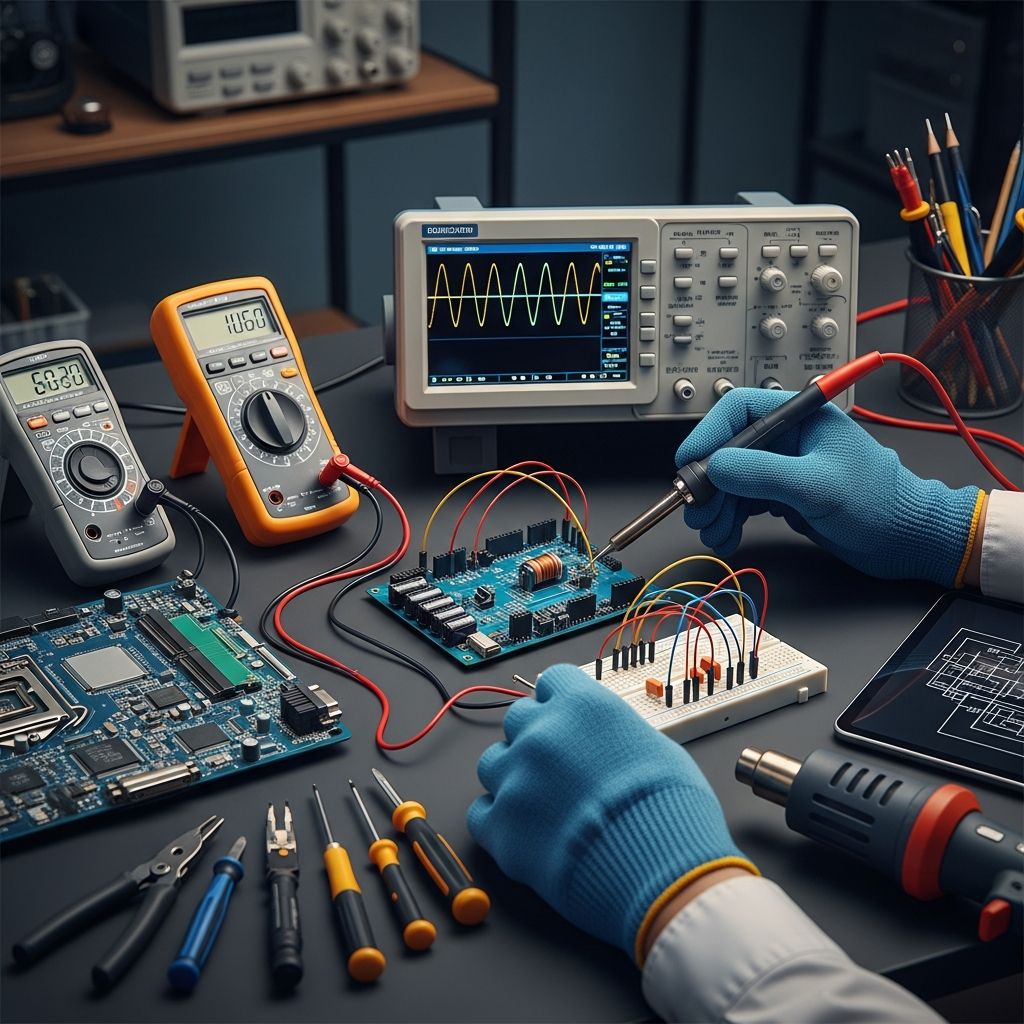
Electronics careers demand a blend of technical proficiency, analytical thinking, and collaborative abilities to design, test, and innovate electronic systems used in everything from consumer gadgets to industrial automation. Professionals in this field create reliable devices that power modern life, requiring mastery over hardware, software integration, and real-world problem-solving.
Foundational Technical Competencies
At the heart of electronics engineering lies a deep understanding of hardware and circuit fundamentals. Engineers must interpret schematics, select components, and ensure systems perform under varied conditions. This expertise enables the development of products like wearable health monitors and automated manufacturing tools.
Key areas include:
- Circuit Design and Analysis: Proficiency in analog and digital circuits, including signal processing techniques like filtering and amplification, is crucial for data transmission and device functionality.
- Embedded Systems Knowledge: Working with microcontrollers and real-time operating systems ensures devices operate efficiently over extended periods, vital for portable medical instruments and home entertainment systems.
- Hardware Configuration: Choosing optimal components for specific applications, from consumer electronics to complex instrumentation, optimizes performance and reliability.
Tools such as PCB design software, oscilloscopes, and function generators are indispensable for simulation, prototyping, and diagnostics.
Advanced Problem-Solving and Testing Expertise
Electronics professionals excel by identifying issues early and iterating solutions. Critical thinking allows engineers to break down complex problems, whether troubleshooting prototypes or enhancing existing systems.
| Skill Area | Description | Applications |
|---|---|---|
| Problem Identification | Detecting faults in systems through systematic analysis | Prototype debugging, system upgrades |
| Testing Protocols | Using specialized equipment to validate performance | Quality assurance in manufacturing, compliance checks |
| Critical Analysis | Evaluating options and predicting outcomes | Innovation in automation and robotics |
Testing knowledge extends to various methods and tools, ensuring products meet safety and efficiency standards before deployment. According to the U.S. Bureau of Labor Statistics, electronics engineers apply these skills across telecommunications, control systems, and more.
Software and Simulation Proficiency
Modern electronics work integrates software tools for efficient design. Engineers use simulation software to model circuits virtually, reducing physical prototyping costs and time.
- Familiarity with PCB editors and signal analyzers accelerates development cycles.
- Programming skills in languages like C++ or Java enhance embedded system capabilities, making candidates stand out.
- O*NET highlights knowledge of computers and electronics as essential for practical engineering applications.
This blend of hardware and software savvy supports roles in rapidly evolving sectors like IoT and AI-driven devices.
Interpersonal and Organizational Strengths
Beyond technical prowess, success hinges on soft skills. Collaboration bridges gaps between mechanical, software, and quality teams, fostering integrated solutions.
Essential soft skills include:
- Communication: Clearly documenting designs and presenting to stakeholders ensures project alignment.
- Attention to Detail: Meticulous oversight prevents errors in intricate designs and regulatory compliance.
- Project Management: Organizing tasks and timelines prepares engineers for leadership, as noted by Indeed’s career advice.
My Next Move emphasizes abilities like verbal communication and logical reasoning for navigating team dynamics and system changes.
Educational Pathways and Certifications
A bachelor’s degree in electrical or electronics engineering forms the baseline, often supplemented by hands-on experience. Practical training through internships or personal projects builds real-world competence.
Valued certifications:
- City & Guilds Level 4+ in Electronic Engineering
- BTEC HNC/HND in Electrical/Electronic Engineering
- IPC Certified Interconnect Designer (CID)
- IET Registered Technician/Engineer
These credentials validate expertise and signal commitment to ongoing learning.
Strategies for Entry-Level Success
Recent graduates can differentiate themselves by showcasing hands-on projects on resumes and staying abreast of trends like advanced semiconductors. Networking via industry events expands opportunities.
- Tailor applications to highlight relevant skills and achievements.
- Pursue internships for exposure to workflows in design and testing.
- Demonstrate versatility across domains like healthcare and transportation.
Advancing to Senior Roles
Senior electronics engineers lead projects, mentor teams, and align technical decisions with business goals. Employers seek proven delivery, leadership, and adaptability to emerging tech.
To progress:
- Deepen specialization in areas like system modeling.
- Build a diverse portfolio through multi-domain projects.
- Hone leadership via volunteering for initiatives and networking.
O*NET data underscores the need for strategic thinking in technology systems.
Industry Applications and Future Outlook
Electronics skills apply broadly: developing robotics, upgrading automation, and enhancing telecommunications. The BLS projects steady demand due to innovation in renewable energy and smart devices.
Challenges like power efficiency and scalability drive the need for adaptable engineers.
Frequently Asked Questions (FAQs)
What degree is required for electronics engineering?
A bachelor’s in electrical or electronics engineering is typically needed, per the BLS.
Are soft skills important for electronics careers?
Yes, communication and teamwork are critical for multidisciplinary projects.
How can I gain practical experience?
Through internships, personal projects, and certifications like IPC CID.
What tools do electronics engineers use daily?
Oscilloscopes, PCB software, and simulation tools for design and testing.
Is programming necessary?
Yes, for embedded systems and integration, especially C++ or Java.
References
- Skills Needed to Become An Electronics Engineer — Hexwired. 2023. https://hexwired.com/skills-needed-to-become-an-electronics-engineer/
- Electronic Engineer Skills: Definition, Examples and Development — Indeed. 2024-01-15. https://www.indeed.com/career-advice/career-development/electronic-engineer-skills
- 10 Intangible Skills That Are in Demand for Electronics Engineers — Chipedge. 2023. https://chipedge.com/resources/10-intangible-skills-that-are-in-demand-for-electronics-engineers/
- Electronics Engineers at My Next Move — O*NET OnLine / My Next Move. 2025. https://www.mynextmove.org/profile/summary/17-2072.00
- Electrical and Electronics Engineers — U.S. Bureau of Labor Statistics. 2025-04-17. https://www.bls.gov/ooh/architecture-and-engineering/electrical-and-electronics-engineers.htm
- 17-2072.00 – Electronics Engineers, Except Computer — O*NET OnLine. 2025. https://www.onetonline.org/link/summary/17-2072.00

- Integrated M.A. in Applied Linguistics, University of Hyderabad
- 5+ years in editorial, instructional, SEO, and research-based writing
Sneha is a relationships and lifestyle writer with a strong foundation in applied linguistics and certified training in relationship coaching. She brings over five years of writing experience to theskillvault, crafting thoughtful, research-driven content that empowers readers to build healthier relationships, boost emotional well-being, and embrace holistic living. Her writing and insights reflect the belief that beauty, happiness, and wellness…