
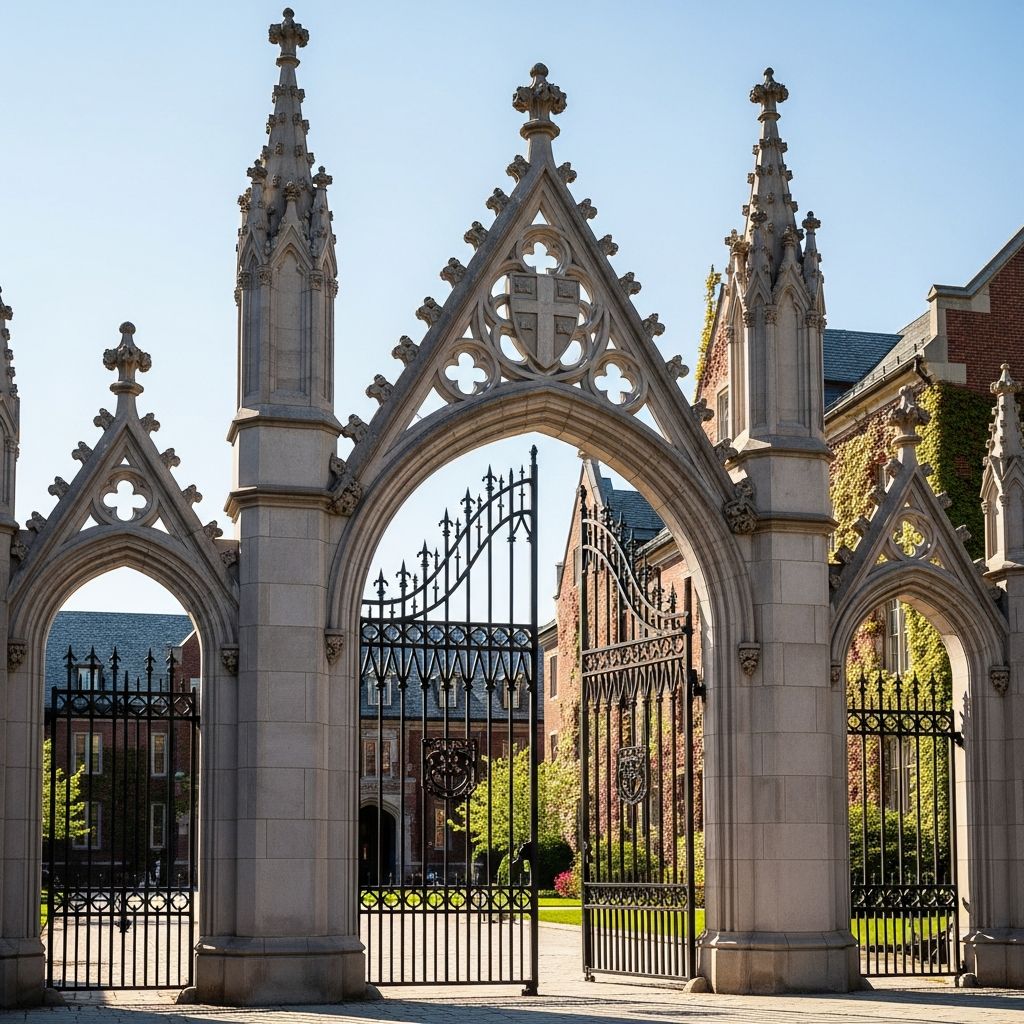
Securing a spot at Harvard University represents one of the most formidable pursuits in higher education. With acceptance rates dipping below 4% in recent years, the process demands exceptional preparation, unique strengths, and a bit of strategic timing. This comprehensive guide delves into the latest admissions data, evolving trends, and actionable advice drawn from official records and analyses.
Recent Acceptance Rates: A Record of Extreme Selectivity
Harvard’s admissions landscape has grown increasingly competitive, marked by surging applicant pools and minuscule acceptance percentages. For the Class of 2026, Harvard received 61,220 applications and admitted just 1,954 students, yielding a historic low of 3.2% acceptance rate. This figure edged down from 3.4% for the prior class, reflecting a 6.6% rise in applications amid test-optional policies during the pandemic.
The trend persisted into subsequent years. The Class of 2027 saw 56,937 applicants with 1,942 admits (3.41%), while Class of 2028 had 54,008 applications and 1,937 offers (3.58%). Estimates for Class of 2029 place the rate at 3.63% from around 53,700 applicants, showing a slight stabilization after peak volumes. These numbers underscore Harvard’s position as the nation’s most selective institution, where even stellar qualifications rarely guarantee entry.
| Class Year | Applicants | Admitted | Acceptance Rate | Yield Rate |
|---|---|---|---|---|
| 2029* | 53,700 | 1,950 | 3.63% | N/A |
| 2028 | 54,008 | 1,937 | 3.58% | N/A |
| 2027 | 56,937 | 1,942 | 3.41% | 83.7% |
| 2026 | 61,221 | 1,984 | 3.2% | 83% |
| 2025 | 57,786 | 2,318 | 4.0% | 84.2% |
| *Estimated. Source: Harvard OIRA Fact Book and admissions analyses | ||||
Yield rates— the percentage of admitted students who enroll—hover above 83%, signaling Harvard’s unparalleled draw. For Class of 2026, 83% of admits matriculated, down slightly from 85% the previous year but still elite.
Early Action vs. Regular Decision: Timing Matters
Harvard’s Restrictive Early Action (REA) provides a notable edge. For Class of 2026, 9,406 applied early, with 740 admitted (7.87% rate), comprising about 37.9% of total admits. This compares to a Regular Decision (RD) rate of roughly 2.3% from 51,814 applicants.
Recent data reinforces this pattern: Class of 2027 REA rate at 7.6% (722/9,553), Class of 2028 at 8.7% (692/7,921), and Class of 2029 estimated at 9.2% (640/6,950). REA binds applicants not to enroll but restricts applying early elsewhere. It’s ideal for top performers confident in their profiles.
| Class | REA Apps | REA Admits | REA Rate | % of Total Admits |
|---|---|---|---|---|
| 2029* | 6,950 | 640 | 9.2% | 32.8% |
| 2028 | 7,921 | 692 | 8.7% | 35.7% |
| 2027 | 9,553 | 722 | 7.6% | 37.2% |
| 2026 | 9,406 | 740 | 7.9% | 37.9% |
| *Estimated | ||||
Post-pandemic, REA applications declined from pandemic highs, yet the advantage endures. RD remains brutally competitive, admitting the bulk of the class but from a larger, more diluted pool.
Demographic Shifts in Harvard’s Incoming Classes
Harvard prioritizes diversity, evident in Class of 2026 stats: women at a record 55% (up 3 points), Asian Americans at 27.6% (new high), first-generation students near 12%, and 10.8% Pell Grant eligible. Native American and Hawaiian representation also hit records.
- First-Gen Students: 12% of early admits, down from 16.7% prior year but still prominent.
- Low-Income: 10.8% Pell-eligible, highlighting need-based access.
- Gender Balance: Female majority at 55%, shifting from historical male leans.
- Racial/Ethnic: Asian American surge amid legal scrutiny on admissions practices.
These shifts reflect holistic review, weighing background alongside academics. Recent classes show steady internationalization and socioeconomic diversity gains.
What Admissions Officers Prioritize: Beyond Perfect Scores
Grades and tests set the baseline—most admits boast near-perfect GPAs and top SAT/ACT scores where submitted. Yet Harvard seeks ‘whole person’ excellence: intellectual vitality, character, extracurricular impact, and personal essays revealing authenticity.
Key factors include:
- Academic Rigor: AP/IB coursework, with context for school offerings.
- Extracurriculars: Depth over breadth—national awards, founding ventures, or community leadership.
- Essays & Recommendations: Compelling narratives and teacher insights on growth.
- Legacy/Hooks: While influential, they comprise a minority; athletes, underrepresented minorities, and dean’s list add edges.
Post-affirmative action ruling, emphasis on socioeconomic factors and personal context intensified.
Navigating the Application Process: Step-by-Step
Applications open August, with REA due November 1 and RD January 1. Required: Common App, transcripts, two teacher recs, counselor report, midyear report.
- Start Early: Build portfolio sophomore year; seek unique opportunities.
- Test Strategically: SAT/ACT reinstated; aim 1550+ SAT or 35+ ACT.
- Craft Narrative: Supplements ask ‘How will you contribute?’—be specific.
- Interviews: Optional alumni chats; prepare thoughtful questions.
- Financial Aid: Need-blind; apply via CSS Profile/FAFSA.
Waitlist? Send updates; 75 enrolled from it recently.
Strategies to Maximize Your Odds
- Apply REA if Ready: Higher rate without binding commitment.
- Demonstrate Impact: Quantify achievements (e.g., ‘Led team raising $50K’).
- Show Passion: Pursue niche interests deeply.
- Leverage Hooks: If applicable, highlight athletics, research, arts.
- Polish Essays: Multiple drafts; avoid cliches.
Avoid common pitfalls: generic activities, score obsession, or ignoring fit.
Life After Rejection: Strong Alternatives
Harvard rejects 96%+; many thrive elsewhere. Consider peer Ivies (Yale 4.5%, Princeton 5.7%), liberal arts colleges, or gap years for reapplication. Transfer acceptance, though rare (1%), succeeds for high achievers.
Frequently Asked Questions
What is Harvard’s lowest acceptance rate ever?
3.2% for Class of 2026 from 61,221 applicants.
Does early action improve chances?
Yes, REA rates ~8-9% vs. RD ~2-3%.
Is Harvard test-optional now?
No, SAT/ACT required again, contributing to applicant dips.
How diverse is the Class of 2026?
55% women, 27.6% Asian American, 12% first-gen, record minorities.
Can legacy students get in easier?
They have advantage but still face low odds amid holistic review.
References
- Harvard College Admits Class of 2026 — Harvard Magazine. 2022-03. https://www.harvardmagazine.com/2022/03/harvard-college-class-2026-admissions
- Harvard Admits 3.19 Percent of Applicants to the Class of 2026 — College Kickstart. 2022-03-31. https://www.collegekickstart.com/blog/item/harvard-admits-3-19-percent-of-applicants-to-the-class-of-2026
- Harvard University Class of 2026 Early Action Statistics — Ivy Coach. N/A. https://www.ivycoach.com/the-ivy-coach-blog/ivy-league/harvard-university-class-of-2026-early-action-statistics/
- 83 Percent of Admitted Students to Join Harvard College Class of 2026 — Harvard Crimson. 2022-07-07. https://www.thecrimson.com/article/2022/7/7/class-of-2026-yield-data/
- Harvard University Acceptance Rates for the Class of 2029 — Crimson Education. 2024-09-27. https://www.crimsoneducation.org/us/blog/harvard-acceptance-rate
- Fact Book: College Admissions — Harvard OIRA. N/A. https://oira.harvard.edu/factbook/fact-book-admissions/
- Admissions Statistics — Harvard College. N/A. https://college.harvard.edu/admissions/admissions-statistics

- Integrated M.A. in Applied Linguistics, University of Hyderabad
- 5+ years in editorial, instructional, SEO, and research-based writing
Sneha is a relationships and lifestyle writer with a strong foundation in applied linguistics and certified training in relationship coaching. She brings over five years of writing experience to theskillvault, crafting thoughtful, research-driven content that empowers readers to build healthier relationships, boost emotional well-being, and embrace holistic living. Her writing and insights reflect the belief that beauty, happiness, and wellness…