
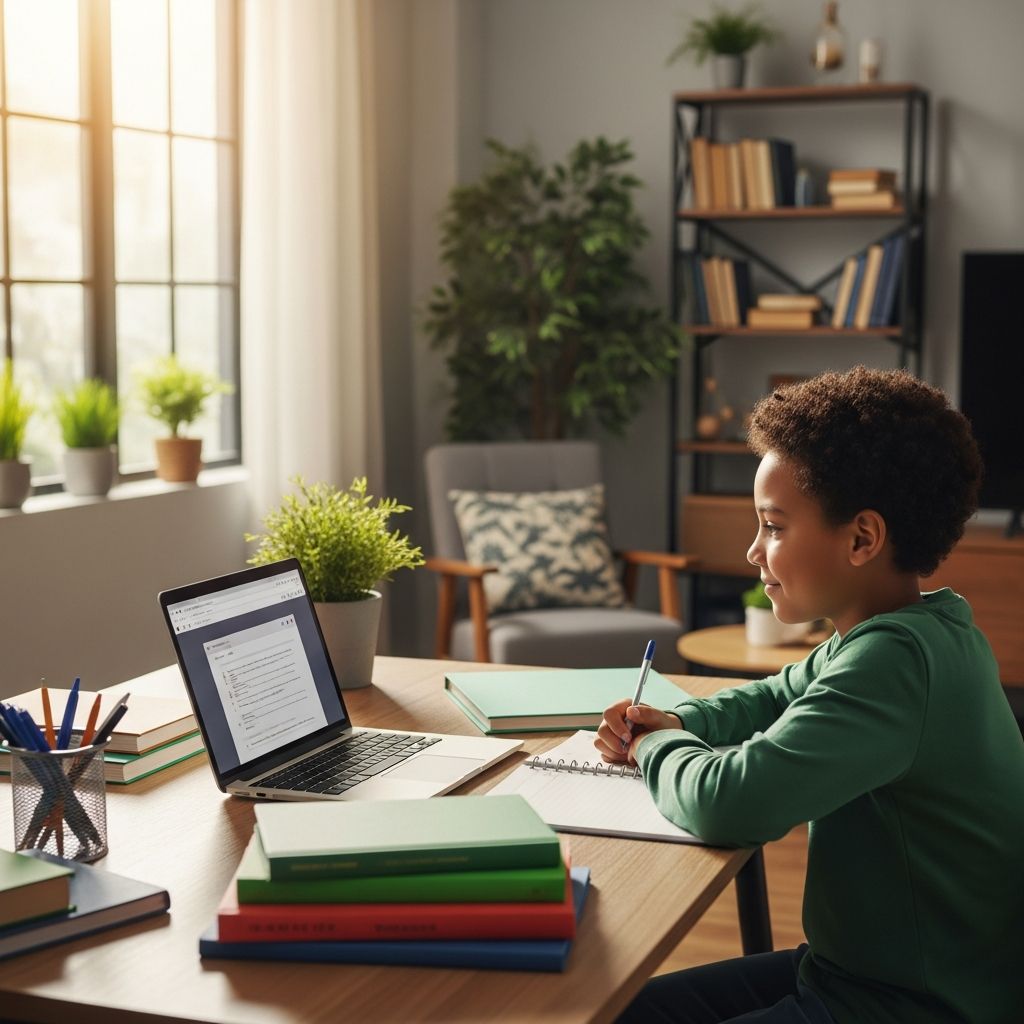
Transitioning from traditional public schooling to homeschooling midway through the academic year can offer significant advantages for many families, particularly when public schools fail to meet a child’s unique needs. This shift allows for personalized pacing, reduced stress, and tailored curricula that align with family values and individual learning styles.
Academic Performance: Where Homeschooling Shines
Homeschooled students consistently demonstrate superior academic outcomes compared to their public school peers on standardized assessments. Research shows they score 15 to 25 percentile points higher on average, with SAT averages reaching 1190 versus 1060 for public school students. This gap persists across metrics like ACT scores (26.5 for homeschoolers vs. 21 for public schoolers) and college GPAs (3.41 vs. 3.12).
College attendance rates further highlight this edge: 74% of homeschooled graduates pursue higher education, compared to 44% from public schools, with 67% completing degrees versus 59%. These results stem from individualized instruction in homeschool environments, where student-teacher ratios approach 1:1 or 2:1, far better than the public school average of 16:1.
| Metric | Homeschool | Public School |
|---|---|---|
| Average SAT Score | 1190 | 1060 |
| Average ACT Score | 26.5 | 21 |
| College Acceptance Rate | 87% | 68% |
| First-Year College GPA | 3.41 | 3.12 |
While public high school graduation rates stand at 91% versus 66.7% for homeschoolers, this discrepancy often reflects differing definitions of ‘graduation’ rather than academic deficiency, as homeschool families prioritize mastery over timelines.
Flexibility and Personalized Learning Paths
One of the strongest draws of a mid-year switch is the flexibility homeschooling provides. Public schools enforce rigid 6-8 hour days with standardized curricula, while homeschoolers dedicate just 3-5 hours to formal learning, freeing time for real-world exploration and family priorities. This adaptability suits families facing travel, health issues, or unique schedules.
- Custom Pacing: Advance quickly in mastered subjects or provide extra support where needed, unlike the one-size-fits-all public model.
- Values Integration: Incorporate family beliefs, faith, or specialized philosophies directly into lessons.
- Stress Reduction: Eliminate peer pressure, bullying, and high-stakes testing anxiety common in public settings.
For students with special needs or gifted abilities, this personalization prevents the oversight that occurs in large classrooms.
Socialization and Emotional Well-Being
A common concern is socialization, yet studies reveal homeschooled children often exhibit stronger peer interactions and psychological health than public school students. Public schools expose kids to diverse backgrounds but also cliques, conflicts, and limited independence development.
Homeschoolers build social skills through co-ops, sports, community groups, and family networks, fostering confidence without daily pressures. Parental involvement, a homeschool hallmark, correlates with higher test scores and emotional resilience.
Financial and Resource Considerations
Homeschooling proves cost-effective, averaging $700-$1,800 per child annually versus $12,612 for public schools. While public institutions offer labs, libraries, and certified specialists, homeschool families access online resources, curricula, and local enrichments at lower costs.
Public schools excel in structured extracurriculars—80% participation in sports and clubs—but homeschoolers match this through flexible community involvement.
Challenges of a Mid-Year Transition
Making the switch demands preparation. Parents must navigate accountability, as they become the primary enforcers of progress, unlike public teachers who manage discipline. Initial adjustment periods may involve routine establishment and motivation hurdles.
- Legal Requirements: Research state homeschool laws for notification, testing, and record-keeping.
- Curriculum Selection: Choose aligned materials, possibly blending online programs for structure.
- Social Gaps: Proactively schedule activities to maintain peer connections.
High school graduation nuances require planning transcripts and college applications carefully.
Signs Your Child Needs a Change Now
Not every family should switch mid-year, but clear indicators include chronic academic struggles, bullying, mismatched pacing, or health declines unresponsive to public school interventions. If daily school causes dread or stalled growth, homeschooling’s flexibility can reignite passion.
Practical Steps for a Smooth Switch
- Assess Readiness: Evaluate your child’s needs, your availability, and family support.
- Research Options: Explore virtual academies for certified teacher access and socialization.
- Notify Authorities: Withdraw officially and file homeschool intent per state rules.
- Build a Schedule: Start with a trial week to test routines.
- Monitor Progress: Use assessments to track gains and adjust.
Many families report rapid improvements in engagement post-transition.
Long-Term Outcomes and College Success
Homeschool graduates thrive in higher education, with higher GPAs (3.46 vs. 3.16) and completion rates (66.7% vs. 57.5%). Employers value their self-motivation and adaptability. A mid-year pivot positions students for these trajectories sooner.
Common Myths Debunked
- Myth: Homeschoolers Lack Social Skills. Reality: They often have healthier interactions.
- Myth: Public Schools Guarantee Better Resources. Reality: Personalization trumps volume.
- Myth: Homeschooling Harms College Prospects. Reality: Data shows the opposite.
FAQs
Is mid-year switching disruptive?
It can be initially, but structured plans minimize chaos, often leading to quick adaptation.
How do homeschoolers handle high school diplomas?
Families issue transcripts; many states accept parent diplomas, with colleges accommodating homeschoolers seamlessly.
What about sports and clubs?
Access varies by state; homeschoolers join community teams or co-op programs effectively.
Can working parents homeschool?
Yes, via online schools with teacher-led classes or part-time models.
What’s the biggest benefit?
Tailored education boosting achievement and well-being.
References
- Public School vs. Homeschool Statistics: A Comprehensive Analysis — Crown Counseling. 2024. https://crowncounseling.com/statistics/public-school-vs-homeschool/
- Homeschool vs Public School: Key Differences Explained — Common Sense Press. 2024. https://commonsensepress.com/homeschool-vs-public-school-a-complete-comparison/
- Homeschooling vs Public School — iHomeschool Network. 2024. https://ihomeschoolnetwork.com/homeschooling-vs-public-school/
- Homeschool vs Public School — Classical Conversations. 2024. https://classicalconversations.com/blog/homeschool-vs-public-school/
- Fast Facts on Homeschooling — National Home Education Research Institute (NHERI). 2010 (updated relevance confirmed in recent citations). https://www.nheri.org/research-facts-on-homeschooling/
- Is Homeschool Better? Pros, Cons & a Flexible School Alternative — Xceed Prep. 2024. https://www.xceedprep.org/is-homeschool-better/

- Integrated M.A. in Applied Linguistics, University of Hyderabad
- 5+ years in editorial, instructional, SEO, and research-based writing
Sneha is a relationships and lifestyle writer with a strong foundation in applied linguistics and certified training in relationship coaching. She brings over five years of writing experience to theskillvault, crafting thoughtful, research-driven content that empowers readers to build healthier relationships, boost emotional well-being, and embrace holistic living. Her writing and insights reflect the belief that beauty, happiness, and wellness…