
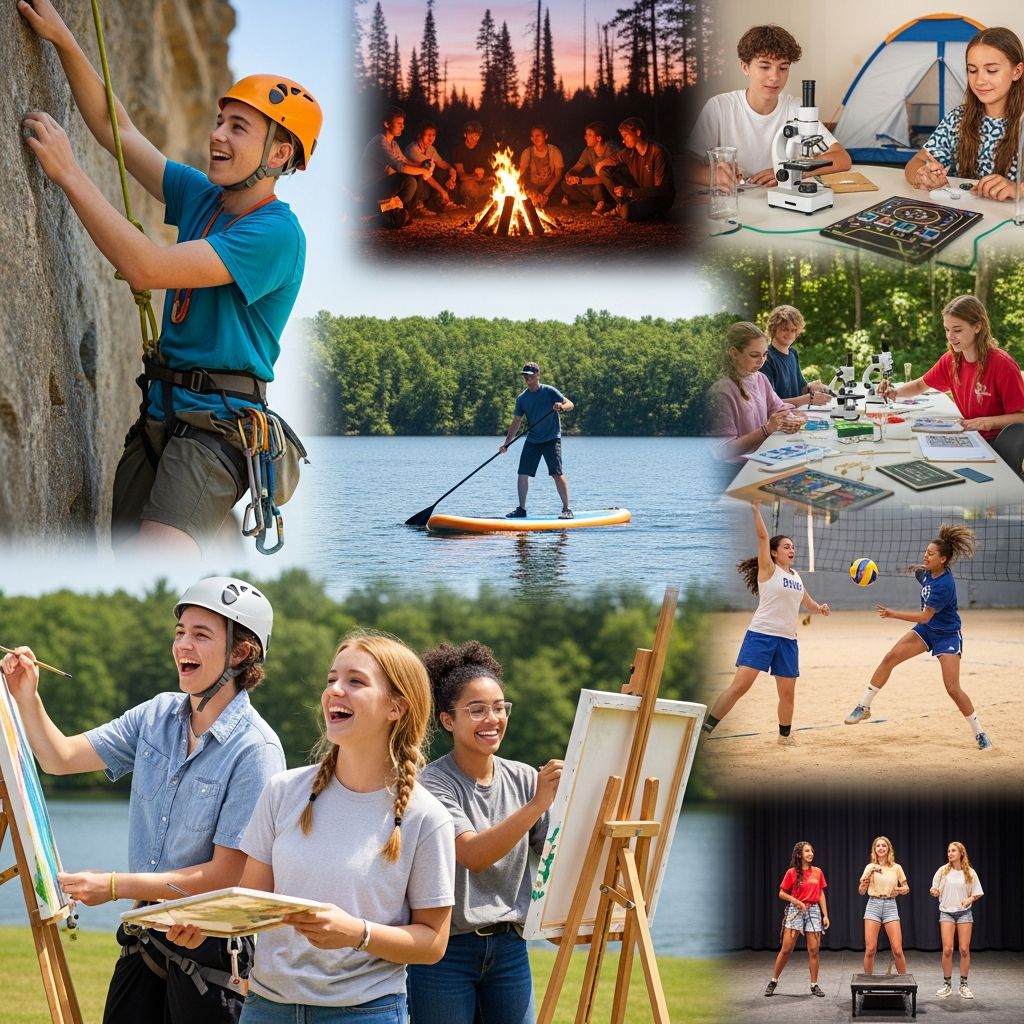
Summer camps tailored for teenagers offer unparalleled opportunities for growth, adventure, and connection. These programs help teens build essential life skills while creating lasting memories away from daily routines.
Why Teen Summer Camps Matter for Development
Teen summer camps stand out as vital environments for holistic development. They provide structured yet flexible settings where adolescents can explore interests, foster independence, and enhance social competencies. Research highlights how such programs promote safety, physical health, mental well-being, and academic progress through engaging activities. Camps encourage stepping beyond comfort zones, leading to boosted self-esteem and resilience.
For teenagers navigating academic pressures and digital overload, camps serve as a refreshing reset. They facilitate real-world interactions, reducing screen time and alleviating associated anxiety. Programs often emphasize outdoor pursuits, teamwork, and personal challenges that translate to long-term benefits in leadership and emotional regulation.
Key Benefits Driving Lasting Impact
- Personal Discovery: Teens experiment with diverse pursuits like climbing or arts, uncovering hidden talents and building confidence.
- Social Connections: Forming bonds with peers from varied backgrounds strengthens communication and empathy skills.
- Independence Growth: Managing daily schedules and decisions away from home cultivates self-reliance.
- Physical and Mental Health: Active adventures improve fitness while nature immersion supports emotional balance.
- Leadership Foundations: Opportunities to guide peers develop decision-making and responsibility.
Essential Criteria for Selecting the Ideal Camp
Choosing the right camp requires evaluating alignment with your teen’s needs and goals. Prioritize accreditation from bodies like the American Camp Association to ensure safety standards and quality programming. Consider camp duration—short sessions for beginners or extended stays for immersive experiences.
| Factor | Questions to Ask | Why It Matters |
|---|---|---|
| Location | Overnight or day? Nearby or distant? | Impacts independence level and travel logistics. |
| Activities | Does it offer sports, arts, adventures? | Matches teen’s interests for engagement. |
| Staff Ratio | Camper-to-counselor numbers? | Ensures supervision and personalized attention. |
| Cost | Includes extras like trips? | Balances value with budget constraints. |
Review past camper feedback and visit virtually if possible. Specialized camps focusing on adventure or skills like Ondessonk’s programs excel in targeted growth areas.
Matching Camps to Your Teen’s Personality
Introverted teens may thrive in smaller, activity-focused camps promoting gradual social integration. Outgoing individuals benefit from high-energy group challenges that leverage their strengths. Assess prior experiences: returning campers might seek leadership roles, while newcomers need supportive onboarding.
Gender-specific or co-ed options influence dynamics—traditional single-gender camps often foster deeper same-age bonds, per camp operators. Align with developmental stages; mid-teens (14-15) gain from skill-building, older ones (16-18) from advanced leadership.
Preparation Steps for a Smooth Launch
Start early: applications fill quickly, so research by winter. Involve your teen in decisions to build excitement and ownership. Pack practically—durable clothing, essentials like sunscreen, and minimal tech to embrace the unplugging ethos.
Discuss expectations: highlight growth opportunities over perfection. Practice skills like packing or basic first aid at home. Emotional prep includes role-playing goodbyes to ease separation anxiety. Health forms must be current, including allergies and medications.
Health and Safety Priorities
Reputable camps enforce rigorous protocols: background-checked staff, 24/7 medical access, and emergency plans. Verify water safety certifications for aquatic activities and adventure risk assessments. Mental health support, like counselor check-ins, addresses homesickness promptly.
Encourage hydration, sun protection, and activity-appropriate gear. Camps promote inclusivity, accommodating diverse needs from dietary restrictions to physical abilities.
Navigating Logistics and Budgets
Transportation varies—shuttle services or parent drop-offs. Budget for $500-$5000+ depending on length and prestige; scholarships from organizations like YMCA aid accessibility. Compare inclusions: meals, equipment, excursions.
Timing aligns with school breaks; multi-week options maximize immersion. Post-camp extensions like family trips sustain momentum.
Packing Smart for Adventure-Ready Teens
- Clothing: Layers, rain gear, sturdy shoes, swimwear.
- Essentials: Reusable water bottle, medications, personal toiletries.
- Toiletries: Bug spray, lip balm, laundry bag.
- Fun Items: Journal, deck of cards, photos from home.
- Avoid: Excess electronics, valuables, inappropriate attire.
Label everything; camps provide lists. Focus on functionality for active days.
On-Site Strategies for Maximum Enjoyment
Encourage full participation—new activities spark growth. Build cabin rapport through shared chores and late-night talks. Seek leadership: volunteer for roles like trip leader.
Handle conflicts calmly with counselors; view challenges as skill-builders. Capture memories via group photos, not phones. Embrace routines for rhythm and belonging.
Managing Homesickness and Challenges
Normal for first-timers, it peaks early then fades with engagement. Pre-camp letters from home comfort without overwhelming. Counselors use techniques like buddy systems.
For ongoing issues, structured outlets like journaling help. Most overcome it, emerging stronger.
Specialized Camp Experiences for Unique Growth
Adventure camps build resilience via hiking, biking. Arts-focused nurture creativity. Leadership programs like junior counselor roles prepare for futures. STEM camps blend fun with learning. Choose based on passions for optimal impact.
Post-Camp Integration and Reflection
Debrief: discuss highlights, lessons. Maintain friendships via letters or reunions. Apply skills—share camp stories in school applications. Track growth in journals for college essays. Plan next summers strategically.
FAQs
What age is best for teen camps?
Typically 13-18, with programs scaling by maturity.
Are tech-free camps beneficial?
Yes, they enhance real interactions and mental health.
How to handle bullying concerns?
Accredited camps have zero-tolerance policies and mediation.
Can shy teens succeed?
Absolutely, supportive environments build confidence gradually.
What’s the ROI on camp?
Lifelong skills in independence, social savvy, and resilience.
References
References
- Top 10 Benefits of Summer Camp for Teenagers: Building Skills and Making Memories — Camp Kamaji. 2023. https://kamaji.com/top-10-benefits-of-summer-camp-for-teenagers-building-skills-and-making-memories/
- Top Benefits of Summer Camp for Teens — Camps ‘R’ Us. 2024. https://www.campsrus.org/benefits-of-summer-camp/
- 9 Undeniable Benefits of Summer Camp for Teens — Cincinnati Family Magazine. 2023. https://cincinnatifamilymagazine.com/9-undeniable-benefits-of-summer-camp-for-teens/
- The Importance of Summer Camp for Teenagers: Personal Growth, Spiritual Development, and Leadership Skills — Camp Ondessonk. 2024. https://ondessonk.com/the-importance-of-summer-camp-for-teenagers-personal-growth-spiritual-development-and-leadership-skills/
- Nine Benefits of Summer Camp — YMCA of Central Kentucky. 2023. http://ymcacky.org/blog/nine-benefits-summer-camp
- Summer Camps and Their Impact on Youth Development — Kesem. 2024. https://www.kesem.org/post/summer-camp-programming-models-their-role-and-impact-on-youth-development
- Lessons from Camp — Harvard Graduate School of Education. 2016-07-16. https://www.gse.harvard.edu/ideas/usable-knowledge/16/07/lessons-camp
- The Value of Camp — American Camp Association. 2024. https://www.acacamps.org/parents-families/benefits-camp/value-camp
- How Do Summer Programs Influence Outcomes for Children and Youth? — National Center for Biotechnology Information (NCBI). 2020. https://www.ncbi.nlm.nih.gov/books/NBK552656/

- Integrated M.A. in Applied Linguistics, University of Hyderabad
- 5+ years in editorial, instructional, SEO, and research-based writing
Sneha is a relationships and lifestyle writer with a strong foundation in applied linguistics and certified training in relationship coaching. She brings over five years of writing experience to theskillvault, crafting thoughtful, research-driven content that empowers readers to build healthier relationships, boost emotional well-being, and embrace holistic living. Her writing and insights reflect the belief that beauty, happiness, and wellness…