
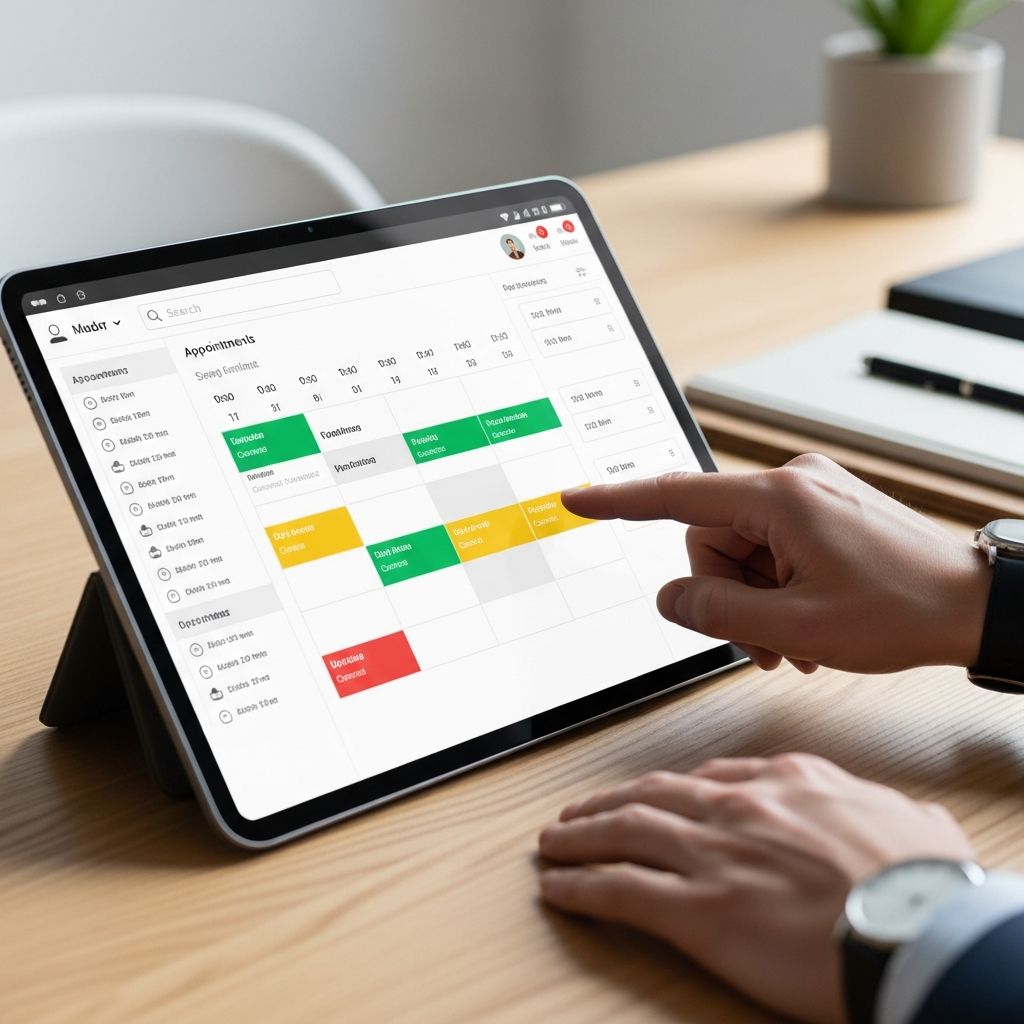
In today’s digital landscape, an appointment scheduling platform serves as a critical touchpoint between businesses and their customers. A well-designed booking system can significantly enhance operational efficiency, improve customer satisfaction, and ultimately drive revenue growth. This comprehensive guide explores the fundamental principles and practical strategies for developing a reservation platform that meets modern business demands.
Understanding the Role of Modern Booking Solutions
Appointment scheduling platforms have evolved from simple calendar systems into sophisticated tools that integrate multiple business functions. These systems now manage not just reservations, but also payment processing, customer communications, and operational analytics. The importance of selecting or building the right platform cannot be overstated, as it directly influences how customers perceive your business from their very first interaction.
The primary purpose of a modern booking solution extends beyond basic appointment management. It serves as a channel for capturing customer information, processing payments securely, managing organizational resources, and generating valuable business insights. Organizations across hospitality, healthcare, service industries, and professional services rely heavily on these systems to maintain competitive advantage.
Foundation Elements: What Every Platform Needs
Before diving into advanced features, understanding the foundational components of a successful booking system is essential. These basic elements form the backbone upon which all other functionality depends.
Interface Design and Usability
The user interface represents the first impression customers have of your business. An intuitive, visually appealing interface that guides users through the booking process with minimal friction is non-negotiable. The design should prioritize clarity, reduce cognitive load, and eliminate unnecessary steps that might cause customers to abandon their reservations.
Navigation should feel natural and logical, with clear calls-to-action that guide users toward completing their booking. Visual hierarchy should emphasize the most important elements, such as the booking form and confirmation details. Consistency in design across all pages and devices reinforces professionalism and builds user confidence.
Cross-Device Compatibility
With the majority of online interactions now occurring on mobile devices, ensuring your booking platform functions seamlessly across all screen sizes is paramount. Mobile responsiveness isn’t merely a nice-to-have feature—it’s a fundamental requirement that directly impacts conversion rates and customer satisfaction.
A mobile-friendly platform allows customers to make reservations on-the-go, increasing accessibility and convenience. The booking process should be optimized for touch navigation, with appropriately sized buttons and readable text. Load times should be minimized to prevent user frustration on mobile networks.
Core Functional Features
Beyond aesthetics, your booking system must deliver specific operational capabilities that ensure smooth reservation management and positive customer experiences.
Real-Time Availability Management
One of the most critical features of any booking platform is the ability to display accurate, up-to-the-minute availability information. This prevents the common problem of double-bookings and ensures customers always see current options when making their reservations.
Real-time availability systems must update instantly across all customer-facing interfaces whenever a booking is made, cancelled, or modified. This requires robust backend systems that can handle concurrent requests and maintain data consistency. For businesses with multiple locations or complex scheduling requirements, implementing a sophisticated inventory management system becomes essential.
Flexible Calendar Interface
Customers should be able to easily browse available dates and times that suit their preferences. A well-designed calendar interface presents available slots clearly while preventing selection of unavailable time periods. The calendar should support various viewing modes—monthly, weekly, or daily—to accommodate different customer preferences and booking patterns.
The calendar system must also account for business-specific scheduling rules, such as operating hours, staff availability, service duration, and buffer times between appointments. Color-coding or visual indicators can help customers quickly identify available versus booked slots.
Instant Confirmation and Communication
Once a customer completes a booking, they should receive immediate confirmation through their preferred communication channel. Automated confirmation emails or SMS notifications provide reassurance that their reservation has been secured and serve as a reference record for future communication.
Beyond initial confirmation, automated reminder systems significantly reduce no-show rates. Sending reminders at strategic intervals—typically 24 hours and 1 hour before the appointment—keeps customers engaged and improves attendance rates, which directly impacts business revenue.
Payment Processing and Security
Integrating secure payment processing is essential for businesses that require upfront payment or deposits. The payment gateway must support multiple payment methods to accommodate diverse customer preferences, including credit cards, digital wallets, and alternative payment systems.
Security cannot be compromised in this area. Payment systems must comply with industry standards such as PCI DSS (Payment Card Industry Data Security Standard) to protect customer financial information. Transparent communication about security measures builds customer trust and encourages confident transactions.
Advanced Features That Differentiate Platforms
While foundational features ensure basic functionality, advanced features enable businesses to provide exceptional experiences and optimize operations.
Customer Management Capabilities
Building a comprehensive customer database within your booking system unlocks numerous advantages. Features such as customer segmentation, booking history tracking, and preference storage enable personalized service delivery. Staff can quickly identify returning customers and access their previous preferences, creating a more tailored experience.
Guest management features that include notes, dietary restrictions, special occasions, or communication preferences transform how businesses interact with customers. This information-rich approach to customer relationships drives loyalty and encourages repeat business.
Customizable Booking Forms and Workflows
Different business types require different information during the booking process. A flexible booking form system allows you to collect exactly the information you need while maintaining a streamlined user experience. Custom fields might include dietary restrictions, preferred seating locations, party composition, or service preferences.
The ability to disable or enable specific fields for different booking types or customer segments ensures relevance without overwhelming users with unnecessary questions. This customization should extend to form styling and terminology to match your brand voice and industry conventions.
Promotional and Discount Management
Integration of voucher codes, discount promotions, and loyalty incentives directly influences booking conversion rates and customer acquisition costs. The system should support various promotional mechanisms, from percentage discounts to fixed-price reductions, with clear rules about when and how promotions apply.
Tracking promotional performance through the booking system provides valuable data for marketing optimization. Understanding which promotions drive the most bookings and which customer segments respond to specific offers enables data-driven marketing decisions.
Calendar Synchronization
Integration with external calendar systems such as Google Calendar and Outlook ensures that bookings made through your platform automatically reflect in staff calendars and vice versa. This prevents scheduling conflicts and ensures all team members have access to current appointment information.
Two-way synchronization means that when staff members block time in their personal calendars, those slots automatically become unavailable for customer bookings, eliminating conflicts before they occur.
Analytical Insights and Reporting
A sophisticated booking platform provides more than just reservation management—it generates valuable business intelligence. Analytics tools track key performance metrics such as booking conversion rates, revenue by time period, customer acquisition sources, and cancellation patterns.
Reporting capabilities enable data-driven decision-making in areas such as staffing levels, promotional effectiveness, and capacity planning. Understanding when peak booking periods occur helps optimize resource allocation. Analyzing cancellation patterns reveals whether specific time slots or services have higher abandonment rates that require attention.
Integration with Business Systems
A modern booking platform rarely operates in isolation. Seamless integration with existing business systems multiplies its value and reduces manual data entry requirements.
Operational System Integration
For service-based businesses, especially restaurants and hospitality providers, the booking system must synchronize with actual capacity constraints and resource availability. Real bookings in the system should always reflect true operational capacity, preventing overselling and service quality issues.
CRM and Customer Data Integration
Exporting customer information to CRM systems and other business tools enables comprehensive customer relationship management. This integration ensures that customer service teams have complete contact history and booking records, enabling more informed and personalized interactions.
Technical Architecture Considerations
Building a robust booking platform requires thoughtful technical decisions that balance functionality, scalability, and security.
Technology Stack Selection
The underlying technology choices significantly impact system performance, maintainability, and future scalability. Backend technologies such as Node.js, Python, and Ruby on Rails offer different advantages in terms of performance and development speed. Frontend frameworks like React and Vue.js provide responsive, interactive user experiences. Database selection between relational systems like PostgreSQL and document-based systems like MongoDB depends on data structure requirements.
Scalability and Performance
A booking system must handle variable loads gracefully, from quiet periods to sudden traffic spikes during promotional campaigns or peak seasons. Architecture must support horizontal scaling, allowing additional resources to be added as demand increases. Caching strategies and database optimization become increasingly important as user bases grow.
Implementation Strategy
Successful booking system deployment requires a structured approach that considers both business and technical requirements.
Assessment and Planning Phase
Begin by conducting a thorough audit of current booking processes and identifying pain points. Define clear objectives for the new system—whether you’re seeking to reduce manual scheduling work, improve customer experience, increase revenue, or achieve other specific goals. Establish measurable success metrics that will guide implementation decisions.
Phased Development Approach
Rather than attempting to implement all features simultaneously, a phased approach reduces risk and enables continuous improvement. Start with core features that address the most pressing business needs, then progressively add advanced capabilities as the system matures and user feedback informs priority decisions.
User-Centric Design Focus
Throughout development, keep the customer experience at the forefront of decision-making. Your booking system represents a critical customer touchpoint that directly influences their perception of your entire business. Prioritize intuitive design, seamless user journeys, and continuous improvement based on user feedback and behavioral analytics.
Common Pitfalls to Avoid
Learning from the mistakes of others can prevent costly implementation errors. Several common pitfalls plague booking system deployments:
- Overcomplicating the initial user interface with features most customers don’t need
- Failing to test mobile functionality thoroughly before launch
- Implementing payment processing without adequate security protocols
- Neglecting to set up proper notification systems, leading to no-show issues
- Launching without adequate staff training on system features and customer support
- Failing to establish clear data backup and disaster recovery procedures
- Implementing without planning for future scalability and growth
Measuring Success and Continuous Improvement
After implementation, establishing a framework for measuring success and driving continuous improvement ensures long-term value from your booking system investment. Key performance indicators might include booking conversion rates, average time to complete booking, customer satisfaction scores, and revenue impact.
Regular user feedback collection through surveys, user testing, and analytics review reveals opportunities for enhancement. Minor interface adjustments, feature additions, or workflow modifications based on user behavior can significantly improve satisfaction and operational efficiency over time.
A successful booking platform is never truly “finished”—it evolves continuously as business needs change, technology advances, and customer expectations shift. Maintaining this growth mindset ensures your system remains competitive and valuable throughout its lifecycle.
References
- How to Build a Booking System — ASD Team. 2024. https://asd.team/blog/how-to-create-online-booking-system/
- What Are The Essential Components Of A Successful Online Reservation System For Restaurants — Vibes Technologies. 2024. https://www.vibestechnologies.com/blog/what-are-the-essential-components-of-a-successful-online-reservation-system-for-restaurants
- The Key Features That Your Online Booking System Should Have — GetOmnify. 2024. https://www.getomnify.com/blog/key-features-that-an-online-booking-system-should-have
- 12 Most Important Features Your Online Booking System Should Have — BookingLayer. 2024. https://www.bookinglayer.com/article/the-12-most-important-features-your-online-booking-system-should-have

- Integrated M.A. in Applied Linguistics, University of Hyderabad
- 5+ years in editorial, instructional, SEO, and research-based writing
Sneha is a relationships and lifestyle writer with a strong foundation in applied linguistics and certified training in relationship coaching. She brings over five years of writing experience to theskillvault, crafting thoughtful, research-driven content that empowers readers to build healthier relationships, boost emotional well-being, and embrace holistic living. Her writing and insights reflect the belief that beauty, happiness, and wellness…