
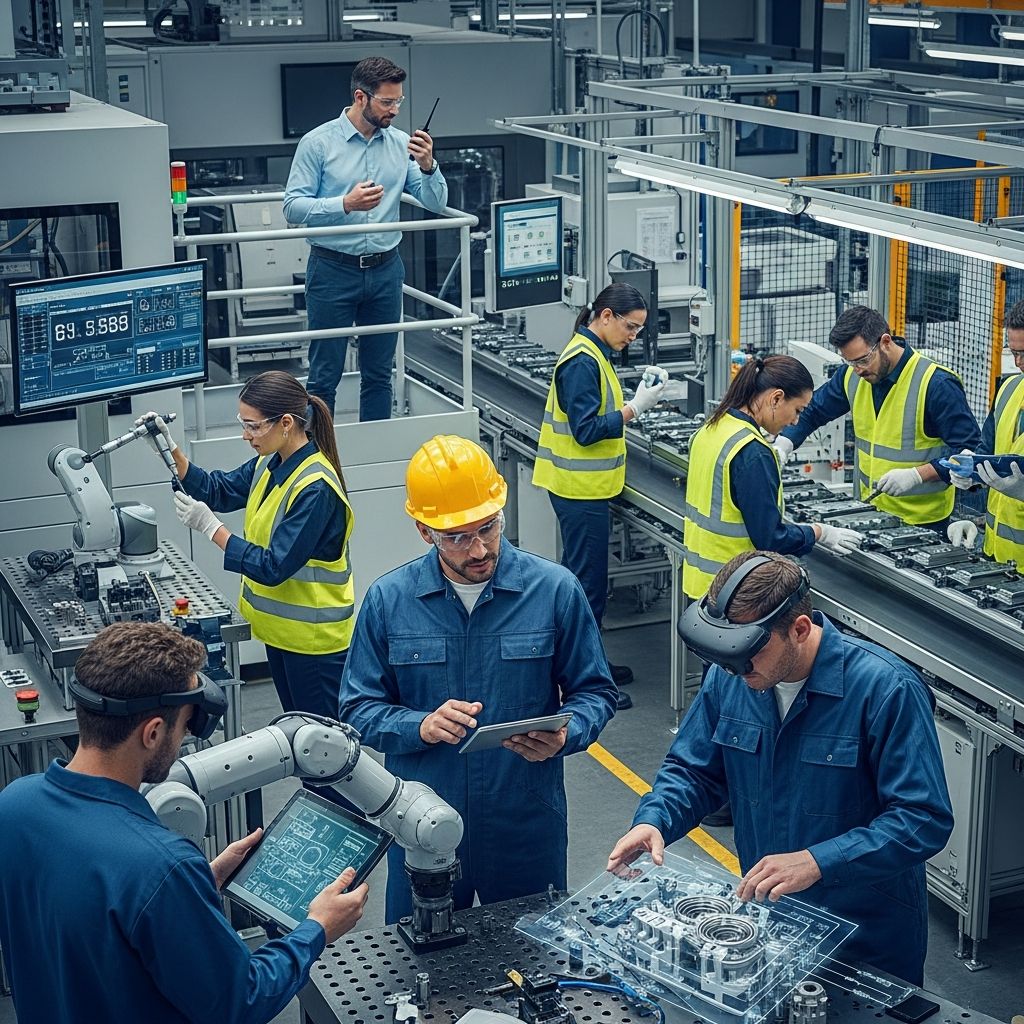
The manufacturing sector is undergoing a profound transformation, fueled by rapid advancements in automation, artificial intelligence, and data-driven decision-making. Professionals who master a blend of technical prowess and adaptable mindsets will lead this evolution. This article delves into the most critical competencies shaping the industry’s future, offering insights into high-demand roles, training pathways, and strategies for career growth.
The Rise of Automation and Digital Integration
Automation has become the cornerstone of modern manufacturing, with robotics and programmable logic controllers (PLCs) streamlining production lines and minimizing human error. Facilities now integrate Internet of Things (IoT) devices for real-time monitoring, demanding workers skilled in programming and troubleshooting these systems.
Machinery expertise remains foundational, as operators must understand complex equipment to ensure seamless operations. Precision in handling CNC machines and robotic arms directly impacts product quality and safety, reducing workplace hazards by delegating repetitive tasks to machines.
Key Technical Competencies Driving Demand
Employers prioritize candidates with hands-on technical abilities that bridge traditional craftsmanship and cutting-edge technology. Here are the standout skills:
- Robotics and PLC Programming: Proficiency in ladder logic, sensor integration, and system updates is essential for maintaining automated workflows. Certifications in PLC technology prepare technicians to diagnose faults swiftly, cutting downtime.
- Data Analytics and AI Literacy: Interpreting operational data via tools like Python or Power BI enables predictive maintenance and efficiency gains. Manufacturers rely on these insights to optimize processes amid growing data volumes.
- Cybersecurity for Industrial Systems: As IoT expands, safeguarding connected devices from threats is paramount. Awareness of vulnerabilities in smart factories protects intellectual property and operations.
- CNC Operation and Blueprint Mastery: Reading and creating detailed blueprints ensures accurate fabrication. Skilled programmers who operate and customize CNC systems meet the precision demands of reshoring initiatives.
These technical skills form the backbone of roles like automation engineers and maintenance technicians, which are projected to see significant growth through 2026.
Soft Skills: The Human Edge in Tech-Driven Environments
While technology dominates, human-centered abilities remain irreplaceable. Critical thinking and problem-solving allow workers to innovate beyond algorithms, addressing unforeseen challenges on the floor.
Adaptability and continuous learning are vital as industry shifts accelerate. Professionals who embrace upskilling—through online courses or apprenticeships—stay ahead in a competitive talent market. Collaboration and communication foster team synergy, essential for cross-functional projects involving engineers, operators, and analysts.
| Skill Category | Examples | Impact on Manufacturing |
|---|---|---|
| Technical | PLC Programming, Data Analytics | Boosts efficiency, reduces errors |
| Soft | Problem-Solving, Adaptability | Enhances innovation, team performance |
| Process | Lean Practices, Blueprint Design | Streamlines workflows, cuts costs |
This table illustrates how balanced skill sets contribute to operational excellence.
High-Demand Roles and Career Pathways
The sector’s renaissance, driven by semiconductor production and green energy, creates diverse opportunities. Top positions include:
- Automation and Systems Engineers: Oversee IoT and robotics for smart factories.
- Hybrid Maintenance Technicians: Troubleshoot mechanical-digital hybrids.
- Data Operations Specialists: Leverage analytics for real-time decisions.
- Production Supervisors: Manage tech-infused teams with leadership acumen.
- Quality Inspectors: Combine manual checks with automated testing.
Trades like welding and millwright work persist, supporting infrastructure in energy and transport. Entry often requires 1-2 years of trade school or apprenticeships, with certifications accelerating advancement.
Sustainability and Green Skills in Focus
Environmental imperatives are spawning roles in renewable integration. Engineers skilled in sustainable practices help factories reduce emissions while maintaining output. Data literacy aids in tracking carbon footprints, aligning with global regulations.
Strategies for Skill Development and Upskilling
Manufacturers face talent shortages, intensifying competition. Companies investing in training outperform peers, offering in-house programs for existing staff. Job seekers should pursue targeted certifications:
- PLC Technician programs with hands-on labs.
- AI and data analytics bootcamps.
- Safety and cybersecurity workshops.
Government initiatives and partnerships with educational institutions provide accessible pathways, emphasizing lifelong learning to match technology’s pace.
Regional Variations and Future Outlook
Demand varies by location; areas with reshoring, like Houston, seek robotics and cybersecurity experts. Deloitte forecasts that strategic tech investments will define competitiveness in 2026, prioritizing adaptive workforces.
By 2026, versatile professionals blending digital fluency with practical expertise will dominate. Employers using smart recruitment focus on these hybrids to navigate labor tightness.
Frequently Asked Questions (FAQs)
What are the most in-demand manufacturing skills for 2026?
Robotics programming, data analytics, PLC troubleshooting, and soft skills like critical thinking top the list.
How can I get certified in PLC programming?
Enroll in programs offering ladder logic, wiring, and practical labs, such as online technician courses.
Are soft skills still relevant in automated factories?
Yes, communication, collaboration, and adaptability complement tech skills for holistic success.
What roles involve both technical and sustainability expertise?
Renewable energy engineers and green process analysts integrate eco-practices with automation.
How long does it take to enter skilled manufacturing jobs?
Typically 1-2 years via apprenticeships or trade school.
Mastering these skills positions individuals for rewarding careers in a dynamic industry. Proactive learning and adaptability will unlock opportunities in this tech-forward landscape.
References
- The Top Jobs and Skills in Demand for 2026 for Industrial Manufacturing — Meador Staffing. 2025. https://meador.com/the-top-jobs-and-skills-in-demand-for-2026-for-industrial-manufacturing/
- New Report Dives into the Skills Needed for Modern Manufacturing — The Manufacturing Institute. 2024-10-15. https://themanufacturinginstitute.org/new-report-dives-into-the-skills-needed-for-modern-manufacturing/
- Your Ultimate Guide to Trending Manufacturing Skills in 2026 — Randstad Canada. 2025. https://www.randstad.ca/job-seeker/skills/top-skills-manufacturing-2026/
- ARM Institute Publishes New Future Skill Requirements Report — ARM Institute. 2024. https://arminstitute.org/news/future-skill-report/
- Prioritizing Next-Generation Skills for Manufacturing — EY US. 2024-11-01. https://www.ey.com/en_us/industries/advanced-manufacturing-realized/prioritizing-next-generation-skills-for-manufacturing
- Top Skills Manufacturing 2026 — Randstad USA. 2025. https://www.randstadusa.com/job-seeker/skills/top-skills-manufacturing-2026/

- Integrated M.A. in Applied Linguistics, University of Hyderabad
- 5+ years in editorial, instructional, SEO, and research-based writing
Sneha is a relationships and lifestyle writer with a strong foundation in applied linguistics and certified training in relationship coaching. She brings over five years of writing experience to theskillvault, crafting thoughtful, research-driven content that empowers readers to build healthier relationships, boost emotional well-being, and embrace holistic living. Her writing and insights reflect the belief that beauty, happiness, and wellness…