
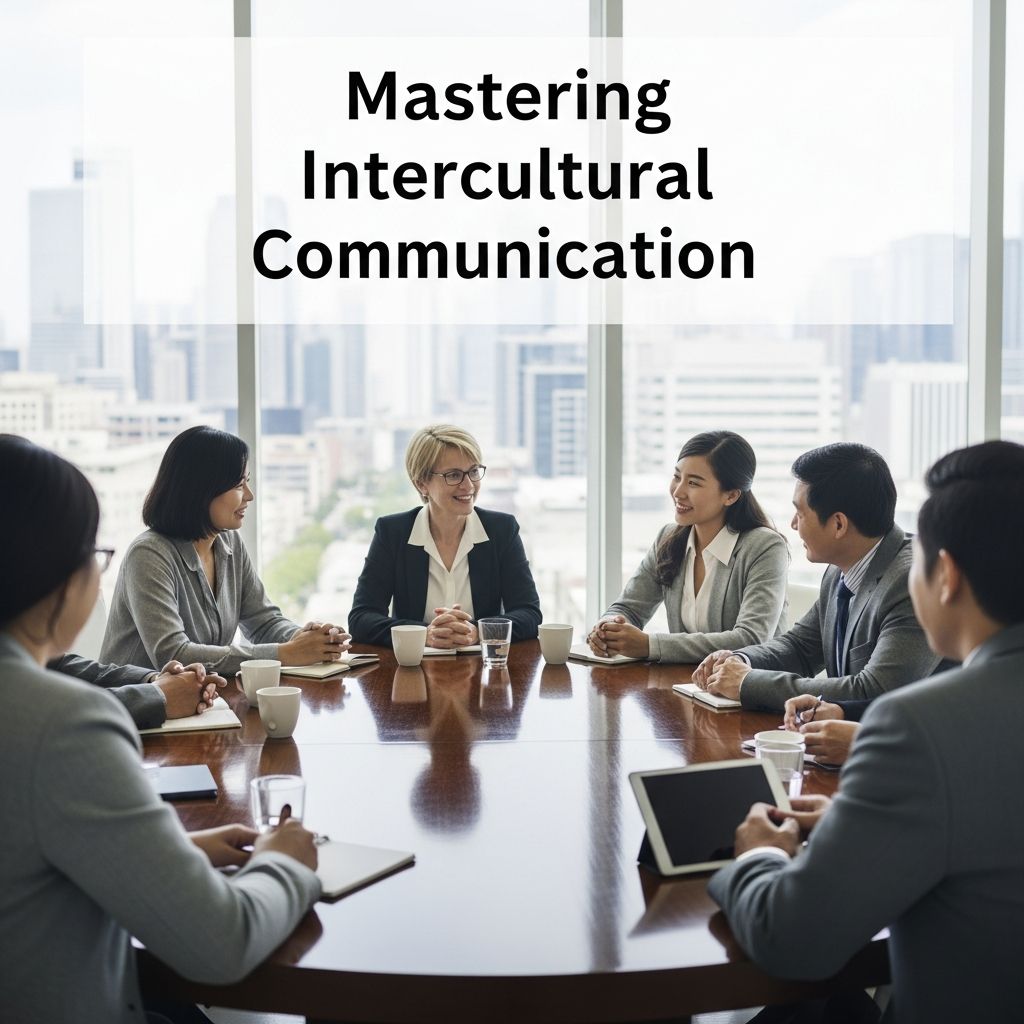
In an increasingly connected world, the ability to communicate across cultural boundaries has become a vital skill for personal growth, professional success, and global harmony. Intercultural communication refers to the exchange of information between individuals from diverse cultural backgrounds, where differences in language, values, and behaviors play significant roles. This process goes beyond mere translation; it involves navigating nuanced interpretations to achieve mutual understanding.
Defining Intercultural Communication in Modern Contexts
At its core, intercultural communication encompasses interactions where participants recognize cultural and linguistic variances as pertinent to their dialogue. It draws on a range of cultural resources, including nationality, ethnicity, profession, and social class, allowing negotiators to blend local, national, and global perspectives. Unlike standard communication, it demands awareness of how these elements shape meaning-making.
Research highlights that effective intercultural exchanges promote tolerance and stronger relationships by bridging linguistic and cultural divides. For instance, in multicultural workplaces, such communication enhances coordination and reduces conflicts, leading to more inclusive environments.
Core Principles Guiding Effective Exchanges
Several foundational principles underpin successful intercultural interactions. These guidelines ensure respectful and productive dialogues:
- Contextual Awareness: Communication is deeply embedded in socio-cultural and situational contexts, which are dynamically negotiated during interactions.
- Mutual Meaning Creation: It involves co-constructing interpretations rather than one-way transmission, recognizing culture as performed in real-time exchanges.
- Respect for Diversity: Emphasizes open exchanges of views to foster understanding without seeking forced agreement, focusing on active listening and human rights commitment.
- Adaptability: Encourages flexibility in addressing tensions between similarities and differences, personal and contextual factors.
These principles, derived from constructivist approaches, view culture not as static but as a coordinated system of meanings and actions that evolves through dialogue.
Theoretical Frameworks for Cultural Competence
Understanding intercultural dynamics benefits from established models. One prominent framework is the Intercultural Communicative Competence (ICC) model, which integrates linguistic skills with intercultural elements like interpretation, discovery, and critical awareness. It promotes curiosity, openness, and the ability to relate one’s culture to others.
Another key approach is the Developmental Model of Intercultural Sensitivity (DMIS), which outlines a continuum from ethnocentrism—where differences are denied or minimized—to ethnorelativism, where they are integrated and adapted to. This progression enhances perceptual complexity, enabling more sophisticated responses to cultural variances.
Dialectical perspectives further enrich this by examining tensions such as cultural versus individual influences or static versus dynamic views of culture, urging communicators to embrace complexity over simplistic binaries.
| Framework | Key Components | Application |
|---|---|---|
| ICC Model | Skills of relating, discovery; attitudes of openness; cultural knowledge | Language education, international business |
| DMIS | Ethnocentric to ethnorelative stages | Training programs, personal development |
| Dialectical Approach | Six dichotomies (e.g., difference vs. similarity) | Conflict resolution, ethnography |
Common Barriers and How to Overcome Them
Despite best intentions, intercultural communication often faces obstacles. Language differences top the list, but non-verbal cues, stereotypes, and ethnocentric biases also hinder progress. High-context cultures rely heavily on implicit messages, while low-context ones prefer explicitness, leading to misinterpretations.
Stereotyping reduces individuals to group assumptions, fostering prejudice. Power imbalances and historical contexts exacerbate these issues, particularly in privileged-disadvantaged dynamics.
To surmount these:
- Practice active listening and seek clarification without judgment.
- Use simple, clear language and support with non-verbal reinforcements aligned to the context.
- Develop self-awareness of one’s cultural lens through reflection.
- Embrace empathy by attributing equal complexity to others’ experiences.
Building Intercultural Sensitivity Step by Step
Cultivating sensitivity involves progressive development. Start with denial of differences, moving through defense, minimization, acceptance, adaptation, and integration. At advanced stages, individuals actively participate in cultural negotiations, expanding their competencies.
Practical steps include:
- Self-Assessment: Evaluate your current position on sensitivity continua.
- Exposure: Engage in diverse interactions, such as joint community actions.
- Skill-Building: Learn inclusive communication principles to avoid hate speech and promote equity.
- Reflection: Journal experiences to track growth and biases.
This journey fosters biculturalism, where mutual adaptation replaces assimilation.
Strategies for Professional and Personal Success
In workplaces with multicultural teams, intercultural skills drive innovation and retention. Speak slowly, use plain language, and listen intuitively to build connections. In personal relations, these strategies enhance empathy and reduce conflicts.
Key tactics:
- Non-Ambiguous Messaging: Favor active voice and avoid jargon.
- Holistic Support: Align verbal, vocal, and visual elements.
- Heart-Centered Listening: Tune into emotions when logic falters.
- Ongoing Learning: Share cultural references while integrating new ones.
These approaches transform interactions into platforms for social transformation and justice.
Intercultural Dialogue: Beyond Surface Interactions
True dialogue transcends superficial politeness, delving into challenging topics. It requires commitment to respectful sharing, appreciation of diversity, and equal participation. By confronting assumptions and values, participants learn from one another, contributing to broader societal change.
Dimensions include meaningful exchanges, active involvement, and dedication to overcoming tensions through cooperative environments.
FAQs on Intercultural Communication
What is the main goal of intercultural communication?
The primary aim is mutual adaptation and understanding, leading to effective coordination across cultural differences rather than assimilation.
How does culture influence communication?
Culture shapes verbal and non-verbal cues, context preferences, and meaning interpretation, making it essential to negotiate these in interactions.
Why is intercultural competence important today?
In globalized settings, it facilitates tolerance, collaboration, and innovation, essential for diverse teams and international relations.
Can intercultural skills be learned?
Yes, through models like DMIS and targeted training focusing on awareness, skills, and attitudes.
What role does empathy play?
Empathy enables non-evaluative understanding, attributing humanity and complexity to others’ perspectives.
Conclusion: Embracing a Global Mindset
Mastering intercultural communication equips individuals to thrive in diversity. By applying these principles and strategies, we not only bridge gaps but also enrich our worldviews, promoting inclusive societies.
References
- Intercultural communication — ELT Journal, Oxford Academic. 2024-04-01. https://academic.oup.com/eltj/article/78/2/212/7633887
- Principles — Youth Partnership, Council of Europe. 2023-01-01. https://pjp-eu.coe.int/en/web/youth-partnership/principles
- Intercultural Communication — IDRInstitute. 2023-01-01. https://www.idrinstitute.org/resources/intercultural-communication/
- Intercultural Communication Principles and Inclusive Communication — DREAMM Project (EU-funded). 2023-06-01. https://www.dreamm-project.eu/wp-content/uploads/2023/06/DossouKlein-Intercultural-Communication-Principles-and-Inclusive-Communication.pdf
- The Seven Principles of Intercultural Effectiveness — Global People Transitions. 2023-01-01. https://globalpeopletransitions.com/the-seven-principles-of-intercultural-effectiveness/

Medha Deb is an editor with a master's degree in Applied Linguistics from the University of Hyderabad. She believes that her qualification has helped her develop a deep understanding of language and its application in various contexts. Medha specializes in the areas of beauty, health, sports, and wellness and is committed to ensuring that the content on the website is…