
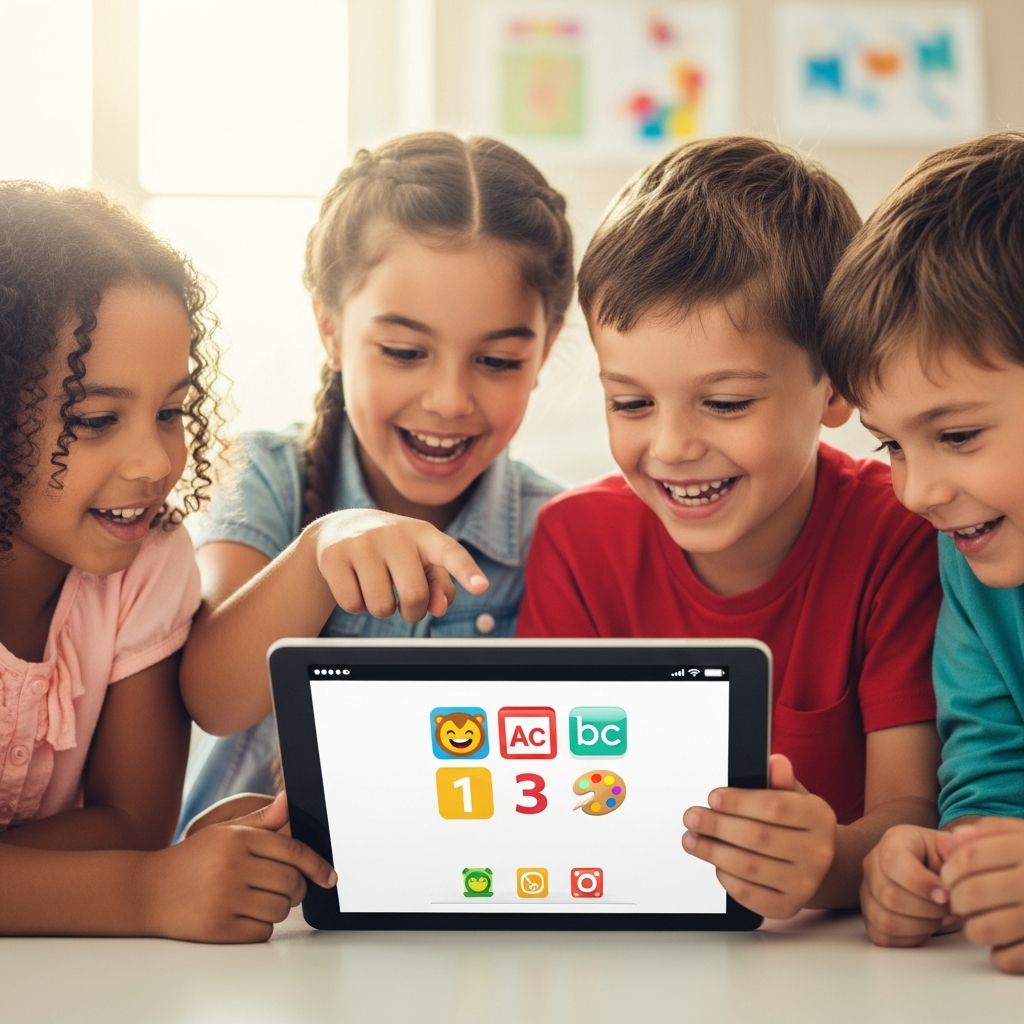
Digital tools have revolutionized how children learn, offering interactive experiences that blend education with entertainment. Free apps stand out by providing high-quality content without cost barriers, enabling parents and educators to supplement schoolwork effectively. This article highlights standout free apps that cover core subjects like math, reading, science, and languages, drawing from popular recommendations for 2026. These selections prioritize engagement, adaptability, and alignment with developmental milestones for kids aged 2 to 12.
Why Free Educational Apps Matter for Young Learners
Screen time can be productive when guided by well-designed apps. Research from educational platforms shows that interactive digital content improves retention by up to 30% compared to traditional methods, thanks to gamification and personalization. Free versions often include core features like progress tracking and ad-free play, making them ideal for daily use. Parents appreciate parent dashboards for monitoring growth, while kids enjoy rewards and characters that make lessons feel like play.
Key benefits include:
- Accessibility: Downloadable on iOS, Android, and web browsers without subscriptions for basics.
- Customization: Adaptive difficulty matches each child’s pace, preventing frustration.
- Diversity: Covers STEM, literacy, and social skills in bite-sized sessions.
- Safety: Ad-free environments with no in-app purchases in free tiers.
Best Apps for Early Literacy and Reading Skills
Building reading foundations early sets the stage for academic success. Apps focused on phonics, sight words, and comprehension use stories and games to make literacy irresistible.
Duolingo ABC: Phonics and Storytelling Mastery
Aimed at beginners aged 4-7, Duolingo ABC breaks down reading into short, rewarding lessons. Children practice letter sounds, blending, and handwriting with cheerful mascots and streaks that encourage daily habits. Interactive tales reinforce vocabulary in context, boosting comprehension. Its gamified approach ensures sessions last 5-10 minutes, fitting busy schedules.
Standout features:
- Animated stories with audio feedback.
- Rewards for milestones like mastering 50 sight words.
- Offline mode for travel learning.
Reading Eggs: From Phonics to Fluency
For ages 2-13, this app guides progression via maps and quests. Kids tackle phonics quests, interactive books, and quizzes, earning eggs to ‘hatch’ rewards. It tracks fluency improvements and integrates spelling practice. Users report kids achieving independent reading faster due to its structured paths.
Math and Logic Builders for Young Minds
Math anxiety starts early, but fun apps turn numbers into adventures. These tools emphasize problem-solving through themes like oceans and space.
SplashLearn: Adaptive Math Quests
Pre-K to 5th grade students dive into personalized math and ELA games. Underwater worlds teach addition, fractions, and grammar with real-time adjustments. Aligned to standards, it reinforces school lessons seamlessly. Progress reports help parents identify strengths.
| Grade Level | Key Topics | Unique Twist |
|---|---|---|
| Pre-K | Counting, Shapes | Animal quests |
| K-2 | Addition, Subtraction | Treasure hunts |
| 3-5 | Fractions, Geometry | Space missions |
Khan Academy Kids: Holistic Early Math
Ages 2-8 explore math alongside reading and emotions with furry guides. Lessons on logic and patterns use books, videos, and games. Free access to thousands of activities ensures endless variety without ads.
Science and Exploration Apps Igniting Curiosity
Hands-on science is tough at home, but VR-like apps bring labs to screens.
Science 360: Immersive STEM Worlds
K-12 learners access NSF-curated 360-degree videos on physics, biology, and earth science. Real-world footage from space to oceans sparks project ideas. Searchable topics and offline downloads enhance usability.
National Geographic Kids: Nature and Geography
Elementary students explore animals, ecosystems, and cultures via videos, games like ‘Destination World,’ and quizzes. It fosters global awareness safely.
Creative and Multilingual Learning Platforms
Creativity and languages expand horizons. These apps let kids create and communicate.
TinyTap: User-Generated Games
Ages 2-12 play and build games on history, languages, and more. Community content keeps it fresh, promoting a maker mindset.
Lingokids: Playful Language Immersion
2-8 year-olds learn via songs, videos, and parent-child modes in multiple languages. Tracks progress across literacy, math, and emotions. Trusted by millions for ad-free fun.
Comparing Top Free Apps: A Quick Guide
| App | Ages | Main Subjects | Free Features | Best For |
|---|---|---|---|---|
| Duolingo ABC | 4-7 | Reading, Phonics | Lessons, Stories | Beginner Readers |
| SplashLearn | PreK-5 | Math, ELA | Games, Reports | School Reinforcement |
| Khan Academy Kids | 2-8 | Math, Reading, SEL | Full Library | Holistic Development |
| Lingokids | 2-8 | Languages, Skills | Play Modes | Family Bonding |
| TinyTap | 2-12 | Varied, Creative | Game Creation | Creative Kids |
Tips for Maximizing App-Based Learning
To get the most from these apps:
- Set daily limits: 20-30 minutes to balance with outdoor play.
- Co-play: Join sessions to discuss concepts.
- Track goals: Use built-in dashboards weekly.
- Mix apps: Rotate to cover subjects broadly.
- Offline prep: Download for road trips.
Combine with real-world activities, like measuring ingredients after SplashLearn math, for deeper retention.
FAQs: Free Educational Apps for Kids
Are these apps truly free?
Yes, core content is free with optional premium upgrades. No ads interrupt learning.
What ages do they suit?
Most target 2-12, with adaptive levels for all skill ranges.
Do they align with school curriculum?
Apps like SplashLearn and Khan Academy follow U.S. standards.
Can parents monitor progress?
Most offer dashboards showing completed activities and skill gaps.
Are they safe for young children?
Designed ad-free with COPPA compliance for privacy.
Future Trends in Kids’ Educational Apps
By 2026, expect AI personalization and AR integrations, like virtual dissections in science apps. Voice tech will enhance reading practice, while collaborative multiplayer modes foster social learning. Free tiers will expand as competition grows, making quality education ubiquitous.
Integrating these apps thoughtfully turns devices into powerful learning allies. Start with one matching your child’s interests, and watch skills flourish.
References
- Best Apps For Kids Learning In 2026 — TutoClub. 2026. https://tutoclub.com/blog/best-apps-for-kids-learning
- Best Educational Apps For Kids 2026 — Sassy Mama Singapore. 2026. https://www.sassymamasg.com/educational-apps-for-kids-all-ages/
- 15 Free Educational Apps for Students 2026 — Skolera. 2026. https://skolera.com/en/blog/free-educational-apps-for-students/
- Top Education Apps Every Student Needs in 2026 — Codeyoung. 2026. https://codeyoung.com/blog/top-education-apps-every-student-needs-in-2026
- The Best Child Development Apps for 2026 — TinyPal. 2026. https://tinypal.com/blog/the-best-child-development-apps-for-2026/

Medha Deb is an editor with a master's degree in Applied Linguistics from the University of Hyderabad. She believes that her qualification has helped her develop a deep understanding of language and its application in various contexts. Medha specializes in the areas of beauty, health, sports, and wellness and is committed to ensuring that the content on the website is…