
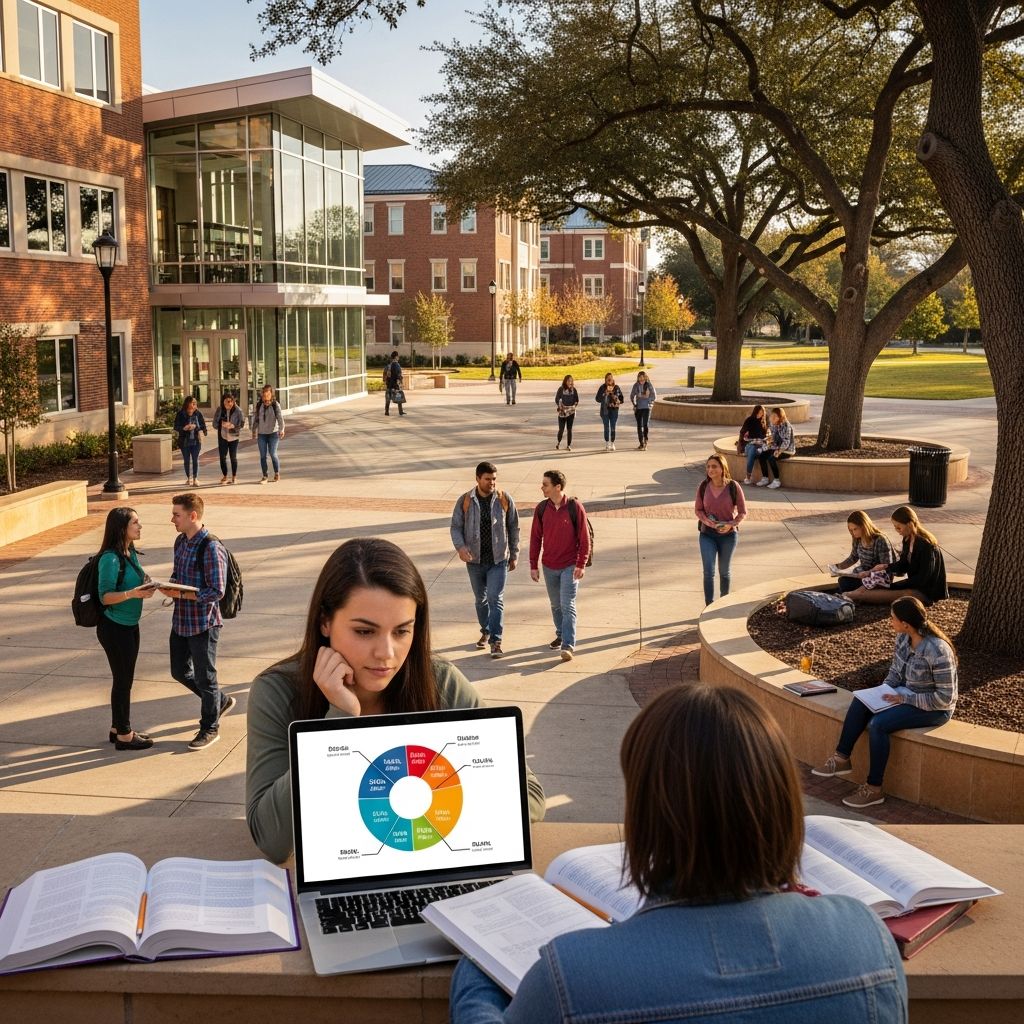
Selecting the right college involves balancing personal goals with institutional realities. High school grades and curriculum strength top admissions priorities across institutions, but deeper factors like fit, costs, and outcomes shape the best choice.
Understanding Admissions Landscapes
Colleges vary widely in their evaluation processes, influenced by mission and resources. Over 6,000 U.S. institutions report priorities via federal data systems like IPEDS, ranking factors from high school records to unique talents.
Public universities often prioritize access, screening for academic readiness via grades, rigor, and sometimes tests. Selective privates seek students aligning with specific needs, such as geographic diversity or program balance.
- Larger publics admit most qualified applicants to serve broad access.
- State-focused schools balance residency and major demands.
- Elite institutions emphasize financial viability and distinctive profiles.
Core Academic Criteria in Admissions
Grades in college-prep courses consistently rank highest, with curriculum strength close behind. NACAC data from Fall 2023 confirms this across four-year colleges, where 74-81% deem overall high school grades very important.
| Factor | Public Colleges Importance (%) | Private Colleges Importance (%) |
|---|---|---|
| Total High School Grades | 75 | 81 |
| Strength of Curriculum | 62 | 65 |
| Essay/Writing Sample | 23 | 20 |
Admissions officers contextualize performance, favoring challenging coursework like AP or dual enrollment, even from under-resourced schools.
Personal Fit: The Six Essential Dimensions
Beyond admissions odds, prioritize fit using frameworks like the “Six F’s”: Focus, Fellowship, Feeling, Finances, Future, and Flexibility.
Academic Focus
Align majors with strengths. Review department faculty, syllabi, and graduation rates—80% of students switch majors, so versatility matters. Check impacted programs and support like honors or study abroad.
Community Fellowship
Seek peers matching your values. Diversity, affinity groups, and campus demographics influence belonging. Consider HBCUs, religious affiliations, or legacy ties for cultural resonance.
Campus Feeling
Visit to gauge vibe: Does it energize or comfort? Evaluate safety, exploration opportunities, and daily life.
Financial Realities and Affordability
Costs extend beyond tuition. Net price calculators reveal aid packages. Selective schools offer merit aid but prioritize full-pay students; publics balance state funding.
- Compare total costs including housing, travel, and loans.
- Assess ROI via post-grad salaries and debt levels.
- Explore scholarships tied to demographics or talents.
Location and Lifestyle Factors
Proximity affects support and costs. Urban campuses offer internships; rural ones foster tight communities.
| Factor | Urban Pros | Rural Pros |
|---|---|---|
| Opportunities | Internships, culture | Nature, focus |
| Cost | Higher living | Affordable housing |
| Size | Large, diverse | Small, personal |
Institutional Size and Atmosphere
Small colleges (under 5,000) provide personalized attention; larges (over 20,000) boast resources and variety. Match to your learning style—introverts may prefer intimate settings.
Extracurriculars reveal atmosphere: sports participation, clubs, or arts gauge engagement.
Career Outcomes and Reputation
Research placement rates and alumni salaries via career services data. Program accreditation ensures quality. Big names aid networking, but fit trumps prestige.
Strategies for Comparison
Create a decision matrix weighting factors personally.
- List 8-12 schools by reach, match, safety.
- Score on 1-10 scale for academics, cost, fit.
- Visit top choices; talk to students.
- Review outcomes data from IPEDS or College Scorecard.
Common Pitfalls to Avoid
- Rankings obsession: They overlook personal needs.
- Ignoring aid: Sticker price misleads.
- Peer pressure: Choose for you, not status.
FAQs
What if my top choice rejects me?
Have balanced lists; many thrives occur at matches.
How important are test scores?
Declining role; focus on holistic profiles.
Should I consider community college first?
Yes, for affordability and transfer paths.
Does demonstrated interest matter?
Yes, at privates signaling enrollment likelihood.
Final Decision Framework
Reflect on values: employment, experiences, growth. Data informs, but intuition from visits seals it.
References
- The Hidden Factors Influencing College Admissions Decisions — Word In Black. 2024-09. https://wordinblack.com/2024/09/hidden-factors-influencing-college-admissions/
- Factors in the Admission Decision — National Association for College Admission Counseling (NACAC). 2023. https://www.nacacnet.org/factors-in-the-admission-decision/
- What Do Colleges Look For in Students? — CollegeData. N/A. https://www.collegedata.com/resources/getting-in/what-do-colleges-look-for-in-students
- How to choose which college to attend: Key factors to consider — College Essay Guy. N/A. https://www.collegeessayguy.com/blog/how-to-choose-which-college-to-attend-key-factors-to-consider
- How to Choose a College — ACT. N/A. https://www.act.org/content/act/en/students-and-parents/college-planning-resources/choosing-a-college/college-considerations.html
- How to Decide What College to Attend — BigFuture College Board. N/A. https://bigfuture.collegeboard.org/plan-for-college/find-your-fit/how-to-decide-which-college-to-attend

- Integrated M.A. in Applied Linguistics, University of Hyderabad
- 5+ years in editorial, instructional, SEO, and research-based writing
Sneha is a relationships and lifestyle writer with a strong foundation in applied linguistics and certified training in relationship coaching. She brings over five years of writing experience to theskillvault, crafting thoughtful, research-driven content that empowers readers to build healthier relationships, boost emotional well-being, and embrace holistic living. Her writing and insights reflect the belief that beauty, happiness, and wellness…