
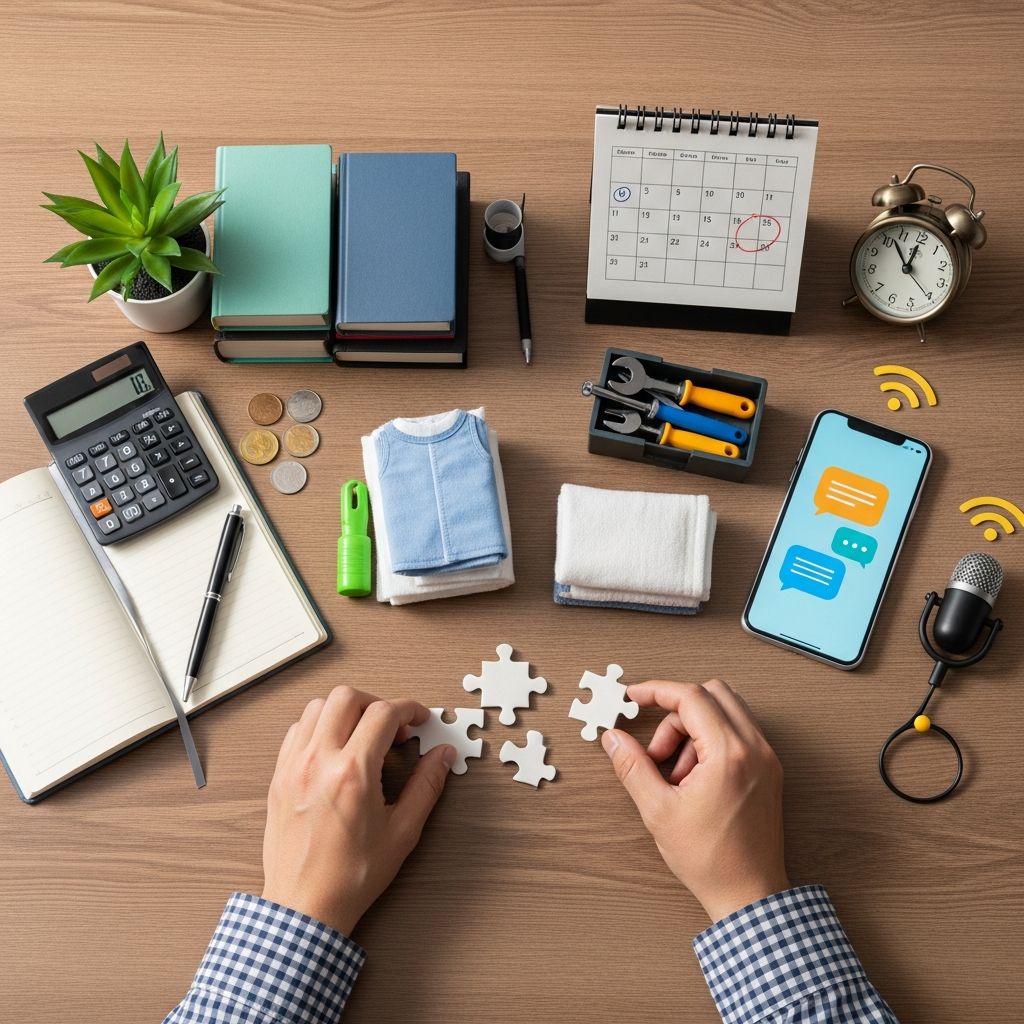
Life skills form the foundation for handling daily challenges, fostering independence, and achieving personal growth. These abilities enable individuals to adapt positively to life’s demands, as defined by the World Health Organization as psychosocial competencies for healthy, productive living. Mastering them leads to greater autonomy, better relationships, and career advancement.
Why Life Skills Matter in Modern Life
In today’s fast-paced world, possessing strong life skills is crucial for self-reliance and resilience. They help manage responsibilities like finances, health, and social interactions without constant external support. Research shows that individuals with robust life skills experience higher self-esteem and achievement. From workplace success to personal well-being, these skills bridge the gap between potential and reality.
Developing them early promotes lifelong benefits, including reduced stress and improved decision-making. Whether navigating career hurdles or household tasks, life skills equip people to thrive independently.
Cognitive Abilities: Thinking Your Way to Solutions
Cognitive life skills sharpen mental processes for effective problem-solving and innovation. They include critical thinking, where one analyzes information objectively, and creative thinking, which generates novel ideas.
- Critical Thinking: Evaluate evidence, identify biases, and draw logical conclusions to make informed choices.
- Creative Thinking: Approach problems from unique angles, fostering innovation in personal and professional contexts.
- Decision-Making: Weigh options, assess risks, and commit confidently, essential for career and life choices.
To build these, practice brainstorming sessions or puzzles daily. For instance, when faced with a dilemma, list pros and cons in a table:
| Option | Pros | Cons | Risk Level |
|---|---|---|---|
| Option A | Low cost, quick | Limited impact | Low |
| Option B | High reward | Time-intensive | Medium |
This structured approach enhances focus and prioritization.
Interpersonal Skills: Building Strong Connections
Interpersonal skills facilitate meaningful interactions and teamwork. Effective communication involves clear verbal, written, and non-verbal expression, ensuring others feel heard.
- Active listening: Focus fully on the speaker without interrupting.
- Empathy: Understand others’ emotions to respond supportively.
- Assertiveness: Express needs respectfully while respecting boundaries.
Cooperation and Leadership: Work collaboratively toward shared goals, or guide teams with vision and motivation. Practice by volunteering for group projects or resolving conflicts calmly.
In professional settings, these skills boost career success by improving feedback reception and idea-sharing.
Emotional Regulation: Mastering Your Inner World
Emotional intelligence underpins mental health and relationships. Key areas include stress management, recognizing triggers like overwhelming tasks and using techniques such as deep breathing or walks.
- Anger Management: Identify anger cues and de-escalate with pauses or physical activity.
- Mental Health Awareness: Monitor needs like anxiety and apply coping strategies, such as journaling or seeking support.
Prosocial behaviors, like showing kindness, enhance social bonds. Regularly reflect: “What stresses me, and how does it affect me?” to build resilience.
Practical Independence: Handling Daily Realities
Self-sufficiency in routines ensures smooth living. Daily Responsibilities Management involves prioritizing tasks, like bill payments or home maintenance, to avoid chaos.
- Time management: Use calendars for scheduling and deadlines.
- Household skills: Laundry, cooking nutritious meals, and basic repairs promote autonomy.
- Financial basics: Budgeting, understanding statements, and handling taxes build security.
Independent Living: Secure transportation, meal prep, and hygiene routines foster reliability. Create a weekly checklist:
| Task | Frequency | Priority |
|---|---|---|
| Pay bills | Monthly | High |
| Grocery shop | Weekly | Medium |
| Clean space | Daily | High |
Such habits lead to a sense of control and accomplishment.
Health and Wellness: Prioritizing Well-Being
Maintaining physical and mental health requires proactive skills. Medication Management ensures timely adherence, using organizers and reminders. Nutrition involves reading labels and planning balanced meals.
- Exercise discipline: Incorporate cardio and strength training safely.
- Leisure balance: Engage in hobbies for recharge, like reading or gardening.
Emergency preparedness, such as CPR knowledge or using extinguishers, saves lives.
Advanced Life Skills: Thriving in Complexity
Beyond basics, advanced skills handle nuanced situations. Resiliency bounces back from setbacks through adaptability. Problem-solving breaks down issues systematically.
- Adaptability: Embrace change, like new tech or relocations.
- Resourcefulness: Utilize community supports for aid.
Career-oriented skills like resume crafting and interviewing prepare for opportunities.
How to Cultivate These Skills Effectively
Skill-building is intentional. Start small: Set weekly goals, track progress with journals, and seek feedback. Programs like brain-training apps aid critical thinking. Role-play communication scenarios with friends. For practical skills, practice chores mindfully.
Reflection questions accelerate growth: “What triggers my stress? How do I respond assertively?”. Consistency turns abilities into habits.
Life Skills in Professional Contexts
Employers value these for productivity. Communication ensures clear collaboration; decision-making drives results. Resiliency navigates failures, while cooperation fosters teams. Cultivate them via workshops or mentorship.
Common Challenges and Solutions
Barriers like procrastination hinder progress. Counter with routines and accountability partners. Overwhelm? Prioritize using Eisenhower matrices. Lack of motivation? Link skills to personal goals for purpose.
Frequently Asked Questions (FAQs)
What are the most important life skills to learn first?
Start with communication, decision-making, and daily management for immediate impact on independence and relationships.
How can adults improve life skills later in life?
Through self-assessment, online courses, practice, and reflection. Consistency yields results regardless of age.
Do life skills differ by age or culture?
Core skills are universal, but practical ones like tech use adapt to context. Focus on timeless cognitive and emotional ones.
Can life skills be taught to children?
Yes, via hands-on activities and modeling. Early development builds lifelong foundations.
How do life skills impact mental health?
They reduce stress, boost confidence, and enable coping, promoting overall wellness.
Conclusion
Embracing these essential life skills transforms challenges into opportunities. Commit to daily practice for a more empowered, fulfilling life.
References
- 14 Life Skill Types — How Do I Build My Skills & Reach My Full … — R1 Learning. 2023. https://r1learning.com/blog/life-skills
- 7 Life Skills for Career Success (And How To Improve Them) — Indeed. 2023-10-25. https://www.indeed.com/career-advice/career-development/life-skills
- 100 Practical Life Skills That Every 18-Year-Old Should Have — Katherine Martinko, Substack. 2023. https://katherinemartinko.substack.com/p/100-practical-life-skills-that-every
- 48 Essential Life Skills Everyone Should Learn — Living Well Spending Less. 2023. https://www.livingwellspendingless.com/48-life-skills-everyone-learn/comment-page-2/
- 100 Life Skills to Intentionally Teach your Children — Treehouse Schoolhouse. 2023. https://treehouseschoolhouse.com/blog/100-life-skills

- Integrated M.A. in Applied Linguistics, University of Hyderabad
- 5+ years in editorial, instructional, SEO, and research-based writing
Sneha is a relationships and lifestyle writer with a strong foundation in applied linguistics and certified training in relationship coaching. She brings over five years of writing experience to theskillvault, crafting thoughtful, research-driven content that empowers readers to build healthier relationships, boost emotional well-being, and embrace holistic living. Her writing and insights reflect the belief that beauty, happiness, and wellness…