
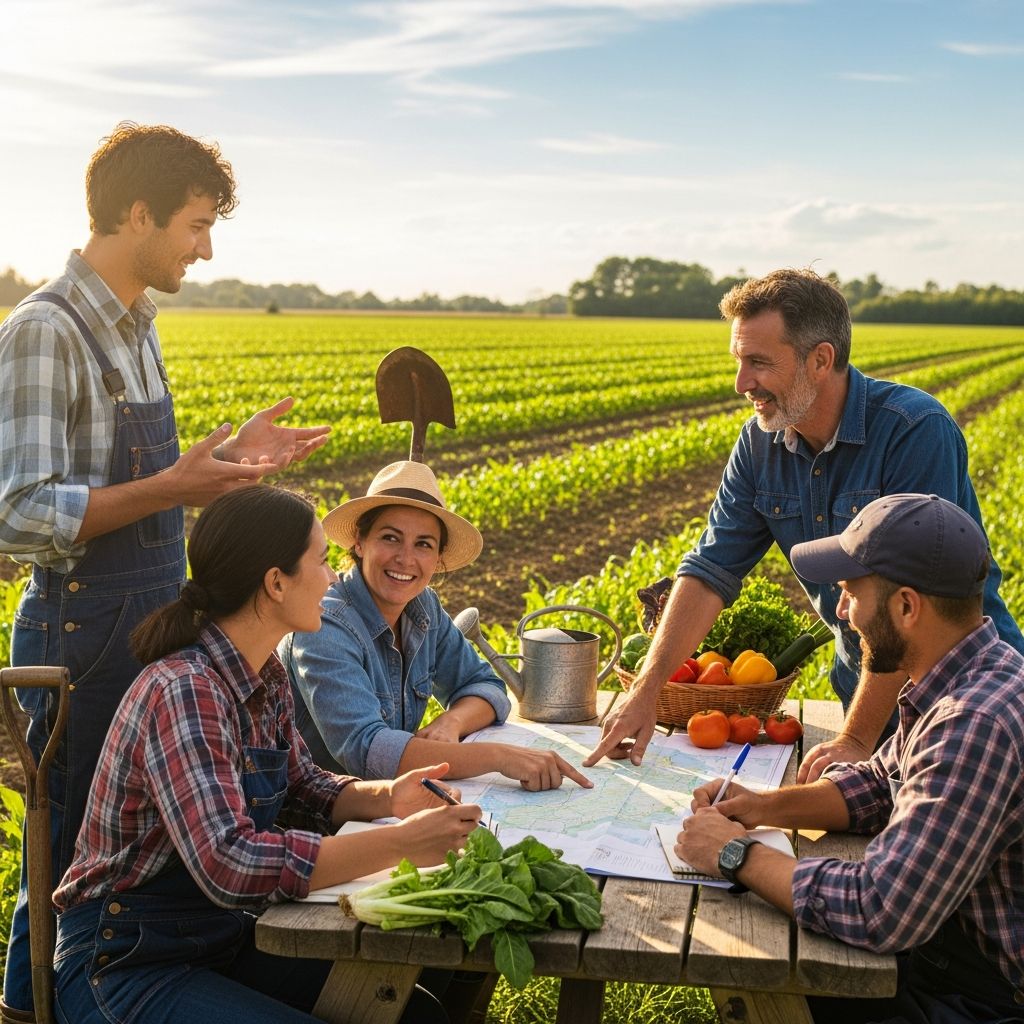
In the demanding world of agriculture, technical knowledge in crop management, machinery operation, and soil science forms the foundation. Yet, mastering soft skills often determines long-term viability and growth. These interpersonal and behavioral competencies enable farmers to navigate unpredictable weather, fluctuating markets, labor shortages, and technological shifts effectively.
This article delves into critical soft skills tailored for agriculturists, offering actionable strategies to cultivate them. By integrating these abilities, farmers can enhance productivity, foster stronger teams, and build resilient operations.
Why Soft Skills Matter in Modern Agriculture
Agriculture has evolved from solitary fieldwork to complex enterprises involving supply chains, regulations, and global trade. Soft skills bridge the gap between hard expertise and real-world execution. For instance, effective communication ensures seamless coordination during harvest seasons, while adaptability helps pivot to new pest-resistant crops amid climate changes.
Industry reports highlight that employers prioritize these traits in hiring. Dependable workers who solve problems on the fly reduce downtime and costs. In labor-scarce regions, retaining talent through strong team dynamics becomes a competitive edge.
Mastering Communication for Farm Coordination
Clear exchange of information underpins every farm activity, from instructing seasonal hires to negotiating with suppliers. Strong communicators articulate instructions precisely, listen actively to feedback, and resolve misunderstandings swiftly.
In practice, this means briefing teams on safety protocols before equipment use or discussing yield projections with buyers. Poor communication leads to errors, like misapplied fertilizers wasting resources. To build this skill:
- Practice active listening: Paraphrase others’ points to confirm understanding.
- Use simple language: Avoid jargon when training new workers.
- Seek feedback: After meetings, ask if instructions were clear.
Agricultural leaders who excel here report smoother operations and higher morale.
Building Teamwork in Field Operations
Farms rarely operate solo; success hinges on collaborative efforts during planting, irrigation, and harvesting. Team players align diverse roles—mechanics, harvesters, and managers—toward shared goals like meeting delivery deadlines.
Effective teamwork mitigates risks, such as coordinating labor during peak seasons. Examples include group problem-solving for equipment breakdowns or shared knowledge on crop rotation. Cultivate it by:
- Fostering inclusivity: Value input from all team levels.
- Organizing team-building: Rotate roles to build empathy.
- Celebrating wins: Recognize collective achievements publicly.
This approach not only boosts efficiency but also aids retention in tight labor markets.
Sharpening Problem-Solving Amid Uncertainties
Agriculture brims with variables: droughts, pests, or market dips demand quick, logical resolutions. Problem-solvers assess situations calmly, weigh options, and implement fixes without panic.
Consider adapting to pollination shortages by introducing beehives, yielding significant crop increases. Develop this through:
Step-by-Step Framework:
- Define the issue clearly.
- Gather data from field observations.
- Brainstorm multiple solutions.
- Test the best option on a small scale.
- Evaluate and scale up.
Such methods turn crises into opportunities, enhancing farm resilience.
Prioritizing Time Management and Organization
Seasonal cycles demand juggling planting schedules, maintenance, and paperwork. Time management ensures tasks align with critical windows, preventing bottlenecks.
| Task Category | Prioritization Tip | Benefit |
|---|---|---|
| Daily Field Work | Use checklists for routines | Reduces oversights |
| Seasonal Planning | Calendar blocking for peaks | Optimizes labor allocation |
| Administrative | Digital tools for tracking | Streamlines compliance |
Organizational prowess keeps records accessible—finances, inventories, contracts—vital for audits or loans. Tools like farm management software amplify this.
Cultivating Adaptability and Continuous Learning
Innovations like precision agriculture and drone monitoring redefine farming. Adaptable individuals embrace change, learning new tech to stay competitive.
This skill shines in responding to regulations or climate shifts. For example, shifting to sustainable practices amid water scarcity. Strategies include:
- Subscribing to ag extension services.
- Attending workshops on emerging tech.
- Experimenting with pilot projects.
Lifelong learners future-proof their operations.
Embracing Dependability and Accountability
Clients and partners rely on consistent delivery. Dependable farmers meet commitments, owning outcomes whether successes or setbacks.
This builds trust, securing repeat business and referrals. Demonstrate it by setting realistic timelines and communicating delays proactively. Accountability fosters a culture of responsibility across teams.
Assertiveness and Leadership in Decision-Making
Confident expression of ideas drives innovation. Assertive leaders advocate for better practices, negotiate contracts, and hold teams accountable without aggression.
In agriculture, this means pushing for resource allocation during shortages. Hone it via role-playing negotiations or public speaking practice.
Integrating Soft Skills into Daily Farm Life
Embed these skills through deliberate practice. Track progress in a journal, seek mentorship from peers, and join farmer networks for shared insights.
Communities amplify growth; alliances provide equipment loans or advice during slumps. Resume builders note quantifying soft skills—like ‘Led team to 20% yield increase via coordination’—impresses employers.
FAQs on Soft Skills for Agriculturists
Q: How do soft skills differ from hard skills in farming?
A: Hard skills are teachable technical abilities like tractor operation; soft skills are behavioral traits like communication that enhance application.
Q: Can soft skills improve farm profitability?
A: Yes, through efficient teams, fewer errors, and stronger supplier ties, leading to cost savings and revenue growth.
Q: What if I’m introverted—can I still develop these skills?
A: Absolutely; start small with one-on-one interactions and build gradually.
Q: Are there courses for agricultural soft skills?
A: University extensions and online platforms offer targeted training.
Q: How do I showcase soft skills on a job application?
A: Use work examples: ‘Coordinated 15 workers to harvest 50 acres ahead of schedule.’
Conclusion
Soft skills transform competent farmers into industry leaders. Prioritize their development alongside technical prowess for enduring success in agriculture’s dynamic landscape.
References
- Top 10 Soft Skills for Agriculture — Farm Credit of the Virginias. 2023. https://www.farmcreditofvirginias.com/blog/top-10-soft-skills-agriculture
- Valuable Soft Skills to Include on an Agriculture Resume — AgHires. 2023. https://blog.aghires.com/valuable-soft-skills-to-include-on-an-agriculture-resume
- 7 Soft Skills Agriculturists Need to Succeed — SkillsYouNeed. 2023. https://www.skillsyouneed.com/rhubarb/agriculturalists-soft-skills.html
- Farmer Skills: Definition and Examples — Indeed.com. 2024-01-15. https://www.indeed.com/career-advice/career-development/farmer-skills
- Soft Skills And Labor — John Deere. 2021-11. https://www.deere.com/en/publications/the-furrow/2021/november-2021/soft-skills-and-labor/

- Integrated M.A. in Applied Linguistics, University of Hyderabad
- 5+ years in editorial, instructional, SEO, and research-based writing
Sneha is a relationships and lifestyle writer with a strong foundation in applied linguistics and certified training in relationship coaching. She brings over five years of writing experience to theskillvault, crafting thoughtful, research-driven content that empowers readers to build healthier relationships, boost emotional well-being, and embrace holistic living. Her writing and insights reflect the belief that beauty, happiness, and wellness…