
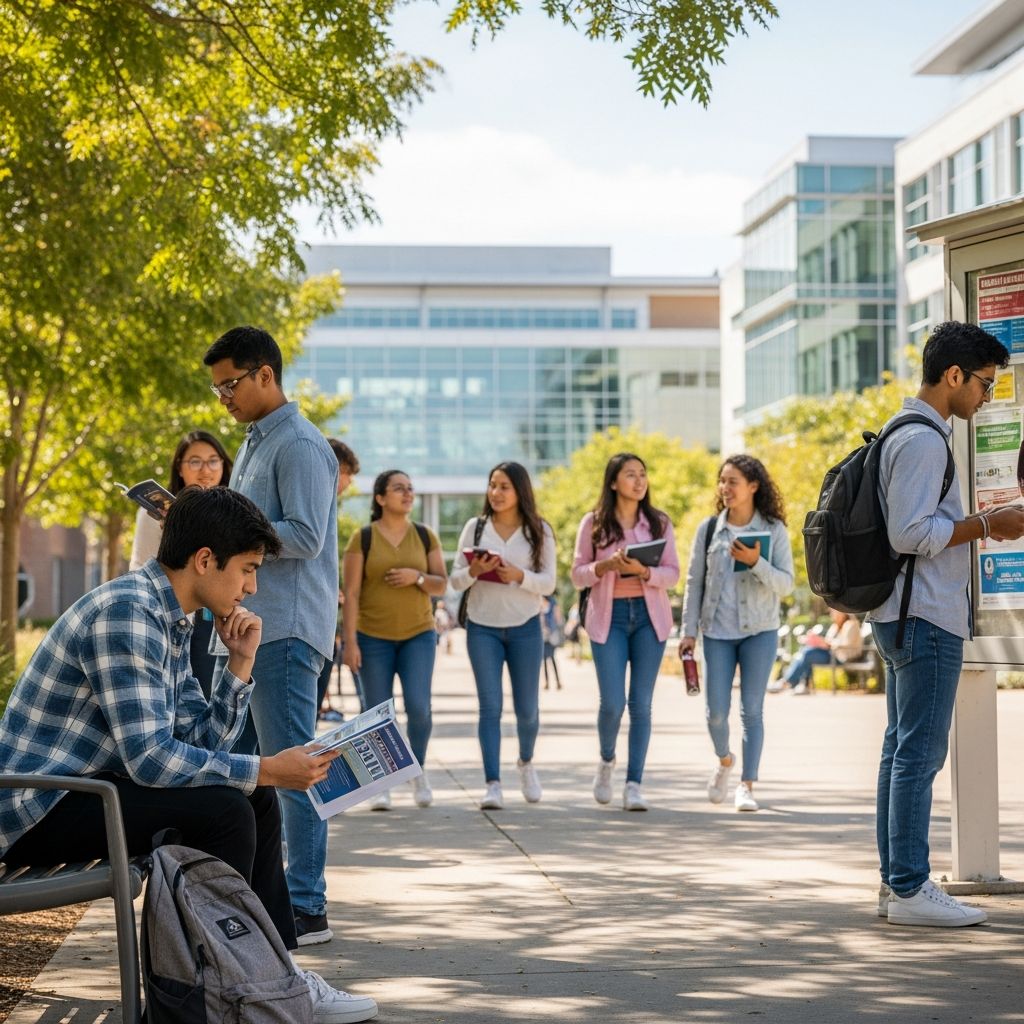
Standardized testing policies have evolved dramatically in U.S. higher education, especially since the COVID-19 disruptions accelerated test-optional and test-free approaches. For the 2026 admissions cycle, over 2,000 accredited institutions now de-emphasize or ignore SAT and ACT scores, prioritizing holistic evaluations of academic records, extracurriculars, and personal narratives. This shift opens doors for diverse applicants while sparking debates on equity and merit.
Understanding Test Policies: Optional vs. Free vs. Blind
Navigating admissions requires clarity on policy types. Test-optional schools allow score submission but do not penalize its absence; admissions teams consider them if provided, alongside GPA, essays, and recommendations. Test-free policies accept scores but treat them as supplemental, not core factors. Test-blind institutions outright disregard scores—even high ones—focusing solely on transcripts and other materials.
- Test-optional: Flexible; submit if scores boost your profile (e.g., Princeton through 2025-2026).
- Test-free: Scores optional but not decisive (e.g., some state systems).
- Test-blind: Scores ignored entirely (e.g., University of California system).
This spectrum empowers students facing test access barriers, though some elite schools are reversing course.
Why Policies Changed: Pandemic and Equity Push
The pandemic exposed testing inequities—rural students, low-income families, and minorities often lacked prep resources or test sites. By 2020, over 1,900 schools adopted flexible policies. Data shows test-optional admits often match peers’ performance, challenging score supremacy. Critics argue blind policies overlook talent indicators, prompting reinstatements at Yale and Harvard.
Elite Institutions Embracing Flexibility
Top-ranked universities signal the trend’s viability. For 2026, Columbia (#15 US News) and Princeton remain test-optional, while UC Berkeley operates test-free. Ivy holdouts like these contrast with requirers such as Dartmouth and Brown.
| Ranked University | US News Rank | Policy for 2026 | Notes |
|---|---|---|---|
| Columbia University | 15 | Test-Optional | High selectivity persists. |
| Princeton University | 1 | Test-Optional | Through 2025-2026 cycle. |
| UC Berkeley | 15 | Test-Free | System-wide UC policy. |
| Vanderbilt University | 18 | Test-Optional | Holistic focus. |
| University of Notre Dame | 18 | Test-Optional | Temporary extension. |
Public Universities Leading Test-Free Access
State systems dominate accessibility. The California State University system (23 campuses) enforces test-blind admissions, as does the University of California network. Arizona State University and Colorado State University offer test-optional paths, easing entry for in-state residents.
- California State University: Test-free across all locations.
- Arizona State University: Test-optional, large enrollment.
- University of Oregon: Test-optional for broad applicants.
Liberal Arts Colleges Prioritizing Stories Over Scores
Smaller liberal arts schools excel in holistic reviews. Williams (#1), Amherst (#2), and Swarthmore (#4) are test-optional, valuing essays and interviews. These institutions foster deep learning without numerical gates.
| Liberal Arts College | US News Rank | Policy |
|---|---|---|
| Williams College | 1 | Test-Optional |
| Amherst College | 2 | Test-Optional |
| Pomona College | 7 | Test-Optional |
| Claremont McKenna | 7 | Test-Optional (to 2027) |
| Bates College | 24 | Test-Optional |
Regional Standouts Without Testing Barriers
Beyond elites, accessible schools like Alaska Pacific University (test-free) and Marymount University (test-free) prioritize potential over percentiles. Clemson and LSU offer test-optional routes for Southern applicants.
Shifts on the Horizon: Reinstatements and Phases
Momentum reverses at some peaks. Dartmouth, Yale, Brown, Harvard, and Caltech now require tests. By class of 2030, Carnegie Mellon, Johns Hopkins, Stanford, UPenn, Cornell, and Miami phase out optional status. University of Alabama plans reinstatement by 2028.
- Reinstated immediately: Yale, Harvard, Brown.
- Phasing out: Stanford, UPenn (2030).
- Public shifts: UT Austin requires tests.
These changes reflect studies linking scores to graduation prediction, though equity concerns linger.
Building a Winning Test-Free Application
Without scores, shine elsewhere:
- GPA and Rigor: Prioritize challenging courses; unweighted GPAs above 3.8 impress.
- Essays: Craft authentic stories revealing character—avoid cliches.
- Recommendations: Secure from teachers witnessing growth.
- Activities: Depth over breadth; leadership in 2-3 passions.
- Interviews: Practice for optional alumni chats.
For test-submitters at optional schools, aim 1400+ SAT or 31+ ACT to stand out.
Pros and Cons of Test-Free Admissions
| Advantages | Disadvantages |
|---|---|
| Wider access for underrepresented groups. | May admit underprepared students. |
| Reduces stress and costs. | Harder to compare applicants objectively. |
| Holistic talent discovery. | Potential grade inflation issues. |
Over 400 permanent test-optional and 50+ test-free policies affirm the model’s staying power.
Frequently Asked Questions
Which Ivy League schools are test-optional for 2026?
Columbia and Princeton; others like Harvard and Yale reinstated requirements.
Are community colleges test-optional?
Most are test-free, focusing on placement tests or high school records.
Does submitting scores help at test-optional schools?
Yes, strong scores (top 25th percentile) bolster cases, per admissions data.
What about international students?
Policies align, but TOEFL/IELTS often required separately.
Will more schools reinstate tests?
Likely at elites; track FairTest.org for updates.
Strategic Planning for 2026 Applicants
Research each school’s policy via Common App or admissions sites—policies evolve. Build a balanced list: 2-3 reaches (e.g., Columbia), matches (e.g., Clemson), safeties (e.g., state systems). Mock interviews and essay workshops amplify strengths. By de-emphasizing tests, colleges seek resilient, multifaceted leaders—tailor your narrative accordingly.
This landscape favors proactive students. With 2,000+ options, opportunity abounds beyond scantron sheets.
References
- Test-Optional Colleges Not Requiring SAT or ACT Scores — Accredited Schools Online. 2025. https://www.accreditedschoolsonline.org/online-colleges/no-sat-or-act/
- Test-Optional Colleges 2026/27: Full List and SAT/ACT Tips — Crimson Education. 2025. https://www.crimsoneducation.org/us/blog/test-optional-colleges
- Which Colleges Are Test Optional in 2025-2026? — Ivy Coach. 2025. https://www.ivycoach.com/the-ivy-coach-blog/standardized-testing/test-optional-colleges-list/
- What Colleges Require the SAT — College Board BigFuture. 2025. https://bigfuture.collegeboard.org/plan-for-college/find-your-fit/what-colleges-require-SAT
- 2026 Best Test Optional Colleges in America — Niche. 2025. https://www.niche.com/colleges/search/best-test-optional-colleges/
- List of Colleges Dropping & Reinstating ACT/SAT Requirements — Progress Learning. 2025. https://progresslearning.com/news-blog/colleges-dropping-reinstating-act-sat-requirements/

- Integrated M.A. in Applied Linguistics, University of Hyderabad
- 5+ years in editorial, instructional, SEO, and research-based writing
Sneha is a relationships and lifestyle writer with a strong foundation in applied linguistics and certified training in relationship coaching. She brings over five years of writing experience to theskillvault, crafting thoughtful, research-driven content that empowers readers to build healthier relationships, boost emotional well-being, and embrace holistic living. Her writing and insights reflect the belief that beauty, happiness, and wellness…