
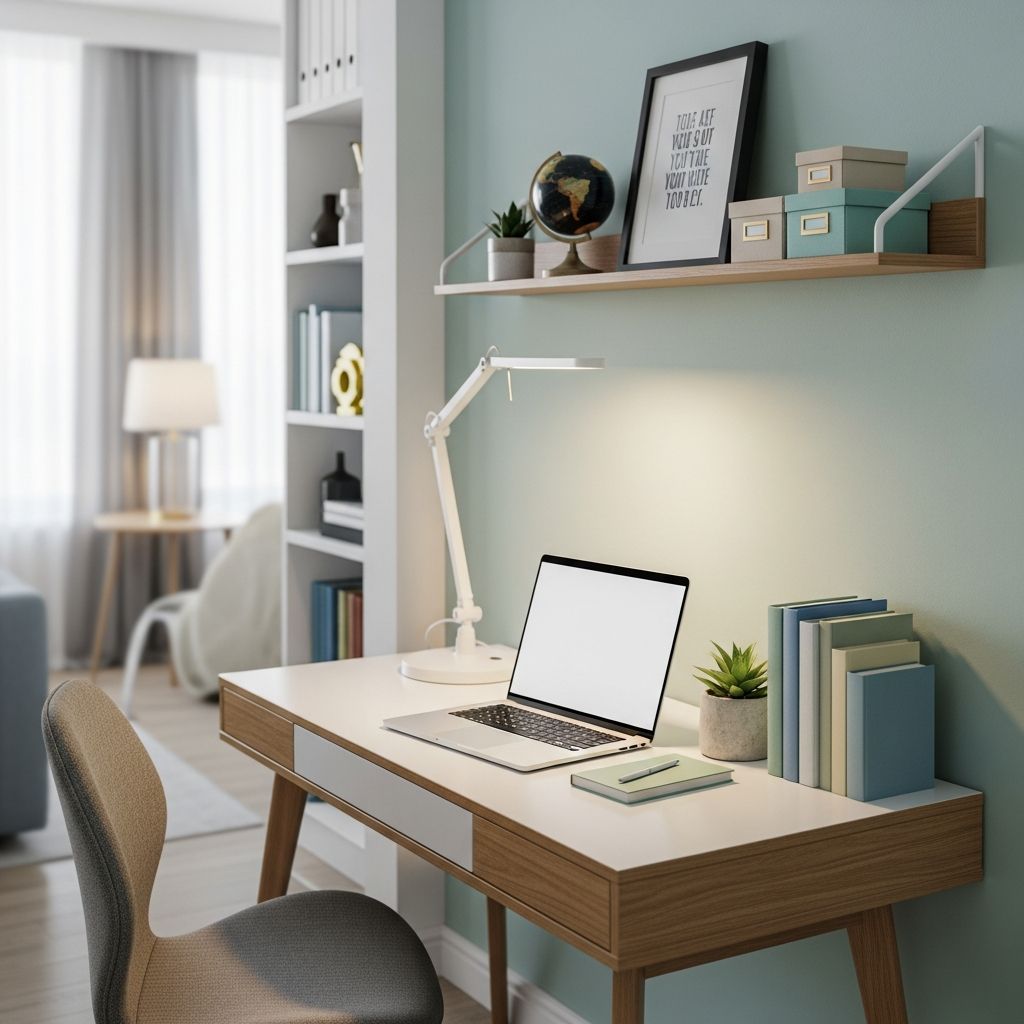
Creating a dedicated space for learning in a home with limited square footage presents unique challenges, but with thoughtful planning, any corner can become a thriving educational hub. Families engaging in homeschooling or virtual schooling often juggle multiple roles in shared areas like kitchens, living rooms, or bedrooms. The key lies in prioritizing functionality, accessibility, and aesthetics to maintain focus without overwhelming the household flow.
Assessing Your Available Area
Begin by evaluating the physical constraints of your home. Measure the potential zone—whether it’s a nook under stairs, a section of the dining table, or a bedroom corner. Consider daily routines: Will this space double as a play area or meal spot? Identify traffic patterns to avoid blocking pathways. Natural light, electrical outlets, and ventilation are crucial for comfort during extended sessions.
- Map out dimensions and note fixed features like windows or doors.
- Inventory current furnishings to see what can be repurposed.
- Prioritize zones for individual work, group activities, and supply storage.
This initial audit prevents overbuying and ensures solutions fit seamlessly. For instance, a 4×6 foot alcove can accommodate a foldable desk and wall-mounted shelves, sufficient for one or two learners.
Multi-Purpose Furniture Essentials
Opt for pieces that serve dual roles to conserve floor space. A drop-leaf table extends for lessons and folds away for family use. Ottoman storage cubes double as seating and hide supplies inside. Wall-mounted desks hinge down when needed, freeing the area for other activities.
| Furniture Type | Benefits | Space Saved |
|---|---|---|
| Foldable Wall Desk | Compact when stored; supports laptop and books | Up to 3 sq ft |
| Storage Ottoman | Seating with internal compartments | Replaces separate chair + bin |
| Rolling Stool | Adjustable height; tucks under surfaces | Minimal footprint |
| Nesting Tables | Stackable for single or group use | 50% reduction when stored |
These selections not only maximize utility but also promote a tidy appearance, blending education with home life effortlessly.
Harnessing Vertical Real Estate
Look upward to unlock untapped potential. Walls, doors, and ceilings offer expansive storage without encroaching on the floor. Install adjustable shelving units from floor to ceiling, using lower shelves for frequent access and higher ones for less-used items. Over-the-door organizers with clear pockets hold pencils, erasers, and notebooks, ideal for slim profiles.
- Adhere pegboards for hanging baskets, hooks, and clipboards.
- Suspend tension rods horizontally for fabric bins or vertical file holders.
- Mount magnetic strips for scissors, markers, and metal-backed supplies.
Affordable shelving from home stores often includes wheels for mobility. Stackable inserts between existing shelves add tiers without permanent alterations, turning a single unit into a multi-level system capable of holding hundreds of books and materials.
Mobile Storage for Flexibility
In dynamic homes, mobility reigns supreme. Carts with wheels transport supplies between rooms, adapting to shifting schedules. Tiered utility carts organize by category: top for daily tools like timers and planners, middle for manipulatives, bottom for bulk paper. Label drawers clearly—one per item type—to foster independence in younger learners.
Filing cabinets on casters manage paperwork efficiently. Dedicate drawers to subjects or dates, using hanging folders for quick retrieval. For smaller needs, drawer units under tables keep essentials at arm’s reach without visual clutter.
Underutilized Nooks and Hidden Spots
Every inch counts, including overlooked areas. Beneath tables, plastic bins or fabric drawers store crayons, glue sticks, and workbooks. Add skirts to conceal them, maintaining a polished look. Between furniture gaps, slim organizers fit perfectly for rulers or chargers.
Student desks, if available, become supply repositories instead of personal storage. In multi-child setups, assign under-desk bins per learner. Closet doors gain shoe organizers repurposed for flashcards and small games.
Decluttering and Minimalism Strategies
Less is more in confined spaces. Regularly purge unused materials—scan worksheets to digital formats for cloud storage. Rotate supplies seasonally, keeping only current curriculum visible. Color-code bins by subject: blue for math, green for science.
- Implement a “one in, one out” rule for new acquisitions.
- Use digital tools like apps for planners and shared drives for resources.
- Collaborate with co-learners or family to share thematic materials.
This approach reduces visual noise, enhancing concentration and easing transitions between learning and relaxation.
Ergonomics and Comfort Optimization
A functional space must support health. Position desks at elbow height with feet flat on the floor. Use adjustable lamps for glare-free lighting and anti-fatigue mats for standing activities. Acoustic panels or rugs dampen echoes in open areas.
Incorporate greenery—small potted plants boost mood and air quality. Ensure ventilation with fans or open windows to combat stuffiness during focused work.
Tech Integration in Tight Quarters
Virtual schooling demands cable management and device docking. Wall-mounted charging stations keep cords tangle-free. Laptop risers with built-in organizers elevate screens to eye level, reducing strain. Shared printers tuck into wall cabinets, accessible via pull-out shelves.
Wireless peripherals minimize clutter. A single multi-port hub centralizes connections for tablets, headphones, and mice.
Daily Routines for Sustained Order
Smooth operations require habits. End each session with a 5-minute tidy-up ritual. Assign roles: one child sorts art supplies, another files papers. Weekly deep cleans rotate stock and discard trash.
Visual schedules on walls guide transitions, preventing pile-ups. Baskets labeled “Return to Shelf” encourage prompt put-away.
Customizing for Different Age Groups
Tailor setups to developmental stages. Toddlers thrive with low, open cubbies for toys and puzzles. School-agers need desk space for writing with nearby reference charts. Teens benefit from modular pods for independent study.
| Age Group | Key Features | Storage Focus |
|---|---|---|
| Preschool (3-5) | Low access, colorful bins | Toys, sensory items |
| Elementary (6-10) | Personal desks, subject carts | Books, worksheets |
| Middle/High (11+) | Tech docks, file systems | Projects, notes |
Budget-Friendly Sourcing Tips
Thrift stores, online marketplaces, and dollar shops yield gems like rolling carts for under $20. DIY hacks include fabric-covered boxes for style. Repurpose household items: kitchen racks for supplies, tension rods for hanging files.
FAQs
How do I start organizing a tiny home learning space?
Measure your area, list must-haves, and prioritize vertical and mobile storage. Purge extras first for a clean slate.
What if my space serves multiple purposes?
Choose foldable, stackable items and establish clear routines for setup and breakdown.
Are expensive organizers necessary?
No—dollar store bins, repurposed furniture, and DIY solutions work wonders with proper labeling.
How can I involve kids in maintaining order?
Use kid-sized tools, visual labels with pictures, and chore charts with rewards for consistency.
What’s the best way to store digital and physical materials?
Hybrid: cloud for scans, labeled bins for hands-on items, rotated to keep active sets accessible.
References
- 7 Tips for Classroom Organization in a Small Space + FREEBIE! — Kayla Bernardez. Accessed 2026. https://www.kaylabernardez.com/7-tips-for-classroom-organization-in-a-small-space-freebie/
- Homeschooling Setup and Organization for Small Spaces — Treehouse Schoolhouse. Accessed 2026. https://treehouseschoolhouse.com/blog/homeschooling-setup-and-organization-for-small-spaces
- Small Classroom Organization Ideas: How to Maximize Your Space — Jodi Durgin. Accessed 2026. https://jodidurgin.com/classroomstoragetips/
- Back-to-School Small Space Organization Hacks — Gator Magnetics. Accessed 2026. https://gatormagnetics.com/blogs/gator-bites/back-to-school-small-space-organization-hacks
- Classroom organization materials can be incredibly effective tools — Really Good Stuff. Accessed 2026. https://www.reallygoodstuff.com/classroom-organization/c/ad/

- Integrated M.A. in Applied Linguistics, University of Hyderabad
- 5+ years in editorial, instructional, SEO, and research-based writing
Sneha is a relationships and lifestyle writer with a strong foundation in applied linguistics and certified training in relationship coaching. She brings over five years of writing experience to theskillvault, crafting thoughtful, research-driven content that empowers readers to build healthier relationships, boost emotional well-being, and embrace holistic living. Her writing and insights reflect the belief that beauty, happiness, and wellness…