
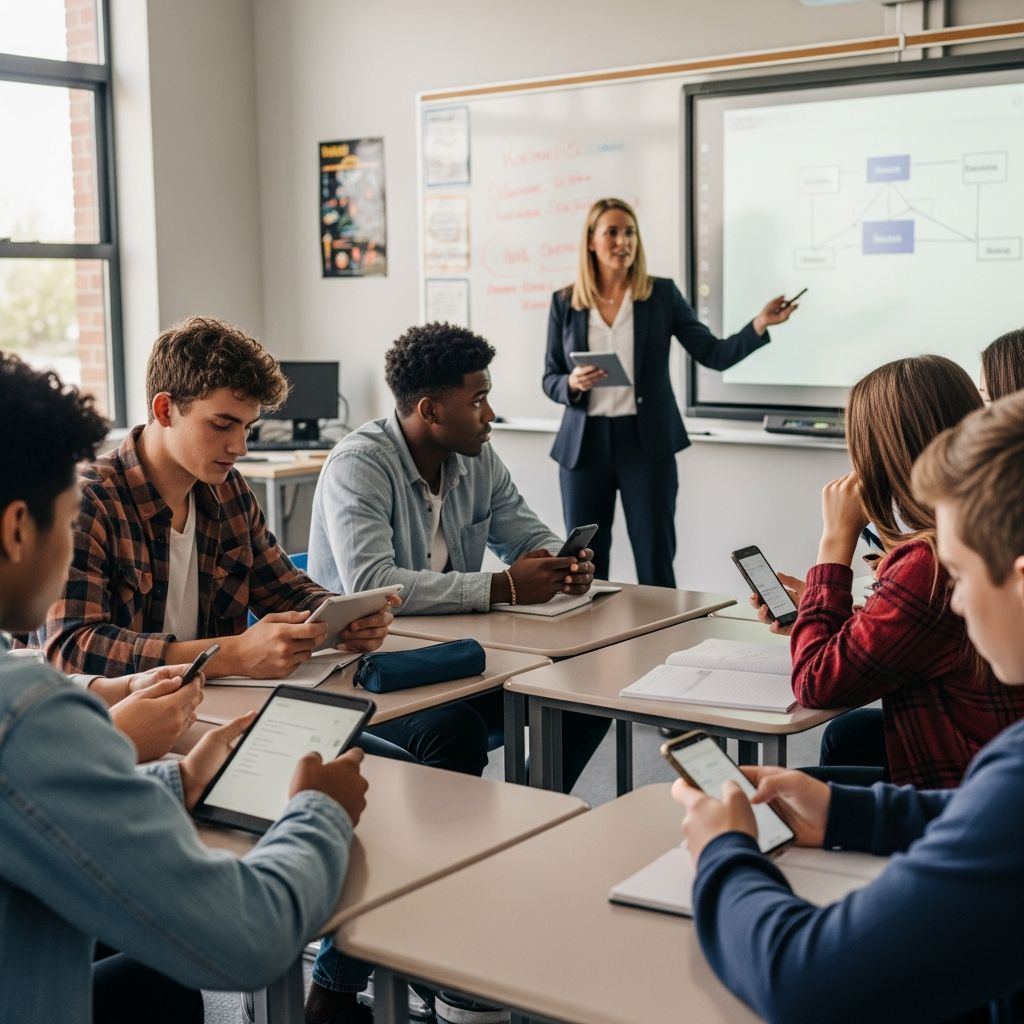
Mobile devices have become omnipresent in educational environments, presenting both opportunities and challenges for educators and administrators. While smartphones offer valuable resources for learning, their capacity for distraction significantly impacts student engagement and academic performance. Understanding how to effectively manage mobile device use during school hours requires a multifaceted approach that acknowledges the legitimate educational needs while addressing the real consequences of device-related distractions. This comprehensive guide explores practical strategies, technological alternatives, and institutional frameworks for maintaining focus in academic settings.
Understanding the Impact of Smartphone Distractions on Learning
The presence of smartphones in classrooms creates measurable disruptions to the learning process. Research indicates that students struggle significantly with device management, with studies showing that typical students cannot maintain focus without checking mobile devices for extended periods. This habitual checking behavior interrupts cognitive processes and reduces the effectiveness of instructional time.
Beyond the direct user, smartphone use creates secondary effects on surrounding students. When one student engages with their device, it can trigger distraction in peers through visual cues and social dynamics. The combination of notification alerts, incoming messages, and the psychological pull of social media creates a continuous competing stimulus for student attention that works against learning objectives.
The academic consequences extend beyond the immediate classroom session. Students who regularly use smartphones during instructional periods demonstrate lower retention of material, reduced participation in discussions, and decreased comprehension of complex concepts that require sustained attention. These cumulative effects can impact semester-long performance and overall academic achievement.
Establishing Clear Institutional Policies
Successful management of smartphone use begins with transparent, well-communicated policies that provide clear expectations for students and families. These policies should define specific scenarios where devices are permitted, prohibited, or restricted based on instructional context and classroom objectives.
Effective policies typically include:
- Designated storage locations or collection systems during instructional blocks
- Clear procedures for emergency situations where students might legitimately need device access
- Specific guidance on when and how devices might be used for educational purposes
- Consistent consequences that are proportionate and fair
- Communication protocols ensuring families understand the rationale behind restrictions
Implementation consistency matters significantly. When some teachers enforce device restrictions while others do not, students receive conflicting messages about expectations. School-wide adoption of policies ensures that behavioral expectations remain constant across classrooms and reinforces the importance of focus in learning environments.
Technology-Based Solutions and Alternatives
Modern educational technology provides viable alternatives to personal smartphones for instructional purposes. These solutions deliver the beneficial aspects of device-based learning while eliminating the distraction potential inherent in personal mobile devices.
Shared Display Systems
Interactive smartboards and projector systems transform how teachers deliver instruction. By displaying instructional materials through classroom-controlled technology, educators can present multimedia content without requiring individual student devices. This approach maintains teacher-led instruction while incorporating visual and interactive elements.
These systems allow teachers to transition from traditional lecturing to facilitated learning. Teachers can move throughout the classroom providing personalized guidance while students view instructional videos and demonstrations through the central display. This model maintains focus on learning objectives while giving teachers flexibility in instructional delivery.
School-Issued Device Programs
One-to-one device programs using school-issued laptops, tablets, or Chromebooks provide structured access to technology for learning purposes. Unlike personal smartphones, these devices can be configured with specific educational software, website restrictions, and usage limitations. Schools can establish protocols ensuring devices remain used for instructional purposes only.
When implementing school-issued programs, several design strategies enhance effectiveness:
- Devices issued only when needed for specific instructional activities
- Limited battery life or scheduled return times to prevent excessive use
- Built-in monitoring software tracking application usage and website access
- Collaborative use models where multiple students share single devices, encouraging discussion and peer accountability
- Clear digital citizenship instruction integrated into device use
Specialized Educational Platforms
Purpose-built educational platforms deliver course content, track student progress, and facilitate collaboration through devices that schools control and manage. These platforms can function across multiple device types while maintaining consistent access controls and user experiences. Teachers have visibility into student engagement and can quickly identify students needing additional support.
Creating Classroom Structures That Support Focus
Beyond policy and technology, classroom design and instructional practices significantly influence students’ ability to maintain focus without device distractions. Several structural approaches have demonstrated effectiveness.
Designated Device-Free Zones and Times
Establishing specific periods or physical spaces where devices are completely unavailable helps create environments optimized for focused learning. Some schools designate entire periods as device-free, while others identify specific classroom zones where devices cannot be used. This creates clear behavioral expectations and removes the temptation of distraction during critical instructional moments.
Collaborative Learning Structures
When instructional design emphasizes group work and peer interaction, students become focused on collaborative tasks rather than individual device use. Group-based learning activities where students must discuss, debate, and work together toward shared objectives naturally reduce attention to personal devices. The social accountability inherent in group work provides intrinsic motivation for staying focused on learning tasks.
Movement and Variety in Instructional Delivery
Instructional monotony increases reliance on devices as mental escape. Varied instructional methods that include discussion, hands-on activities, movement, and interactive elements maintain student engagement naturally. When students find instruction genuinely engaging, device distraction becomes less appealing.
Supporting Digital Literacy and Responsible Technology Use
Rather than treating technology management purely as a restriction problem, forward-thinking educators use device policies as teachable moments about digital citizenship and intentional technology use.
Comprehensive digital literacy instruction includes:
- Teaching students to recognize distraction patterns and consciously manage impulses
- Discussing the psychological mechanisms behind notification design and user engagement strategies
- Practicing deliberate technology use aligned with specific goals and objectives
- Developing metacognitive awareness about how devices affect focus and learning
- Building decision-making skills for determining when device use is beneficial versus detrimental
Students who develop these competencies become more intentional technology users throughout their lives. Rather than simply complying with external restrictions, they develop internal motivation to use technology purposefully, equipping them for success in an increasingly technology-dependent world.
Implementation Strategies for Educators
Successful device management requires thoughtful implementation that considers practical classroom realities. Several proven strategies help educators effectively manage the transition to device-restricted learning environments.
Gradual Implementation
Rather than sudden, dramatic policy changes, gradual implementation allows students and families time to adjust expectations. Beginning with specific high-focus instructional periods and expanding to additional times and classes helps everyone adapt to new norms.
Transparent Communication
Sharing research about device distraction effects, explaining specific policy rationales, and acknowledging student concerns demonstrates respect while building buy-in. When students understand why device restrictions exist, compliance typically improves significantly.
Consistent Enforcement
Inconsistent application of policies undermines their effectiveness and creates perceptions of unfairness. Establishing clear procedures and applying them consistently regardless of student academic status, behavior history, or other factors builds trust in the system’s legitimacy.
Comparison of Management Approaches
| Management Approach | Key Benefits | Primary Challenges | Best Suited For |
|---|---|---|---|
| Device collection or storage | Complete distraction removal, simple implementation | Requires physical space, potential security concerns | Elementary and middle school settings |
| Shared display systems | Maintains multimedia content delivery, teacher-controlled | Requires technology investment and maintenance | All grade levels, especially large group instruction |
| School-issued devices | Provides technology access with control, supports learning needs | Significant cost, device management complexity | Secondary schools with specific technology needs |
| Designated device-free times | Flexible, maintains emergency access capability | Requires sustained student self-regulation | Classrooms with mature student populations |
| Collaborative learning structures | Supports engagement, develops social skills, intrinsic motivation | Requires instructional redesign, teaching skill development | All settings, particularly effective when combined with other approaches |
Addressing Common Implementation Challenges
Emergency Access Concerns
Families frequently express concerns about emergency communication. Addressing this involves designating specific channels for emergencies (such as school office phones), clearly communicating procedures to families, and acknowledging that true emergencies have always existed and can be managed through existing office communication systems.
Student Resistance and Pushback
Students may resist device restrictions, arguing devices are necessary for learning or emergency contact. Rather than dismissing these concerns, educators can acknowledge them while explaining specific classroom learning objectives and demonstrating how learning outcomes actually improve with focused attention.
Equity and Access Issues
When some students have personal devices while others do not, restrictions can create equity problems. Ensuring school-provided alternatives are available to all students eliminates this concern and prevents devices from becoming markers of socioeconomic difference.
Frequently Asked Questions
Are smartphones ever appropriate tools for classroom learning?
Yes, smartphones can support specific learning objectives when integrated intentionally. However, this requires careful instructional design, clear learning goals, and robust classroom management. Many schools find that school-issued devices or shared display systems achieve the same learning outcomes without the distraction risks inherent in personal smartphones.
How do device restrictions affect students who need phones for medical conditions?
Schools should develop individualized accommodation plans for students with genuine medical needs. This might include designated times and locations for checking devices, specific communication protocols, or alternative devices designed for specific medical purposes. These accommodations maintain the overall policy while addressing legitimate individual needs.
What about students from families that expect constant communication access?
Clear communication with families about school hours, designated emergency procedures, and explanation of learning benefits typically builds understanding. Many families appreciate learning about research showing improved academic outcomes when device distractions are minimized.
Can device restrictions actually improve academic performance?
Research strongly supports that reducing device distractions improves focus, comprehension, and retention. Students in device-restricted environments typically demonstrate improved grades, better participation, and higher engagement in classroom discussions.
Long-Term Benefits Beyond Academics
Beyond immediate academic improvements, helping students develop focus and self-regulation skills creates benefits extending throughout their lives. Students who learn to minimize unnecessary distractions develop stronger concentration abilities, improved mental health outcomes related to social media exposure reduction, and more intentional technology habits.
Creating school environments where undivided attention is the norm establishes cultural expectations that benefit students’ academic careers and personal development. As students move through education and into professional environments, these foundational skills in managing technology and maintaining focus become increasingly valuable.
References
- No Cell Phones In Class, No Problem With PLT4M — PLT4M. 2024. https://plt4m.com/blog/no-cell-phones-in-class-no-problem/

Medha Deb is an editor with a master's degree in Applied Linguistics from the University of Hyderabad. She believes that her qualification has helped her develop a deep understanding of language and its application in various contexts. Medha specializes in the areas of beauty, health, sports, and wellness and is committed to ensuring that the content on the website is…