
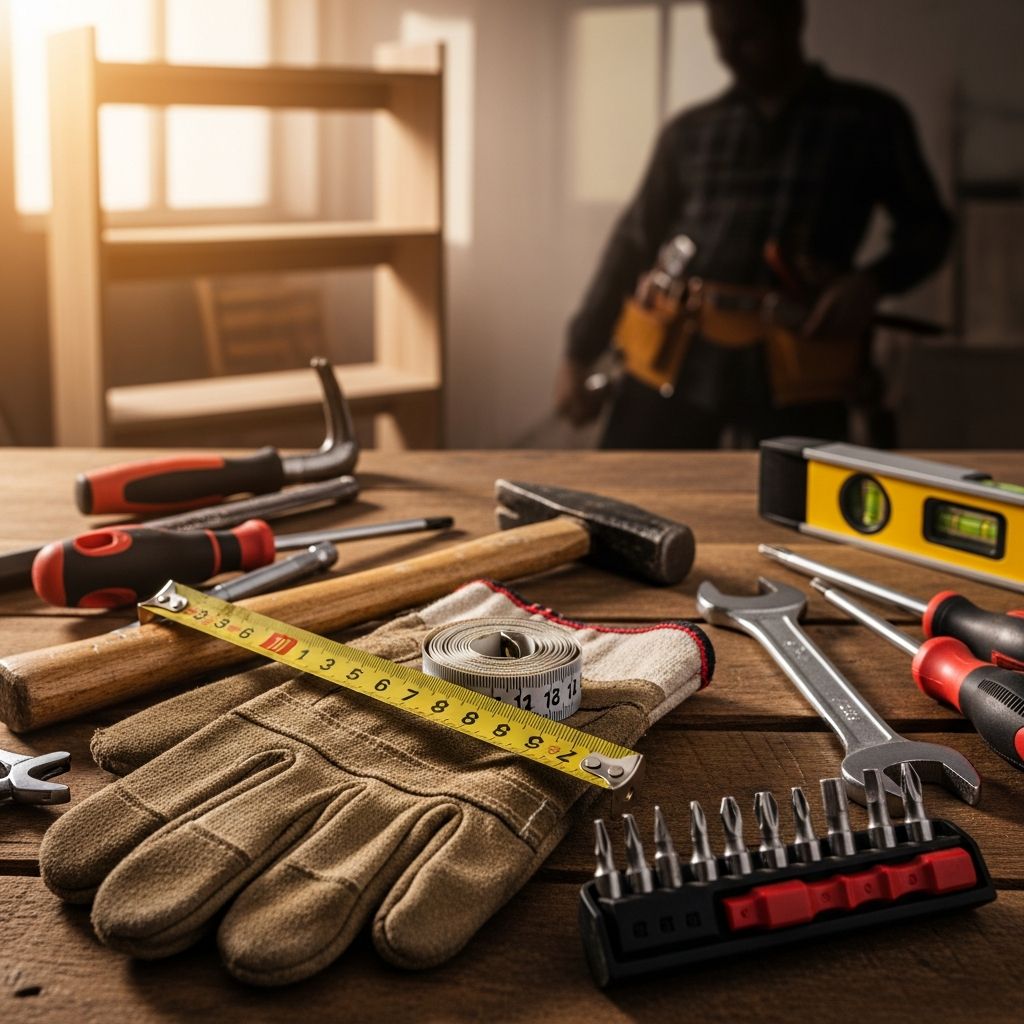
Becoming a proficient handyman requires a blend of practical repair abilities, strong business practices, and interpersonal finesse. These competencies enable individuals to handle household fixes independently or build a sustainable service enterprise. This guide delves into foundational techniques, operational strategies, and relational dynamics essential for excelling in the field.
Building a Strong Technical Foundation
Technical prowess forms the bedrock of handyman work. Mastering core repair disciplines ensures reliable outcomes for everyday home issues. Focus on areas like woodworking, electrical tasks, water systems, and surface finishing to cover most client demands.
Woodworking Essentials
Woodworking involves constructing, repairing, and installing wooden elements. Common jobs include assembling shelving units, fixing damaged furniture, or securing cabinets. Precision is key; measure twice, cut once to avoid waste. Essential tools comprise saws, drills, sanders, and clamps. For larger projects like decking, verify local licensing rules to comply with regulations.
- Practice cutting straight lines with a circular saw for clean edges.
- Use wood glue and screws for durable joints in furniture repairs.
- Sand surfaces smoothly before finishing to achieve professional results.
Basic Electrical Knowledge
Electrical work demands caution due to shock risks. Handymen typically manage minor tasks like swapping outlets, installing fixtures, or replacing switches. Always de-energize circuits first using breakers. Tools needed: voltage tester, wire strippers, and screwdrivers. Licensing may apply for anything beyond basics, ensuring safety standards.
| Task | Tools Required | Safety Step |
|---|---|---|
| Replace light switch | Screwdriver, voltage tester | Turn off power at breaker |
| Install ceiling fixture | Ladder, wire nuts | Test for live wires |
| Fix loose outlet | Wire strippers, pliers | Secure ground connection |
Plumbing Fundamentals
Plumbing fixes address leaks, clogs, and fixture swaps. Unclog drains with plungers or snakes, repair faucets by replacing washers, and install toilets by securing flanges. Shut off water supplies before starting. Stock pipe wrenches, Teflon tape, and plungers. Advanced pipe work often requires certified plumbers.
Painting and Finishing Techniques
Painting refreshes spaces economically. Prep by cleaning surfaces, patching holes with spackle, and taping edges. Apply primer for adhesion, then use rollers for walls and brushes for trim. Choose quality paints for longevity. Deck sealing prevents weathering.
Assembling Your Essential Toolkit
A well-equipped toolbox empowers efficient work. Start with basics and expand as skills grow. Prioritize multi-use items for versatility.
- Hammer and screwdrivers: For nails, screws, and assembly.
- Tape measure and level: Ensure accuracy in alignments.
- Pliers and wrenches: Grip pipes and wires securely.
- Power drill: Drills holes and drives fasteners quickly.
- Utility knife and WD-40: Cuts materials and loosens stuck parts.
Invest in durable brands to withstand frequent use. Organize tools in a portable chest for on-site jobs.
Business Operations for Handymen
Beyond repairs, operational savvy distinguishes thriving handymen. Manage time, finances, and marketing to sustain income.
Time Management Strategies
Schedule jobs realistically, factoring travel and prep. Use apps for calendars and reminders. Batch similar tasks to minimize setup time.
Financial Tracking
Track invoices, expenses, and payments meticulously. Software simplifies bookkeeping, helping calculate profits and taxes. Quote transparently to build trust.
Marketing Your Services
Promote via local ads, social media, and referrals. Highlight specialties like quick fixes or eco-friendly methods. A professional website showcases portfolios.
Interpersonal and Soft Skills
Client interactions drive repeat business. Excel in communication, adaptability, and reliability.
- Listen actively to diagnose issues accurately.
- Explain processes clearly, avoiding jargon.
- Adapt to unexpected challenges calmly.
- Maintain punctuality and clean work sites.
Safety Protocols Every Handyman Must Follow
Safety prevents injuries and liabilities. Wear gloves, goggles, and sturdy shoes. Use ladders properly, secure work areas, and follow tool manuals. For electrical or plumbing, know limits and call specialists if needed.
Advancing Your Handyman Career
Continuous learning elevates expertise. Enroll in workshops at hardware stores or online courses. Practice on personal projects to refine techniques. Certifications in specific trades boost credibility.
Turning skills into a business involves insurance, licensing checks, and client contracts. Network with contractors for referrals. Track industry trends like smart home installs.
FAQs
What are the most in-demand handyman skills in 2026?
High-demand areas include smart device setups, energy-efficient repairs, and basic appliance fixes alongside traditional carpentry and plumbing.
Do I need licenses for handyman work?
Basic tasks often don’t require licenses, but electrical, plumbing, or large projects may. Check local regulations.
How can beginners start learning handyman skills?
Begin with YouTube tutorials, practice small home fixes, and invest in core tools. Join community workshops.
What’s the best way to price handyman services?
Charge hourly or per job, factoring materials, travel, and expertise. Research local rates for competitiveness.
Can handyman skills lead to a full-time business?
Yes, with marketing, reliability, and skill expansion, many turn it into profitable ventures.
References
- Essential Handyman Skills: Learn Them This Weekend — Care and Repair. 2023. https://careandrepair.com/blog/essential-handyman-skills-you-can-learn-this-weekend/
- 13 Essential Skills Every Handyman Needs to Succeed — Bizinsure. 2024. https://www.bizinsure.com/handyman-skills-success/
- 5 Handyman Skills Every Dad Should Have — All Pro Dad. 2022. https://allprodad.com/5-handyman-skills-every-dad-should-have/

- Integrated M.A. in Applied Linguistics, University of Hyderabad
- 5+ years in editorial, instructional, SEO, and research-based writing
Sneha is a relationships and lifestyle writer with a strong foundation in applied linguistics and certified training in relationship coaching. She brings over five years of writing experience to theskillvault, crafting thoughtful, research-driven content that empowers readers to build healthier relationships, boost emotional well-being, and embrace holistic living. Her writing and insights reflect the belief that beauty, happiness, and wellness…