
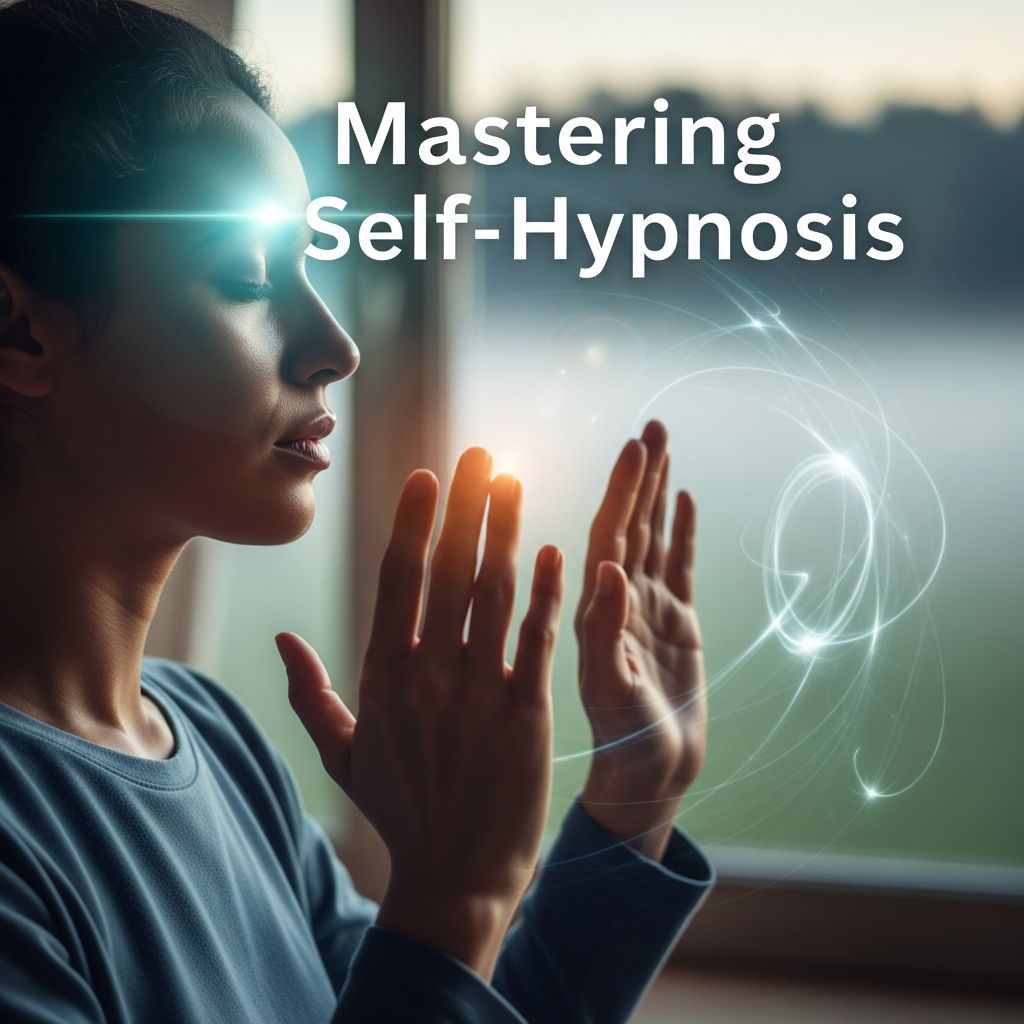
Self-hypnosis empowers individuals to harness their subconscious mind for profound personal growth. By entering a deeply relaxed state, practitioners deliver targeted suggestions that foster positive changes in behavior, emotions, and physical sensations. This accessible practice requires no external guidance, making it ideal for daily self-improvement.
Understanding the Foundations of Self-Hypnosis
At its core, self-hypnosis induces a trance-like state of heightened focus and relaxation, where the critical mind quiets, allowing suggestions to penetrate the subconscious. Unlike guided sessions with a therapist, this solitary method builds self-reliance and control over thoughts and reactions. Research supports its efficacy, showing improvements in areas like sleep quality and pain perception through consistent practice.
The process mimics natural states of absorption, such as daydreaming or deep concentration, but is intentionally directed toward specific outcomes. Practitioners report enhanced self-awareness, making it easier to rewire unhelpful patterns.
Key Benefits Across Life Domains
Self-hypnosis offers versatile applications, backed by clinical evidence. It addresses both psychological and physiological challenges by promoting relaxation and reprogramming subconscious responses.
- Stress and Anxiety Reduction: Quickly restores calm by shifting focus from worries to soothing imagery, effective in minutes.
- Enhanced Sleep Quality: A 2020 study found postmenopausal women experienced longer, higher-quality sleep after self-hypnosis, rivaling in-person therapy.
- Pain Management: Alters pain perception; one study showed over half of participants had lasting relief for months post-training. Another resolved chronic dyspnea in most patients within a month.
- Habit Change: Supports quitting smoking or alcohol by anchoring healthier behaviors in the subconscious.
- Boosted Confidence: Silences negative self-talk, fostering assertiveness and self-esteem.
These benefits extend to performance enhancement, such as preparing for exams or sports, by building self-efficacy through repeated practice.
Scientific Evidence Supporting Self-Hypnosis
Peer-reviewed studies affirm self-hypnosis’s value. For instance, children with functional abdominal pain saw resolution in three weeks after one session. Tension headache frequency decreased in youth, with adults reporting long-term reductions. The National Institutes of Health notes hypnosis induces deep relaxation with increased suggestibility, aiding symptom relief in conditions like anxiety and IBS.
| Condition | Study Findings | Source |
|---|---|---|
| Insomnia | Improved sleep duration and quality in 90 women | 2020 study |
| Pain Relief | 50%+ improvement lasting 6+ months | Hypnosis vs. biofeedback |
| Headaches | Reduced frequency in children/adults | Multiple trials |
| Dyspnea | 81% resolution in one month | Single training session |
While larger trials are needed, current data from reputable sources like Healthline and Cleveland Clinic highlight its safety and promise.
Preparing Your Mind and Environment
Success begins with optimal setup. Choose a quiet, comfortable space free from interruptions. Dim lighting and a supportive chair or lying position enhance relaxation. Practice at consistent times, like bedtime for sleep goals or mornings for motivation.
Mindset matters: Approach with curiosity, not skepticism. Belief in the process accelerates results by boosting collaboration with your subconscious. Start with short 5-10 minute sessions to build familiarity.
Step-by-Step Techniques for Beginners
Follow this structured approach to enter hypnosis safely and effectively.
- Induction: Sit or lie comfortably. Close eyes, breathe deeply—in through nose for 4 counts, hold 4, out through mouth 4. Repeat 10 times to slow your heart rate.
- Deepening: Visualize descending stairs or a peaceful path. With each step, affirm deeper relaxation: “My body grows heavier, my mind clearer.” Count down from 10 to 1.
- Suggestion Phase: Deliver clear, positive statements in present tense, e.g., “I am calm and confident” or “My body heals effortlessly.” Repeat 5-10 times with vivid imagery.
- Emergence: Count up from 1 to 5, affirming alertness and integration of suggestions. Open eyes feeling refreshed.
For pain, imagine a dial turning down discomfort; for habits, picture yourself thriving without the old behavior.
Advanced Methods for Deeper Results
Once proficient, incorporate variations:
- Visualization Journeys: Travel mentally to a safe haven, embedding goals there.
- Post-Hypnotic Cues: Link triggers like touching your thumb to instant calm.
- Audio Aids: Use recordings to reinforce sessions, speeding progress.
- Progressive Muscle Relaxation: Tense and release body parts sequentially before suggestions.
Combine with mindfulness for amplified stress relief.
Common Challenges and Solutions
Distractions arise; gently redirect focus without judgment. If mind wanders, that’s normal—return to breath. Skepticism fades with practice as tangible benefits emerge. Avoid during driving or machinery operation.
For deeper issues like severe anxiety, pair with professional therapy; self-hypnosis complements but doesn’t replace it.
Integrating Self-Hypnosis into Daily Routines
Consistency is key. Aim for daily practice to reinforce neural pathways. Track progress in a journal: note sessions, suggestions, and outcomes. Adapt for specifics—like pre-meal hypnosis for weight goals.
Long-term, it builds resilience, turning challenges into growth opportunities.
Frequently Asked Questions (FAQs)
Is self-hypnosis safe for everyone?
Yes, it’s highly safe with no reported adverse effects in studies. Consult a doctor for serious conditions.
How long until I see results?
Many notice shifts in days; habits like smoking cessation may take weeks of repetition.
Can it replace therapy?
No, it’s a supportive tool. Use alongside professional care for complex issues.
Do I need prior experience?
No, beginners succeed with guided steps. Practice enhances depth.
What if I can’t visualize?
Use feelings or words instead; all senses work.
Conclusion: Empower Your Future Today
Self-hypnosis transforms lives by granting control over mind and body. Start small, persist, and witness empowerment unfold. Backed by science from Mayo Clinic to NIH, it’s a timeless skill for modern wellness.
References
- What Is Self-Hypnosis and How Do I Do It? — Cleveland Clinic. 2023. https://health.clevelandclinic.org/self-hypnosis
- Self-Hypnosis: Benefits, How to Try It & More — Healthline. 2023-10-20. https://www.healthline.com/health/mental-health/self-hypnosis
- Self-Hypnosis: What It Is & How to Do It — Nerva Health (Mindset Health). 2023. https://www.nervahealth.com/post/self-hypnosis
- Hypnosis and relaxation therapies — PMC – NIH. 2004-12-31. https://pmc.ncbi.nlm.nih.gov/articles/PMC1071579/
- The importance of self-hypnosis — Bristol Hypnotherapy. 2018-04-01. https://www.bristolhypnotherapy.co.uk/blog/2018/04/the-importance-of-self-hypnosis.html
- Hypnosis — Mayo Clinic. 2023. https://www.mayoclinic.org/tests-procedures/hypnosis/about/pac-20394405

Medha Deb is an editor with a master's degree in Applied Linguistics from the University of Hyderabad. She believes that her qualification has helped her develop a deep understanding of language and its application in various contexts. Medha specializes in the areas of beauty, health, sports, and wellness and is committed to ensuring that the content on the website is…