
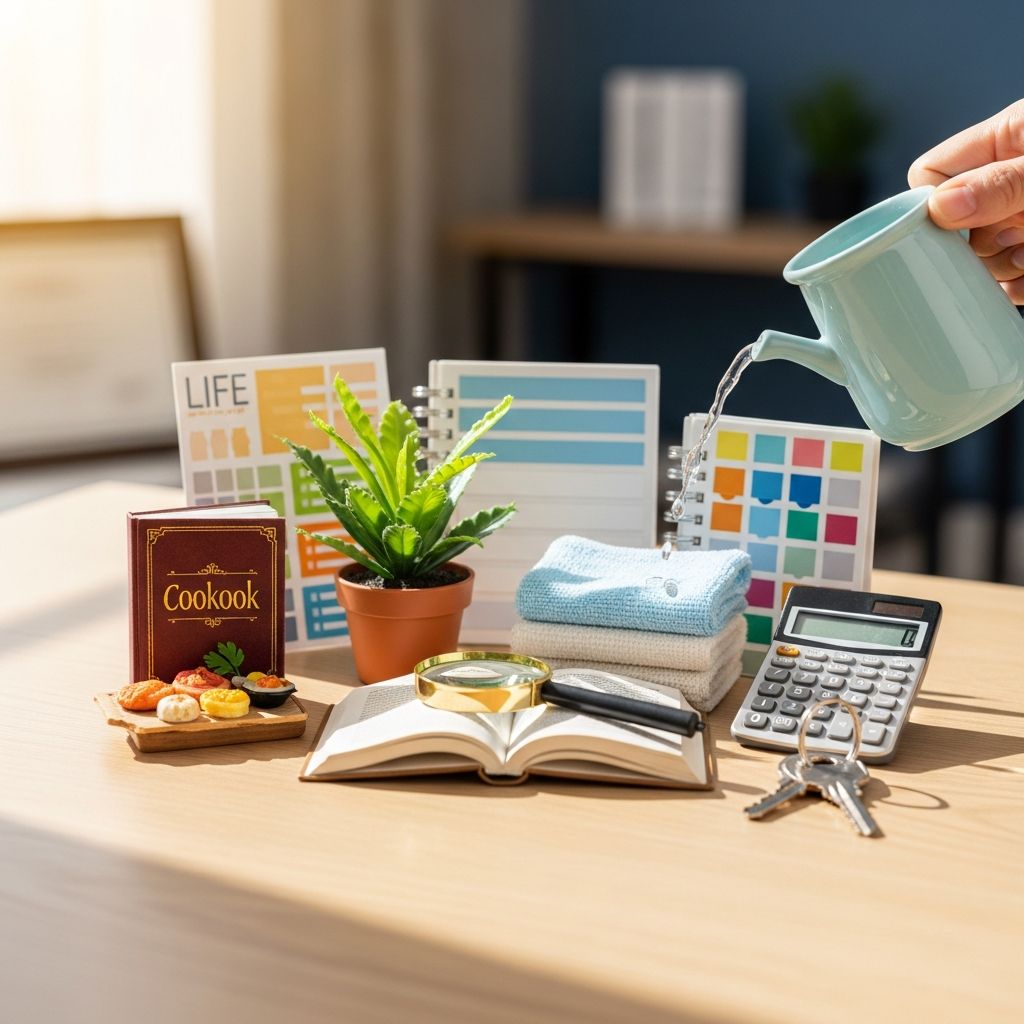
Life skills therapy represents a vital approach in mental health treatment, focusing on equipping individuals with actionable competencies to handle everyday challenges. This method goes beyond traditional talk therapy by emphasizing hands-on learning in areas like decision-making, emotional control, and social interaction, leading to improved overall functioning and reduced relapse risks.
Understanding the Foundations of Life Skills Therapy
At its core, life skills therapy integrates practical training into mental health care, targeting adolescents, young adults, and those in recovery from substance use or psychological disorders. Programs typically involve group sessions, role-playing, and personalized counseling to address deficits in coping mechanisms. Unlike symptom-focused interventions, this therapy builds a toolkit for independent living, promoting self-reliance and proactive problem-solving.
Participants often enter these programs facing issues such as social withdrawal, low self-worth, or impulsive behaviors. Therapists tailor content to individual needs, covering essentials like financial planning, time management, and conflict resolution. Research highlights its role in decreasing anxiety, depression, and stress symptoms, particularly among college-aged individuals.
Key Benefits for Mental Health and Recovery
Engaging in life skills therapy yields measurable improvements across multiple domains. It fosters resilience by teaching adaptive strategies that prevent setbacks in recovery journeys.
- Boosted Self-Confidence: Through mastery of daily tasks, individuals gain a sense of accomplishment, countering feelings of inadequacy.
- Reduced Substance Reliance: Structured guidance on habit replacement diminishes addictive patterns and supports sobriety maintenance.
- Lowered Aggressive Tendencies: Enhanced emotional awareness helps regulate impulses, leading to calmer interactions.
- Diminished Suicidal Ideation: Improved coping skills correlate with fewer self-harm thoughts and behaviors.
These outcomes extend to broader well-being, with studies showing sustained mental clarity and positive attitude shifts toward challenges.
Core Competencies Developed in Sessions
Life skills therapy curricula prioritize universally applicable abilities. Sessions break down complex skills into digestible steps, reinforced through practice and feedback.
| Competency | Description | Real-World Application |
|---|---|---|
| Problem-Solving | Systematic process: identify issue, brainstorm options, evaluate, act, review. | Navigating job conflicts or personal dilemmas. |
| Communication | Articulating thoughts clearly in group settings and one-on-one. | Building professional networks or family bonds. |
| Stress Management | Techniques like mindfulness breathing and routine exercise. | Handling work pressure or unexpected crises. |
| Emotional Regulation | Recognizing triggers and applying calming strategies. | Maintaining composure during arguments. |
| Financial Literacy | Budgeting, saving, and debt management basics. | Achieving economic independence post-rehab. |
These skills interconnect, creating a robust framework for holistic growth. For instance, better communication enhances interpersonal effectiveness, which in turn supports stress reduction.
How Life Skills Therapy Operates in Practice
Sessions blend education, experiential activities, and peer support. Group formats encourage sharing, allowing participants to witness diverse coping strategies. A typical program might span weeks, with progressive challenges: starting with basic self-awareness exercises and advancing to simulated real-life scenarios like job interviews.
Individual counseling complements groups, addressing unique barriers such as trauma-related isolation. Therapists use modeling—demonstrating skills—followed by participant trials and constructive feedback. This scaffolding ensures skill transfer to outside environments, crucial for long-term success.
In rehabilitation settings, therapy integrates with medical care, targeting co-occurring issues like addiction. Participants learn to identify relapse triggers through self-awareness modules, then apply decision-making to avoid them.
Enhancing Social Connections and Relationships
Social deficits often exacerbate mental health struggles. Life skills therapy counters this by prioritizing interpersonal training. Role-playing builds empathy and active listening, transforming awkward exchanges into confident dialogues.
- Practice daily interactions in safe spaces.
- Receive peer insights for behavioral tweaks.
- Develop bonds that extend beyond therapy.
Outcomes include stronger family ties and community involvement, reducing isolation. For young adults, this prepares them for workplaces and friendships, boosting employability via teamwork and negotiation practice.
Stress Management and Emotional Resilience Building
Chronic stress undermines recovery. Therapy introduces tools like progressive muscle relaxation and cognitive reframing to interrupt negative cycles. Participants track stressors, dissect their roots, and test management tactics.
Programs emphasize patience cultivation through mindfulness, alongside physical outlets like yoga. These practices not only lower immediate tension but also build a resilient mindset, viewing obstacles as solvable rather than overwhelming. Emotional regulation modules teach labeling feelings without judgment, preventing escalation.
Pathways to Independence and Future Readiness
A hallmark of life skills therapy is its forward-looking design. As proficiency grows, participants assume greater autonomy, simulating post-therapy life. This includes routine scheduling, goal-setting workshops, and relapse prevention planning.
Graduates report heightened self-efficacy, the belief in one’s capabilities to effect change. This mindset encourages healthy risks, like pursuing education or careers, while maintaining accountability. Tailored aftercare reinforces gains, ensuring skills endure.
Evidence from Research and Real-World Impact
Peer-reviewed studies affirm efficacy. A PMC analysis found life skills interventions significantly alleviate depression and anxiety by bolstering coping capacities. Clinical programs note drops in substance use and aggression, alongside rises in adaptive behaviors.
For vulnerable groups like teens, early intervention yields lifelong dividends, from academic success to stable relationships. Integrating these programs into standard care enhances outcomes across demographics.
Frequently Asked Questions
What distinguishes life skills therapy from conventional counseling?
It focuses on practical, teachable abilities rather than solely exploring past events, blending action with insight for immediate applicability.
Who benefits most from these programs?
Individuals in mental health recovery, those with addiction histories, or young adults facing transitional stresses see profound gains.
How long does it take to notice improvements?
Many report confidence boosts within weeks, with sustained changes evident after 2-3 months of consistent participation.
Can life skills therapy be done online?
Yes, virtual groups effectively deliver content, especially for accessibility in remote areas.
Is it suitable for all ages?
Primarily teens and adults, but adaptable versions exist for children and seniors.
Overcoming Common Challenges in Therapy
Resistance may arise from skepticism or habituated patterns. Therapists mitigate this via motivational interviewing, highlighting personal wins early. Group dynamics also inspire through peer modeling. For cognitive impairments, simplified modules and repetition ensure comprehension.
Sustaining motivation post-program requires community follow-ups and self-monitoring apps, bridging therapy to daily life.
References
- Benefits of Life Skills Training as Mental Health Therapy — Premium Legacy Healthcare. 2023. https://premiumlegacyhealthcare.org/benefits-of-life-skills-training-as-mental-health-therapy/
- Experience Lasting Change With Life Skills Group Therapy — Cottages on Mountain Creek. 2023. https://cottagesonmountaincreek.com/life-skills-group-therapy/
- The Benefits of Life Skills Training in Mental Health Rehabilitation — The High Point Residence. 2023. https://www.thehighpointresidence.com/blog/the-benefits-of-life-skills-training-in-mental-health-rehabilitation
- What to Expect in Life Skills Therapy — Nova Recovery Center. 2023. https://www.novarecoverycenter.com/treatment/what-to-expect-in-life-skills-therapy/
- Life Skills Therapy — Agape Behavioral Center. 2023. https://agapebehavioral.com/life-skills-therapy/
- The Benefits of Learning Life Skills in Recovery — Insight Recovery Asheville. 2023. https://insightrecoveryasheville.com/rehab-blog/the-benefits-of-learning-life-skills-in-recovery/
- Effectiveness of Life Skills Intervention on Depression, Anxiety and… — PMC (PubMed Central). 2023-07-01. https://pmc.ncbi.nlm.nih.gov/articles/PMC10325125/

- Integrated M.A. in Applied Linguistics, University of Hyderabad
- 5+ years in editorial, instructional, SEO, and research-based writing
Sneha is a relationships and lifestyle writer with a strong foundation in applied linguistics and certified training in relationship coaching. She brings over five years of writing experience to theskillvault, crafting thoughtful, research-driven content that empowers readers to build healthier relationships, boost emotional well-being, and embrace holistic living. Her writing and insights reflect the belief that beauty, happiness, and wellness…