
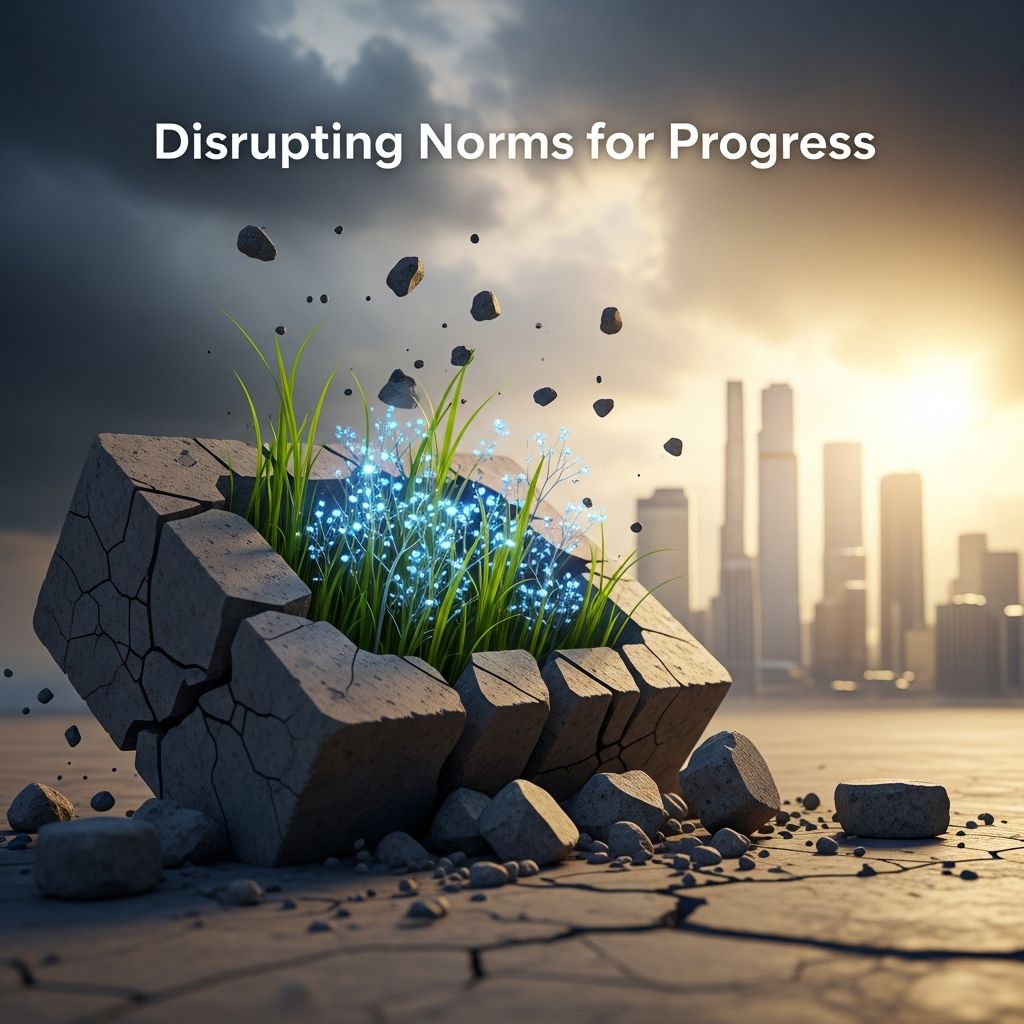
In today’s fast-paced professional landscape, clinging to traditional methods can stifle innovation and hinder advancement. Challenging established practices opens doors to efficiency gains, fresh perspectives, and sustainable success. This article delves into actionable strategies for recognizing when to push boundaries, engaging stakeholders, and implementing transformative ideas without derailing team dynamics.
Recognizing When Change is Essential
Every organization develops routines that streamline operations, but these can evolve into rigid barriers over time. Behavioral patterns, often rooted in past successes, automate decision-making and blind teams to emerging opportunities or threats. Psychologists note that mental models simplify complex environments, yet they filter out inconsistencies that signal the need for evolution.
Consider how automated responses—much like ingrained habits from childhood—shape daily workflows. These scripts promote efficiency but discourage deviation, leading to phrases like “this is how we’ve always done it.” To break free, evaluate your current setup: if a successor could immediately spot improvements, it’s time to act preemptively.
- Assess recurring frustrations in processes, such as redundant reporting or outdated tools.
- Monitor external shifts, like technological advancements or market demands, that render old methods obsolete.
- Reflect on personal stagnation: are skills outdated, or is reliance on positional authority limiting influence?
Probing deeper reveals hidden inefficiencies. For instance, in dynamic industries, failure to adapt invites disruption from agile competitors.
Building a Foundation for Effective Challenges
Success in disrupting norms hinges on preparation. Start by pinpointing specific pain points through systematic observation. What small tweaks, like streamlined task tracking, could yield big results? Or envision bolder moves, such as pivoting product lines to meet unmet needs.
Avoid the trap of mere complaint; channel energy into solution-oriented thinking. Those who spotlight issues without proposals often erode credibility. Instead, cultivate curiosity as a core value, embracing learning and venturing beyond comfort zones.
| Common Pitfalls | Proactive Alternatives |
|---|---|
| Complaining without solutions | Propose data-backed improvements |
| Ignoring historical context | Research past attempts and lessons |
| Rushing untested ideas | Pilot small-scale trials |
This structured approach minimizes risks and maximizes buy-in.
Mastering the Art of Inquiry
Questioning is the cornerstone of disruption. Persistently ask “why” to uncover rationales behind practices. This reveals whether traditions stem from necessity or inertia. Allow time for thoughtful responses and practice active listening to unearth unconsidered insights.
Engage diverse voices: frontline workers often hold practical wisdom overlooked by leadership. Such dialogues not only validate concerns but also spark collaborative refinements. Tools like structured questioning techniques amplify this process, transforming skepticism into momentum.
Gaining Allies and Navigating Resistance
Change rarely succeeds in isolation. Identify champions—enthusiastic colleagues who can advocate for your vision. These influencers bridge gaps, countering doubters by highlighting tangible benefits like boosted morale or revenue.
Resistance often arises from fear of failure or past traumas. Acknowledge these empathetically: “I understand previous shifts didn’t pan out, but here’s how we’ve mitigated those risks.” Frame proposals around shared value—improved productivity, better work-life balance, or competitive edges.
- Present evidence: metrics showing current gaps and projected gains.
- Start small: test ideas in one team before scaling.
- Celebrate quick wins to build confidence.
Fostering a Culture of Continuous Evolution
Individual efforts amplify when embedded in organizational ethos. Leaders play a pivotal role by modeling adaptability, updating tools, and aligning systems with progressive goals. For example, customer-centric cultures thrive with software that facilitates knowledge sharing.
Encourage inclusive environments where all feel safe to contribute ideas. This demands courage to confront biases and embrace diverse problem-solving styles, such as those measured by innovation inventories that differentiate adaptive versus innovative thinkers.
In tech-driven eras, human skills like curiosity and growth mindsets distinguish leaders. Prioritize learning over rigid hierarchies, empowering knowledge workers to drive change.
Real-World Applications and Lessons
History brims with examples of norm-breakers reshaping industries. Ride-sharing pioneers upended taxi monopolies by leveraging mobile tech, while streaming services revolutionized entertainment distribution. On a personal scale, professionals have revamped reporting protocols by soliciting team input and securing approvals.
One manager, upon joining a new role, questioned inefficient data flows. After gathering feedback and proposing alternatives, the change was greenlit, proving fresh eyes catalyze progress. Similarly, task management innovations like visual boards have balanced workloads, enabling skill-building pursuits.
Overcoming Personal Barriers to Action
Fear of rejection or inadequacy stalls many. Counter this by building domain knowledge: immerse in the context, connect disparate ideas, and validate with peers. Courage emerges from preparation—understand why past efforts faltered to refine your pitch.
Adopt a value-centric narrative: demonstrate how changes enhance outcomes for all. This shifts focus from confrontation to collaboration, increasing acceptance rates.
Measuring Impact and Sustaining Momentum
Track progress with clear metrics: adoption rates, efficiency improvements, or satisfaction scores. Adjust based on feedback loops, ensuring changes endure. Long-term, integrate adaptability into performance goals, rewarding those who pioneer shifts.
Frequently Asked Questions
How do I know if it’s the right time to challenge a process?
Signs include persistent inefficiencies, external pressures, or personal observations of better alternatives. If it bugs you repeatedly, investigate further.
What if my idea gets rejected?
Refine based on feedback, gather more support, or pilot elsewhere. Rejection often refines ideas for future success.
Can junior employees drive change?
Absolutely—fresh perspectives hold unique value. Focus on data and allies to amplify voice.
How does challenging norms affect team morale?
Done thoughtfully, it boosts engagement; mishandled, it breeds cynicism. Prioritize empathy and clear benefits.
What’s the role of leadership in this?
Leaders model openness, provide resources, and remove barriers, creating fertile ground for innovation.
References
- The Kirton Adaption-Innovation Inventory — Kirton, M.J. Ongoing. https://www.kaicentre.com/
- Behavioral Scripts and Decision Making — Gonzales, A. (referenced in Mind Tools content). N/A. https://www.mindtools.com/as4nurl/the-agile-leader/
- Growth Mindset Research — Dweck, C.S. 2006 (updated applications). https://doi.org/10.1007/s11251-006-9010-0
- Change Management Principles — Kotter, J.P. 2012 (enduring framework). https://hbr.org/2012/08/accelerate
- Innovation and Status Quo Disruption — Harvard Business Review. 2023. https://hbr.org/2023/01/the-case-for-challenging-the-status-quo

- Integrated M.A. in Applied Linguistics, University of Hyderabad
- 5+ years in editorial, instructional, SEO, and research-based writing
Sneha is a relationships and lifestyle writer with a strong foundation in applied linguistics and certified training in relationship coaching. She brings over five years of writing experience to theskillvault, crafting thoughtful, research-driven content that empowers readers to build healthier relationships, boost emotional well-being, and embrace holistic living. Her writing and insights reflect the belief that beauty, happiness, and wellness…