
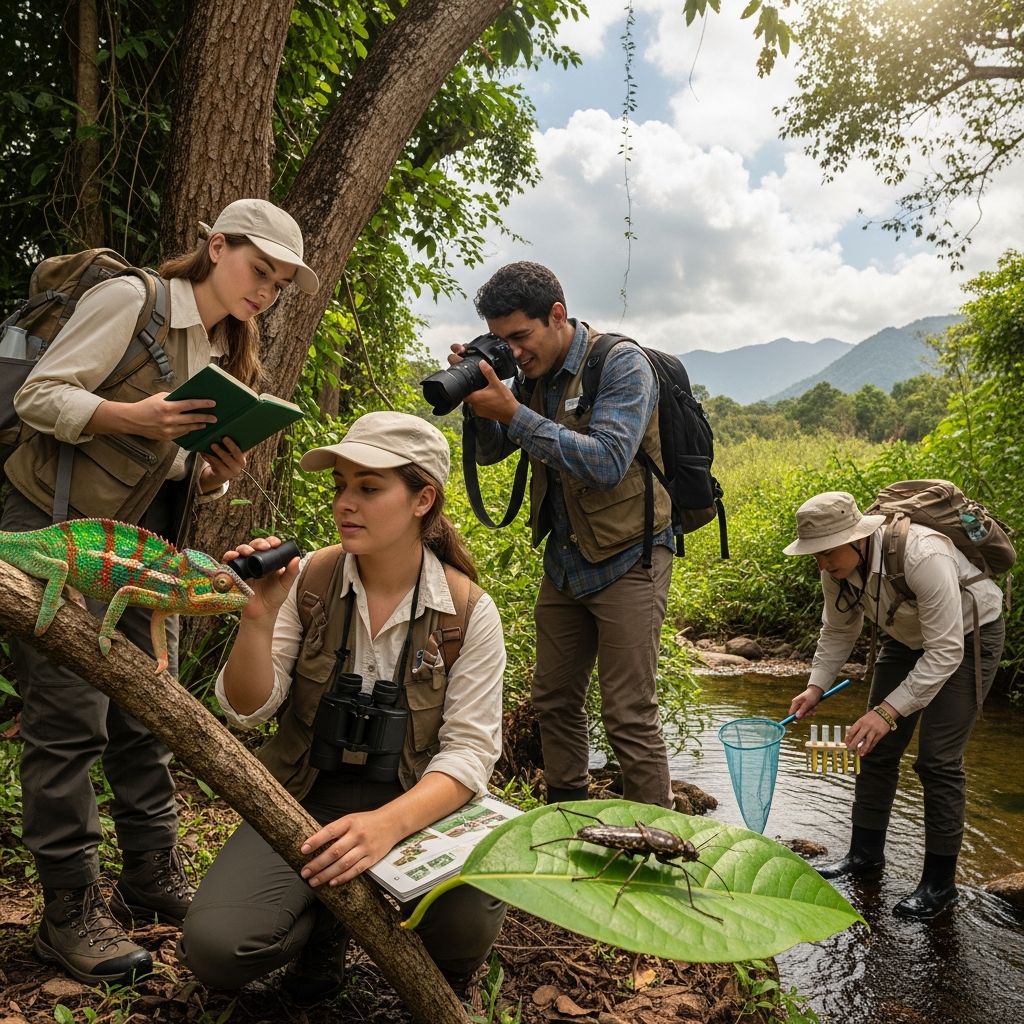
Becoming a zoologist requires a strong foundation in biological sciences, typically starting with a bachelor’s degree and often advancing to graduate studies for specialized roles. This path combines classroom learning, lab work, and fieldwork to equip professionals for studying animal behavior, conservation, and ecology.
Foundational Academic Qualifications
Entry into zoology careers demands at least a bachelor’s degree in a relevant field. Most positions, including those with government agencies or research institutions, specify this minimum requirement to ensure candidates possess core knowledge in animal biology and environmental systems.
High school preparation should emphasize sciences like biology, chemistry, and physics, alongside mathematics for data analysis. These subjects build the analytical skills essential for interpreting animal populations and habitats.
- Biology: Provides broad understanding of life sciences, held by 14% of zoologists.
- Zoology: Directly focuses on animal studies, accounting for 9% of professionals’ degrees.
- Environmental Science or Animal Sciences: Each represents 4% of degrees, emphasizing ecology and husbandry.
A bachelor’s program typically spans four years, covering evolution, ecology, genetics, and organismal diversity. Institutions like The Ohio State University require courses in these areas for their zoology major, preparing students for both entry-level jobs and further education.
Advanced Degrees for Specialization
While a bachelor’s suffices for some entry-level roles, 52% of zoologists hold a master’s degree, and advanced positions often mandate it. Ph.D.s are crucial for independent research, academia, or leadership in conservation, with 1% of professionals at this level and some roles requiring post-doctoral training.
| Degree Level | % of Zoologists | Typical Use |
|---|---|---|
| Bachelor’s | 48% | Entry-level fieldwork, technician roles |
| Master’s | 52% | Research, management positions |
| Doctorate | 1% | Independent research, professorships |
Master’s programs, such as those in Zoology at the University of Florida or Marine Vertebrate Ecology at the University of Exeter, delve into specific areas like wildlife conservation or animal behavior. Ph.D. candidates often conduct original research, publishing in peer-reviewed journals, as required for roles like the Smithsonian’s Zoologist/Biologist positions.
Key Skills Developed Through Education
Zoology training fosters a blend of technical, physical, and interpersonal abilities. Analytical thinking, data management, and bioinformatics are vital for processing field observations and genetic data.
- Observation and outdoor proficiency for tracking subtle behavioral changes in rugged terrains.
- Communication for reports, presentations, and stakeholder collaboration.
- Physical stamina to handle equipment, dive, or trek in adverse conditions.
Courses in statistical software and programming prepare graduates for modern demands like genome assembly and environmental modeling. Organizational skills ensure effective project planning, budgeting, and regulatory compliance.
Hands-On Experience and Internships
Theoretical knowledge pairs with practical training. Internships at zoos, wildlife parks, or research stations provide real-world exposure. Many programs recommend 2+ years in zoological facilities, including animal husbandry and behavioral training.
Fieldwork involves capturing animals, habitat design, and visitor engagement, building competencies in operant conditioning and welfare assessment. Participation in AZA programs or conservation initiatives enhances resumes.
Daily Responsibilities in Zoology
Zoologists analyze data, plan research trips, draft reports, and manage endangered species programs. They navigate regulations, consult on initiatives, and lead teams across labs and fields.
In specialized roles, duties include DNA extraction, exhibit planning, and behavioral shaping plans. These tasks demand versatility, from lab precision to outdoor endurance.
Career Opportunities and Outlook
Zoologists study animals in natural habitats or captivity, contributing to conservation amid growing environmental threats. The U.S. employs about 18,800 zoologists, with an average 2024 salary of $72,860.
Demand persists for professionals developing plans to protect biodiversity. Roles span government, nonprofits, zoos, and academia, with advancement tied to advanced degrees.
Choosing the Right Program
Select degrees like B.S. in Animal Health and Behavior or Wildlife Conservation for targeted preparation. Programs at Unity Environmental University emphasize rehabilitation and fisheries management. Liberal arts zoology degrees, like Ohio State’s, suit diverse paths including veterinary medicine.
Challenges and Rewards
The field offers intellectual stimulation and outdoor work but involves physical demands and irregular hours. Rewards include advancing science, preserving species, and impactful collaborations.
Frequently Asked Questions
What is the minimum education for a zoologist?
A bachelor’s degree in biology, zoology, or related fields is required for most entry-level positions.
Do zoologists need a Ph.D.?
Ph.D.s are essential for research leadership and academia, though not for all roles.
What skills are most important?
Analytical, observational, communication, and physical skills top the list.
Can I become a zoologist with just a bachelor’s?
Yes, for technician or field roles, but advancement often requires graduate study.
What jobs do zoology graduates get?
Wildlife biologist, conservationist, zookeeper, researcher.
References
- How To Become A Zoologist – Unity Environmental University — Unity Environmental University. 2024. https://unity.edu/careers/zoologist/
- What education do zoologists have? – CareerExplorer — CareerExplorer. Accessed 2026. https://www.careerexplorer.com/careers/zoologist/education/
- How to become a zoologist | Conservation Careers — Conservation Careers. Accessed 2026. https://www.conservation-careers.com/how-to-become-a-zoologist/
- How to Become a Zoologist and Wildlife Biologist – Career Girls — Career Girls. Accessed 2026. https://www.careergirls.org/careers/zoologist-wildlife-biologist/
- Zoology – The Ohio State University – Undergraduate Admissions — Ohio State University. Accessed 2026. https://undergrad.osu.edu/majors-and-academics/majors/detail/161
- Zoologists – Preparation – Illinois WorkNet — Illinois WorkNet. Accessed 2026. https://apps.illinoisworknet.com/cis/clusters/OccupationDetails/100486?parentId=110100§ion=preparation§ionTitle=Preparation

Medha Deb is an editor with a master's degree in Applied Linguistics from the University of Hyderabad. She believes that her qualification has helped her develop a deep understanding of language and its application in various contexts. Medha specializes in the areas of beauty, health, sports, and wellness and is committed to ensuring that the content on the website is…