
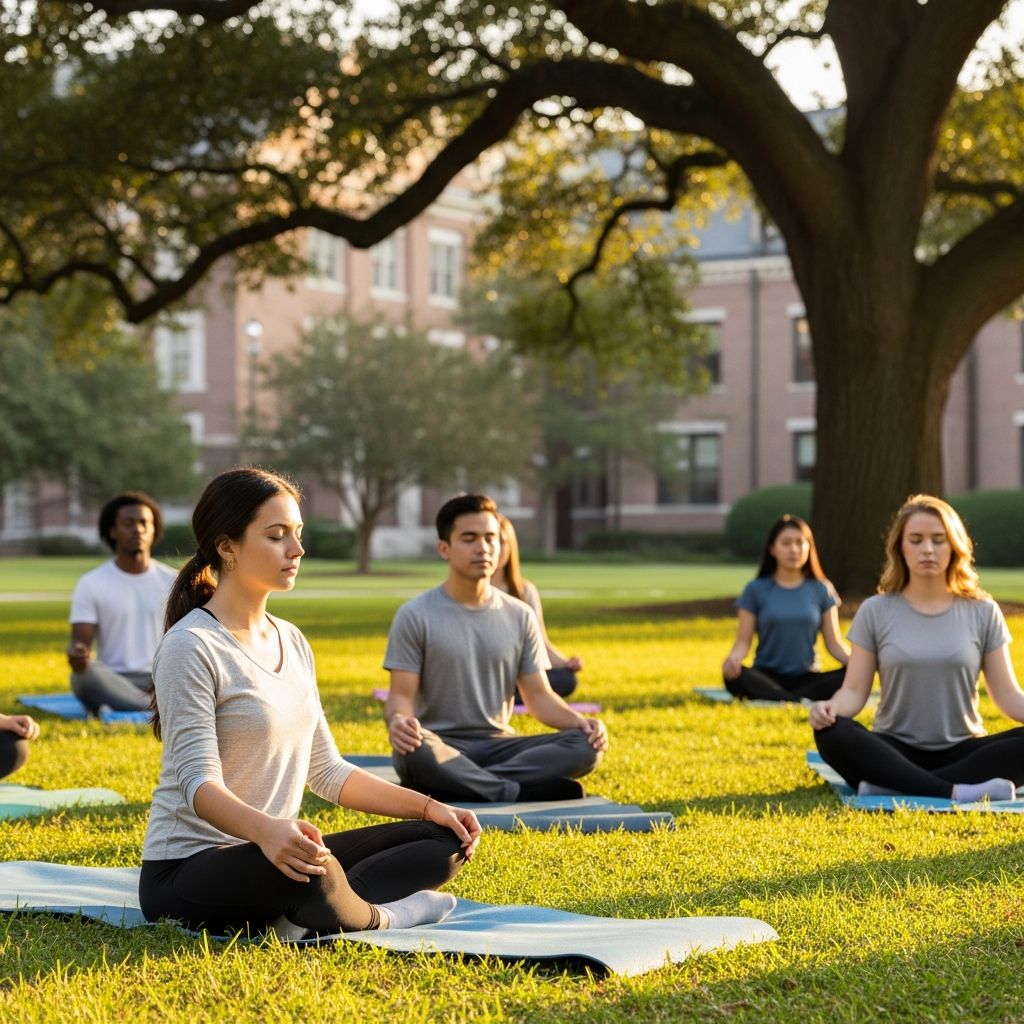
Meditation offers students a practical tool to navigate academic pressures, fostering mental resilience and cognitive sharpness in demanding environments.
Why Students Need Mindfulness Practices Today
In today’s high-stakes educational landscape, students face relentless demands from coursework, exams, and social expectations. These pressures often lead to elevated cortisol levels, impairing cognitive function and emotional stability. Regular meditation intervenes by activating the body’s relaxation response, countering stress hormones and promoting a balanced state conducive to learning.
Research from institutions like the Mayo Clinic highlights meditation’s role in cultivating calm and equilibrium, essential for sustained academic engagement. For college learners, incorporating brief sessions can yield measurable improvements in handling deadlines and multitasking.
Key Advantages of Daily Meditation
Meditation delivers multifaceted benefits, directly addressing common student challenges. Below, we outline primary gains supported by evidence.
1. Stress and Anxiety Reduction
Academic life amplifies stress, with surveys showing over 80% of students reporting high anxiety during exam periods. Meditation lowers these levels by encouraging present-moment awareness, diminishing rumination on future worries.
A six-week study on pharmacy students found weekly yoga and meditation sessions reduced perceived stress scores by 7.9 points on the Perceived Stress Scale, alongside anxiety drops. Participants reported better coping before finals, suggesting even minimal practice builds lasting resilience.
- Decreases cortisol production for physiological calm
- Promotes non-judgmental thought observation
- Reduces burnout risk in rigorous programs
2. Sharpened Focus and Concentration
Distractions from notifications and multitasking fragment attention, hindering retention. Meditation trains the mind to sustain focus, akin to strengthening a mental muscle.
Studies indicate four days of 20-minute sessions improve working memory up to tenfold, enhancing information processing critical for studying. Students practicing focused breathing report fewer mind-wanders during lectures and reading.
| Benefit | Evidence | Student Impact |
|---|---|---|
| Extended attention span | Consciousness and Cognition journal | Better note-taking and comprehension |
| Reduced distractions | Regular mindfulness practice | Higher productivity in short bursts |
| Improved multitasking | Focused meditation techniques | Efficient exam preparation |
3. Elevated Academic Achievement
Beyond symptom relief, meditation boosts performance metrics. Daily practitioners exhibit heightened attentiveness, leading to superior grades and retention.
Schools integrating 15-20 minute sessions note students outperform peers in focus-dependent tasks. This stems from enhanced neural pathways for memory and problem-solving.
4. Better Emotional Regulation and Self-Awareness
Students often struggle with emotional volatility amid failures or peer comparisons. Meditation fosters introspection, helping identify triggers without overwhelm.
By observing emotions objectively, learners develop empathy and adaptive responses, vital for group projects and leadership roles.
5. Enhanced Creativity and Problem-Solving
A relaxed mind sparks innovation. Meditation nurtures divergent thinking, enabling novel approaches to assignments and challenges.
Participants in mindfulness programs report breakthroughs in essay writing and scientific hypotheses, attributing gains to uncluttered mental space.
6. Improved Sleep Quality
Insufficient rest plagues 60% of students, exacerbating fatigue. Pre-bed meditation relaxes the nervous system, promoting deeper sleep cycles.
Regular sessions reduce insomnia symptoms, ensuring refreshed mornings for optimal learning.
7. Overall Mental Health Support
Mindfulness combats depression and ADHD symptoms by stabilizing mood and impulse control. Long-term, it builds self-efficacy, empowering students against setbacks.
Scientific Evidence Backing These Claims
Peer-reviewed research solidifies meditation’s efficacy. A pilot at the University of Rhode Island demonstrated stress reductions post-intervention, advocating curriculum integration.
Mayo Clinic endorses it for emotional health, while Healthline synthesizes 12 benefits, emphasizing anxiety control. These align with student-specific studies showing cognitive uplifts.
Practical Ways to Start Meditating
Beginners can adopt simple routines without overwhelming changes.
- Breath Awareness: Sit quietly for 5 minutes, inhaling deeply for 4 counts, holding 4, exhaling 4. Anchor to breath when mind drifts.
- Guided Sessions: Use free apps for 10-minute audios focused on student stressors like exam prep.
- Mindful Walks: Stroll campus paths phone-free, noting surroundings to ground presence.
- Pre-Study Ritual: Meditate 3 minutes before sessions to prime focus.
Consistency trumps duration; aim for daily integration, perhaps mornings or post-class.
Overcoming Common Hurdles
- Time Constraints: Short sessions suffice; even 2 minutes build habits.
- Wandering Thoughts: Normal—gently redirect without self-criticism.
- Skepticism: Track mood and grades weekly to witness progress.
Role of Schools in Promoting Meditation
Educators can embed mindfulness via clubs, breaks, or wellness classes, mirroring successful pilots. This fosters inclusive environments prioritizing holistic success.
Frequently Asked Questions
How long until I notice meditation benefits?
Many experience focus gains within days; stress relief solidifies in 2-6 weeks with consistency.
Can meditation replace therapy for anxiety?
It complements professional care but isn’t a substitute; consult experts for severe issues.
Is meditation suitable for all students?
Yes, adaptable for various ages and backgrounds, with secular options available.
Does it require special equipment?
No—any quiet space works; optional cushions enhance comfort.
How does meditation aid exam performance?
By calming nerves, sharpening recall, and sustaining attention during tests.
References
- Impact of a Yoga and Meditation Intervention on Students’ Stress — PMC/NCBI. 2019-07-01. https://pmc.ncbi.nlm.nih.gov/articles/PMC6630857/
- 10 Benefits Of Meditation For Students — K.R. Mangalam World School. 2023-01-15. https://krmangalamvaishali.com/blogs/10-benefits-of-meditation-for-students/
- Using Meditation For School Success — Oxford Learning. 2022-05-10. https://oxfordlearning.com/using-meditation-for-school-success/
- Benefits Of Meditation For Students — American University of Antigua. 2024-03-20. https://www.auamed.org/student-blog/meditation-control-train-brain/
- The Transformative Power of Meditation for Students — Chatty Matters. 2023-11-05. https://chattymatters.com/11049/articles/opinion/the-transformative-power-of-meditation-for-students/
- Meditation: A simple, fast way to reduce stress — Mayo Clinic. 2023-12-15. https://www.mayoclinic.org/tests-procedures/meditation/in-depth/meditation/art-20045858
- 12 Science-Based Benefits of Meditation — Healthline. 2024-02-28. https://www.healthline.com/nutrition/12-benefits-of-meditation

- Integrated M.A. in Applied Linguistics, University of Hyderabad
- 5+ years in editorial, instructional, SEO, and research-based writing
Sneha is a relationships and lifestyle writer with a strong foundation in applied linguistics and certified training in relationship coaching. She brings over five years of writing experience to theskillvault, crafting thoughtful, research-driven content that empowers readers to build healthier relationships, boost emotional well-being, and embrace holistic living. Her writing and insights reflect the belief that beauty, happiness, and wellness…