
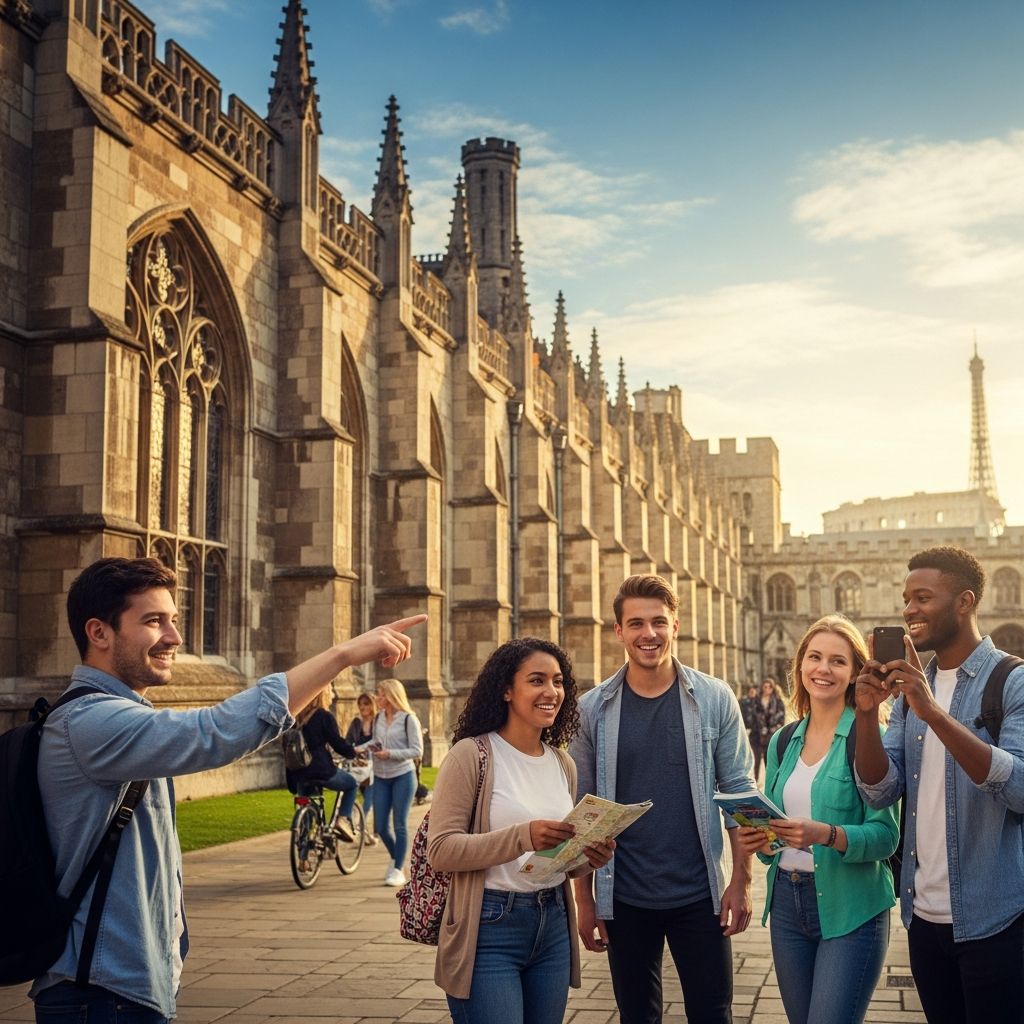
Student exchange programs offer young learners a unique gateway to international exposure, blending education with cultural immersion. These initiatives enable participants to live, study, and engage in a foreign country for a defined period, typically ranging from a few weeks to a full academic year. Rooted in the principle of mutual understanding, they bridge cultural divides and equip students with essential skills for a interconnected world.
Understanding the Essence of Student Exchanges
At their core, student exchange programs facilitate temporary relocation where participants integrate into a host family’s daily life while attending local schools. Unlike traditional study abroad options, exchanges emphasize reciprocity—often involving host students visiting the participant’s home country in turn. This bidirectional flow promotes genuine cultural dialogue and lasting bonds.
Programs vary by age group, duration, and focus. High school exchanges target teens aged 15-18, fostering early independence, while university-level ones cater to older students seeking academic credits. Short-term summer exchanges introduce younger children to global perspectives without long-term commitment. Organizations coordinate logistics, including visas, housing, and orientation, ensuring safety and smooth transitions.
Key Benefits for Personal Development
Participation in these programs catalyzes profound personal evolution. Immersed in unfamiliar settings, students confront daily challenges that build resilience and self-reliance. Managing transportation, budgeting allowances, and navigating social norms without parental guidance sharpens problem-solving abilities. Research highlights how such experiences enhance cognitive flexibility, enabling quicker adaptation to novel situations.
- Boosted Confidence: Overcoming language barriers and cultural faux pas instills a sense of accomplishment, elevating self-esteem.
- Independence Mastery: Handling household chores, school schedules, and extracurriculars solo develops practical life skills.
- Emotional Resilience: Homesickness tests emotional fortitude, leading to greater empathy and emotional intelligence upon return.
These transformations extend beyond the program, influencing career choices and interpersonal dynamics long-term. Participants often report heightened adaptability, a trait prized in dynamic professional environments.
Cultural Immersion and Global Awareness
One of the most celebrated aspects is deep cultural immersion. Students don’t merely observe; they actively participate in festivals, family traditions, and community events. This hands-on engagement dispels stereotypes and cultivates appreciation for diversity. Exposure to varied cuisines, art forms, and social customs broadens worldviews, promoting tolerance and open-mindedness.
Exchanges foster global citizenship by encouraging participants to share their own heritage. Hosts gain insights into the student’s background, creating mutual enrichment. Such interactions humanize distant cultures, turning abstract geography into personal narratives. In an era of geopolitical tensions, these experiences advocate for peace through understanding.
| Aspect | Host Country Experience | Impact on Participant |
|---|---|---|
| Daily Routines | Shared meals, local markets | Adaptability to new lifestyles |
| Social Norms | Greeting customs, etiquette | Intercultural sensitivity |
| Traditions | Holidays, rituals | Empathy and respect |
Academic Enrichment and Skill Enhancement
Academically, exchanges introduce diverse pedagogical approaches. In some nations, classrooms prioritize group projects and debates, contrasting lecture-heavy systems elsewhere. This variety hones critical thinking and collaborative skills. Many programs align curricula for credit transfer, preventing academic setbacks. Students often return with elevated GPAs, attributing improvements to refreshed perspectives.
Language acquisition accelerates dramatically through immersion. Daily conversations surpass rote classroom learning, yielding fluency in speaking and comprehension. Studies confirm immersion boosts proficiency faster than traditional methods, enhancing cognitive functions like multitasking and memory. Participants emerge bilingual or multilingual, a competitive edge in global job markets.
Building Lifelong International Networks
Exchanges forge enduring friendships that transcend borders. Bonds with host siblings, classmates, and fellow exchangers create a worldwide support network. Social media sustains these ties, facilitating future visits and collaborations. Professionally, these connections open doors to internships, job referrals, and business partnerships.
Employers increasingly seek candidates with international exposure, viewing it as proof of cross-cultural competence. Exchange alumni stand out on resumes, demonstrating initiative and adaptability. Networking during programs often leads to mentorships with local professionals, providing insider knowledge of foreign industries.
Career Acceleration Through Global Experience
The professional advantages are substantial. International stints signal to recruiters a candidate’s versatility and global mindset. Sectors like business, diplomacy, tech, and NGOs prioritize such profiles. Data shows exchange participants enjoy higher employability rates and salary premiums. Hands-on exposure to foreign work ethics and practices prepares students for multinational careers.
Many programs incorporate internships, blending study with real-world application. This practical edge differentiates applicants in competitive fields. Long-term, alumni leverage networks for entrepreneurial ventures, tapping global markets with trusted contacts.
Practical Steps to Launch Your Exchange Journey
Embarking on an exchange requires strategic planning. Begin by researching accredited organizations via official education departments. Assess eligibility: age, academics, language basics, and health. Applications demand essays, recommendations, and interviews highlighting motivation.
- Choose Duration: Short-term for trial, long-term for depth.
- Budget Wisely: Costs cover fees, travel, insurance; scholarships abound from governments and NGOs.
- Prepare Mentally: Attend orientations on culture shock and safety.
- Visa and Logistics: Secure documents early; hosts assist with enrollment.
Financial aid options include merit-based grants and host family stipends. Safety protocols, including 24/7 support and vetting, prioritize participant well-being.
Navigating Challenges and Maximizing Gains
Challenges like culture shock or academic differences are common but surmountable. Orientation sessions equip students with coping strategies. Reverse culture shock upon return—feeling out of place at home—is real; sharing experiences via school presentations aids readjustment. Programs offer re-entry support to harness newfound skills.
To maximize benefits, embrace discomfort: join clubs, volunteer, travel locally. Journaling captures growth, aiding reflection and future applications.
Frequently Asked Questions (FAQs)
What is the typical duration of a student exchange program?
Durations range from 4-8 weeks for summer programs to 6-12 months for academic year exchanges, allowing flexibility based on goals and schedules.
Do exchange students earn academic credits?
Yes, most programs partner with schools for credit transfer, ensuring continuity toward graduation while gaining international perspectives.
How much does participating cost?
Costs vary from $5,000-$15,000, covering program fees, travel, and insurance. Scholarships and host family provisions reduce out-of-pocket expenses significantly.
Are student exchanges safe?
Reputable programs enforce rigorous screening, insurance, and emergency protocols, with local coordinators ensuring 24/7 support.
Can I choose my host country or family?
Preferences are considered, but final matches prioritize compatibility, location, and program needs for optimal immersion.
Why Exchanges Matter in Today’s World
In a globalized economy, student exchanges are indispensable for cultivating adaptable, empathetic leaders. They counter isolationism, promoting diplomacy through youth. Schools benefit too, as returnees infuse diversity into classrooms, enriching peers. Policymakers recognize this, funding initiatives to bolster soft power and innovation.
Ultimately, these programs transcend education—they shape worldviews, forging citizens equipped for collaborative futures. Whether sparking wanderlust or career pivots, the ripple effects endure lifetimes.
References
- Student Exchange Program Benefits: Why Study Abroad Matters — Xceed Prep. 2023-10-15. https://www.xceedprep.org/benefits-of-student-exchange-programs/
- Why You Should Consider an Exchange Program: The Life-Changing Benefits — CAEP. 2024-02-20. https://caep.org/blog/why-you-should-consider-an-exchange-program-the-life-changing-benefits/
- Advantages of International Exchange Programs — TBS Education. 2023-05-10. https://www.tbs-education.com/inspiring/advantages-of-international-exchange-programs/
- Why Participate? The 14 Scientific Benefits of Student Cultural Exchange — AYUSA. 2024-01-08. https://www.ayusa.org/stories/student-cultural-exchange
- 6 Reasons to Go on a Student Exchange Programme — Top Universities. 2023-11-12. https://www.topuniversities.com/student-info/studying-abroad/6-reasons-go-student-exchange-program
- How the U.S. Benefits From International Student Exchange — Niskanen Center. 2024-03-05. https://www.niskanencenter.org/how-the-u-s-benefits-from-international-student-exchange/

Medha Deb is an editor with a master's degree in Applied Linguistics from the University of Hyderabad. She believes that her qualification has helped her develop a deep understanding of language and its application in various contexts. Medha specializes in the areas of beauty, health, sports, and wellness and is committed to ensuring that the content on the website is…