
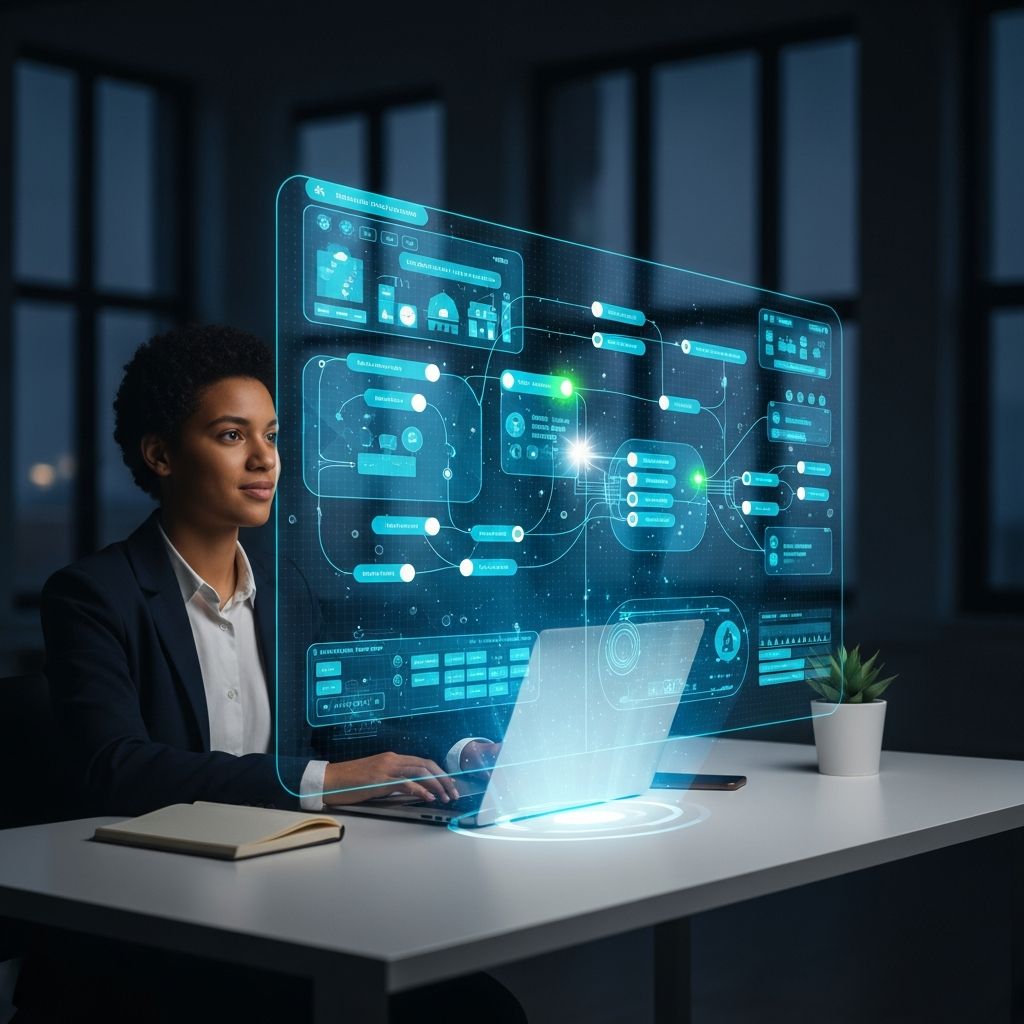
Personalized learning represents a shift from uniform classroom instruction to individualized educational experiences that adapt to each student’s pace, interests, and abilities. This approach prioritizes student agency, leveraging data and technology to create dynamic learning environments where every learner thrives.
Understanding the Foundations of Personalized Learning
At its core, personalized learning tailors teaching methods, content delivery, and assessments to match individual learner profiles. Unlike traditional models that apply a single curriculum to all, it recognizes diverse learning styles, prior knowledge, and motivations, ensuring alignment with academic standards while promoting autonomy.
Educators begin by evaluating students’ strengths, gaps, and preferences through diagnostic tools. This initial profiling informs the creation of flexible pathways, allowing learners to progress based on mastery rather than time spent in class. Research highlights how this fosters deeper understanding and retention, as students engage with material relevant to their lives.
Key Principles Driving Effective Personalization
Several core principles underpin successful personalized learning implementations:
- Learner Profiles: Comprehensive assessments map out skills, interests, and challenges, serving as the blueprint for customized plans.
- Competency-Based Progression: Advancement hinges on demonstrated mastery, not seat time, enabling accelerated or supportive pacing.
- Flexible Content Delivery: Options like multimedia resources, project-based tasks, and self-paced modules accommodate varied preferences.
- Continuous Feedback Loops: Real-time insights from instructors and peers guide adjustments, keeping learners on track.
- Student Ownership: Learners co-create goals and select activities, building intrinsic motivation and responsibility.
These principles transform passive reception into active participation, aligning education with real-world demands for adaptability.
Step-by-Step Implementation Roadmap
Transitioning to personalized learning requires a structured yet adaptable process. Here’s a practical roadmap for educators and administrators:
- Conduct Baseline Assessments: Use diagnostic quizzes, surveys, and performance data to build detailed student profiles.
- Define Clear Objectives: Align personalized paths with curriculum standards, setting short- and long-term milestones.
- Curate Adaptive Resources: Assemble digital libraries, videos, and interactive tools that support varied paces and depths.
- Introduce Technology Integrations: Platforms with AI analytics track progress and recommend next steps automatically.
- Monitor and Iterate: Regular check-ins and data reviews refine paths, ensuring ongoing relevance.
This roadmap, drawn from experiences in over 1,700 schools, emphasizes iterative refinement to avoid common pitfalls like over-reliance on tech without human oversight.
Technology’s Pivotal Role in Personalization
Digital tools amplify personalized learning by providing scalable customization. Learning management systems (LMS) enable individualized playlists, adaptive quizzes, and progress dashboards. AI algorithms analyze interaction patterns to suggest tailored content, simulating one-on-one tutoring at scale.
For instance, platforms allow students to bypass mastered topics via competency tests, focusing efforts on growth areas. Classroom modifications, such as modular seating and accessible resource stations, further support diverse needs in physical spaces.
| Tool Type | Function | Benefit |
|---|---|---|
| Adaptive LMS | Custom paths & pacing | Mastery-focused progression |
| AI Analytics | Progress prediction | Proactive interventions |
| Video Libraries | Self-paced modules | Flexible access anytime |
| Peer Feedback Apps | Collaborative reviews | Enhanced engagement |
These technologies, when integrated thoughtfully, bridge gaps in traditional settings, particularly for underserved students.
Real-World Applications and Success Stories
Personalized learning shines in diverse contexts. In K-12 districts, student-led goal-setting has boosted engagement, with learners articulating their instructional needs. One model involves project-based paths where students choose explorations aligned to standards, deepening content connections.
Higher education and professional training adapt it via micro-credentials and simulations. Employees access role-specific modules, practicing skills in virtual scenarios, which accelerates upskilling. Case studies from large districts show improved outcomes: higher mastery rates, reduced achievement gaps, and increased motivation.
Measuring Impact: Metrics and Outcomes
Success in personalized learning is quantifiable through key indicators:
- Academic Mastery: Percentage of students meeting or exceeding standards via competency assessments.
- Engagement Levels: Participation rates in self-directed activities and goal attainment.
- Growth Trajectories: Pre- and post-intervention data showing accelerated progress.
- Equity Gains: Narrowing disparities across demographics.
Studies confirm these metrics correlate with long-term benefits like college readiness and career adaptability.
Navigating Common Obstacles
Despite advantages, challenges persist. Teacher training is essential to shift from directive to facilitative roles. Resource inequities can hinder access, necessitating district-wide investments. Balancing personalization with standards requires vigilant alignment.
Strategies to overcome include professional development on data literacy, phased rollouts, and stakeholder communication to build buy-in. Avoiding traps like tech overload ensures human elements—relationships and mentorship—remain central.
Building a Culture of Continuous Adaptation
Sustaining personalized learning demands ongoing evolution. Schools foster this through collaborative planning, shared data insights, and iterative feedback. Parental involvement, via progress portals, reinforces home-school synergy.
Ultimately, this approach equips learners for a dynamic world, emphasizing lifelong skills like self-regulation and resilience.
Frequently Asked Questions
What distinguishes personalized learning from differentiated instruction?
Personalized learning emphasizes student-driven paths and mastery pacing, while differentiation adjusts teacher-led methods within fixed structures.
How can teachers start personalizing without advanced tech?
Begin with learner profiles, flexible grouping, and choice boards using existing resources like videos and projects.
Does personalized learning align with standardized testing?
Yes, by embedding standards into custom paths, it prepares students effectively while allowing individualized depth.
What training do educators need?
Focus on data interpretation, facilitation skills, and tool proficiency through targeted professional development.
Can it scale district-wide?
Absolutely, with leadership support, phased implementation, and shared frameworks, as seen in 320+ U.S. districts.
References
- Personalized Learning: A Comprehensive Educator’s Guide — SmartLab Learning. 2023. https://www.smartlablearning.com/personalized-learning/
- The Ultimate Personalized Learning Guide — Education Elements. 2023. https://www.edelements.com/personalized-learning
- A Complete Guide to Personalized Learning in K-12 Education (2025) — PowerSchool. 2025-01-15. https://www.powerschool.com/blog/complete-guide-personalized-learning-k12-education/
- The Complete Guide to Personalized Learning — D2L. 2024. https://www.d2l.com/blog/personalized-learning-guide/
- Personalized Learning: A Comprehensive Guide — Modern Classrooms. 2023. https://www.modernclassrooms.org/blog/personalized-learning
- What is Personalized Learning? Guide, Benefits, + Examples — Docebo. 2024. https://www.docebo.com/learning-network/blog/personalized-learning-strategies/
- Personalized Learning: A Guide for Engaging Students — Intel. 2016-01-01. https://www.intel.com/content/dam/www/public/us/en/documents/education/k12-personalized-learning-guidebook.pdf

- Integrated M.A. in Applied Linguistics, University of Hyderabad
- 5+ years in editorial, instructional, SEO, and research-based writing
Sneha is a relationships and lifestyle writer with a strong foundation in applied linguistics and certified training in relationship coaching. She brings over five years of writing experience to theskillvault, crafting thoughtful, research-driven content that empowers readers to build healthier relationships, boost emotional well-being, and embrace holistic living. Her writing and insights reflect the belief that beauty, happiness, and wellness…