
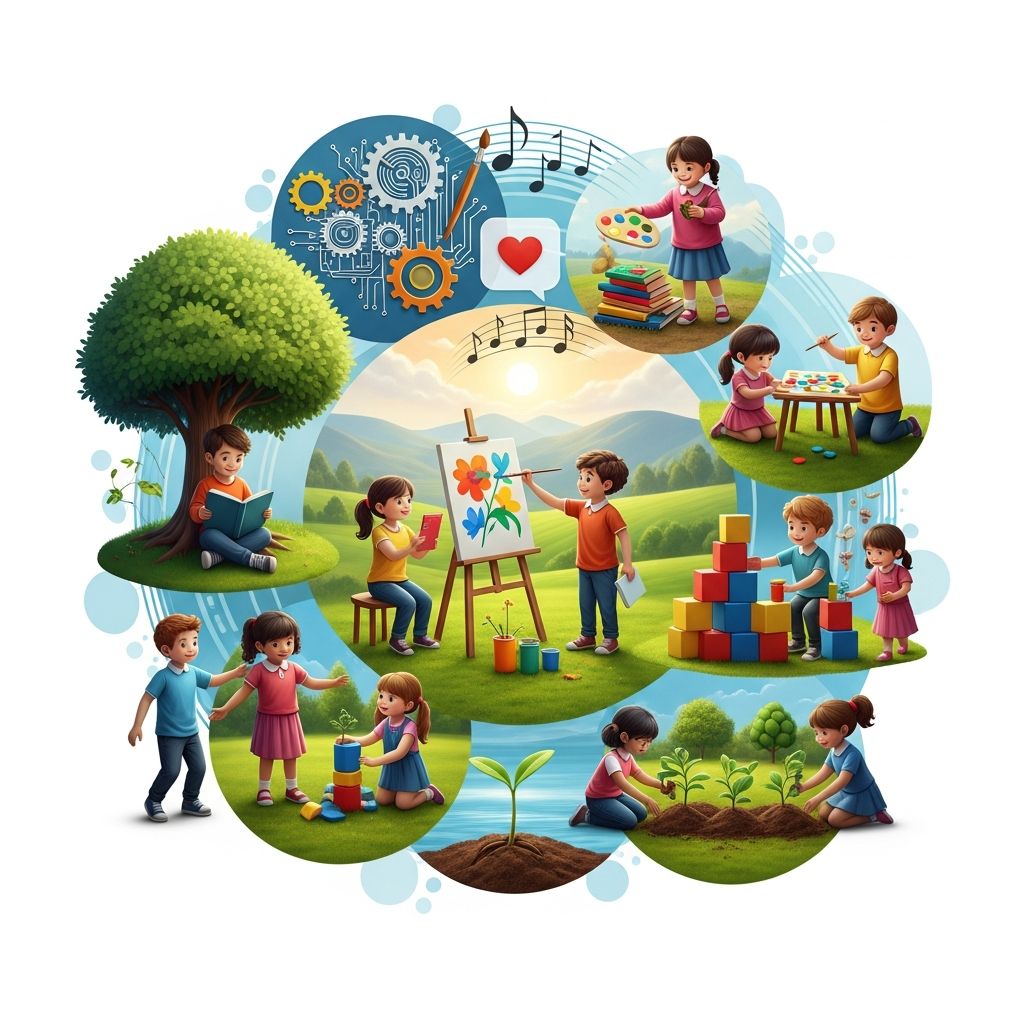
Holistic education represents a transformative approach to learning that prioritizes the full spectrum of a child’s development, encompassing intellectual, emotional, physical, and social dimensions. Unlike traditional models focused primarily on academic achievement, this method cultivates well-rounded individuals equipped to navigate life’s complexities with resilience and creativity.
Defining the Essence of Holistic Learning
At its core, holistic education views the child as an interconnected whole, where cognitive growth intertwines with emotional awareness, physical vitality, and social harmony. This philosophy draws from experiential learning principles, emphasizing relationships between students, educators, and their environment. It shifts away from rote memorization toward meaningful, real-world applications that foster critical reflection and personal agency.
Educators in holistic settings create environments that encourage curiosity and self-discovery. Students engage in activities that mirror life’s multifaceted nature, building skills transferable to diverse contexts. This approach recognizes that true education extends beyond classrooms, influencing how children interact with communities and perceive their place in the world.
Core Foundations Supporting Holistic Development
Holistic education rests on several interconnected pillars that guide comprehensive growth. These foundations ensure balanced advancement across key areas of human potential.
- Intellectual Expansion: Beyond facts, this pillar nurtures critical thinking, problem-solving, and innovative inquiry, enabling students to analyze and apply knowledge creatively.
- Emotional Maturity: Developing self-awareness, resilience, and empathy equips learners to manage feelings and build healthy relationships.
- Social Connectivity: Fostering collaboration, teamwork, and community involvement teaches coexistence, respect, and collective responsibility.
- Physical Wellness: Integrating movement, mindfulness, and health practices supports bodily health as a foundation for mental sharpness.
These pillars, inspired by frameworks like UNESCO’s four pillars of learning, promote ‘learning to know,’ ‘learning to do,’ ‘learning to live together,’ and ‘learning to be,’ creating adaptable, confident individuals.
Key Advantages for Students and Society
The merits of holistic education are profound, impacting immediate learning outcomes and long-term life success. Research and educational practices highlight several standout benefits.
| Benefit | Description | Impact |
|---|---|---|
| Enhanced Critical Thinking | Experiential activities sharpen analytical skills and problem-solving. | Improves academic performance and real-world decision-making. |
| Boosted Emotional Intelligence | Programs focus on self-regulation and empathy building. | Reduces stress, fosters resilience, and strengthens relationships. |
| Improved Social Competence | Group projects and community service develop teamwork. | Promotes inclusivity and leadership for diverse environments. |
| Increased Creativity | Arts, music, and open-ended exploration are central. | Encourages innovation essential for future careers. |
| Lifelong Learning Habit | Curiosity-driven methods instill intrinsic motivation. | Supports continuous personal and professional growth. |
These advantages extend to physical health through integrated wellness, leading to better habits and overall vitality. Schools adopting this model report higher engagement and lower dropout rates, as students feel valued in their entirety.
Practical Strategies for Implementing Holistic Practices
Bringing holistic principles to life requires intentional classroom and curriculum design. Educators can adopt these evidence-based strategies to enrich learning environments.
- Personalized Learning Paths: Tailor instruction to individual strengths, interests, and paces, using assessments that capture diverse talents.
- Hands-On Experiential Projects: Incorporate real-world challenges like community surveys or environmental initiatives to connect theory with practice.
- Mindfulness and Reflection Sessions: Daily practices such as journaling or meditation build self-awareness and emotional regulation.
- Collaborative Group Dynamics: Structure activities that require peer interaction, negotiation, and shared goal achievement.
- Integrated Physical-Mental Activities: Blend yoga, sports, or nature walks with academic lessons to honor the mind-body link.
Technology can enhance these efforts, with tools for virtual collaborations or adaptive learning platforms, but the emphasis remains on human connections and authentic experiences.
Real-World Examples of Holistic Success
Progressive institutions worldwide demonstrate holistic education’s efficacy. Montessori programs emphasize child-led exploration, resulting in self-directed learners with strong intrinsic motivation. Waldorf schools integrate arts and rhythm into daily routines, producing creative thinkers with emotional depth.
In modern contexts, schools like those following Finland’s model blend academics with play and outdoor education, achieving top global rankings in well-being and equity. Data from OECD reports affirm that such systems yield students with superior transversal skills—empathy, adaptability, and collaboration—critical for 21st-century economies.
Overcoming Barriers to Widespread Adoption
Despite its strengths, holistic education faces hurdles like standardized testing pressures and resource limitations. Traditional metrics undervalue soft skills, yet shifts toward competency-based assessments are emerging. Teacher training in emotional intelligence and facilitative pedagogies is essential, as is parental buy-in through workshops demonstrating long-term gains.
Hybrid models offer a bridge, infusing holistic elements into conventional curricula without full overhaul. Policymakers can support this by incentivizing professional development and flexible evaluations, ensuring equitable access across socioeconomic lines.
Frequently Asked Questions
What distinguishes holistic education from traditional methods?
Holistic education prioritizes comprehensive development—intellectual, emotional, social, and physical—over rote academics, using experiential learning for real-world readiness.
Does holistic education improve academic results?
Yes, by deepening understanding through meaningful engagement, it enhances retention, critical thinking, and performance.
How can parents support holistic growth at home?
Encourage unstructured play, discuss emotions openly, involve children in household responsibilities, and explore nature together to reinforce school efforts.
Is holistic education suitable for all age groups?
Absolutely; scalable from early childhood play-based learning to adolescent project work focusing on identity and citizenship.
What role does technology play in holistic classrooms?
It supports personalized and collaborative learning but serves as a tool, not a replacement for interpersonal and kinesthetic experiences.
Building a Future Through Holistic Education
In an era of rapid change, holistic education equips youth with adaptability, empathy, and creativity. By nurturing the whole child, it not only prepares individuals for success but cultivates compassionate societies. Schools, families, and communities must collaborate to embed these principles, ensuring every learner thrives holistically.
References
- 4 Pillars of Holistic Education Every Parent Should Know About — New Horizon Gurukul. 2023-10-15. https://newhorizongurukul.in/4-pillars-of-holistic-education-2/
- Why a Holistic Approach Benefits Education — St. Patrick School. 2024-02-20. https://www.stpatrickschool.org/post/why-a-holistic-approach-benefits-education
- What Is Holistic Education and Its Key Benefits? — Witty School. 2024-05-10. https://wittyschool.org/glossary/what-is-holistic-education-and-benefits/
- Holistic Education: Guide for Teachers (Strategies & Benefits) — Teacher Academy EU. 2023-11-05. https://www.teacheracademy.eu/blog/holistic-education/
- Understanding Holistic Education: Strategies and Benefits — Education Corner. 2023-08-12. https://www.educationcorner.com/holistic-education/
- What is Holistic Development? — HEI Schools. 2024-01-18. https://www.heischools.com/blog/what-is-holistic-development

- Integrated M.A. in Applied Linguistics, University of Hyderabad
- 5+ years in editorial, instructional, SEO, and research-based writing
Sneha is a relationships and lifestyle writer with a strong foundation in applied linguistics and certified training in relationship coaching. She brings over five years of writing experience to theskillvault, crafting thoughtful, research-driven content that empowers readers to build healthier relationships, boost emotional well-being, and embrace holistic living. Her writing and insights reflect the belief that beauty, happiness, and wellness…