
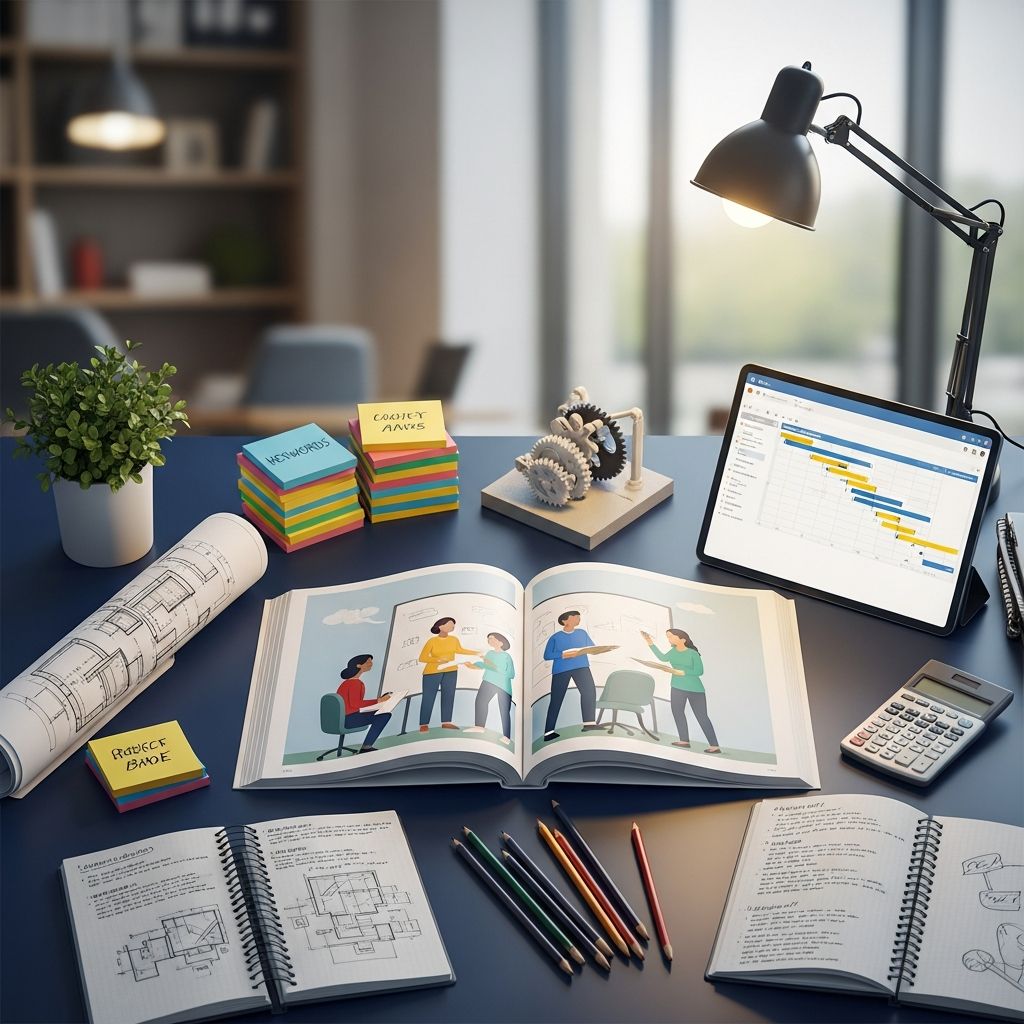
Project-based learning (PBL) transforms traditional classrooms into dynamic environments where students drive their own education through hands-on, real-world challenges. This approach empowers learners to apply knowledge meaningfully, fostering deep understanding and essential life skills.
Understanding the Essence of Project-Based Learning
At its core, PBL involves students working over extended periods to investigate complex questions, develop solutions, and present results. Unlike rote memorization, it emphasizes sustained inquiry, collaboration, and reflection, aligning closely with how professionals operate in real settings.
Educators act as facilitators, scaffolding the process while granting students agency over their projects. This method suits diverse subjects, from science to history, by integrating multiple disciplines and promoting interdisciplinary thinking.
Key Advantages for Students and Teachers
PBL yields measurable gains in engagement, retention, and skill development. Students gain proficiency in critical thinking, problem-solving, communication, and teamwork—competencies vital for future careers.
- Boosted Engagement: Authentic tasks make learning relevant, reducing dropout rates and increasing motivation.
- Deeper Knowledge: Applying concepts to real problems cements understanding beyond surface-level recall.
- Equity in Learning: Diverse group work allows varied contributions, supporting inclusivity.
- 21st-Century Skills: Builds resilience, adaptability, and digital literacy through iterative processes.
Teachers benefit from observing authentic student growth, refining their instructional practices based on real-time feedback. Research from educational bodies underscores PBL’s role in closing achievement gaps, particularly for underserved populations.
Essential Components of High-Quality PBL
Effective PBL rests on foundational elements that ensure rigor and impact. These include a compelling driving question, opportunities for voice and choice, structured collaboration, regular feedback loops, meaningful culminating products, and reflective practices.
| Component | Description | Impact |
|---|---|---|
| Driving Question | Open-ended query anchoring the project | Sustains inquiry and relevance |
| Student Voice & Choice | Learners select topics or methods | Increases ownership and motivation |
| Feedback & Revision | Ongoing critiques from peers/teachers | Promotes growth mindset |
| Public Product | Shareable final output for audience | Ensures authenticity and accountability |
| Reflection | Regular self-assessment | Builds metacognition |
These pillars, drawn from established frameworks, distinguish true PBL from mere activities.
Step-by-Step Framework for Launching PBL Units
Implementing PBL requires deliberate planning. Begin by aligning projects to standards, then craft authentic challenges.
- Define Learning Targets: Select standards and map project tasks to them, ensuring cross-curricular connections.
- Craft the Driving Question: Develop provocative, standards-aligned questions like “How can we redesign our school for sustainability?”.
- Scope the Project: Decide duration (e.g., 1-6 weeks), group size, and resources. Use tables to compare small vs. ambitious scopes.
- Outline Timeline & Milestones: Create storyboards or Gantt charts for phases: research, prototyping, revision, presentation.
- Assign Roles & Scaffold Supports: Facilitate team formation and provide tools for management.
- Build in Assessments: Design formative (check-ins) and summative (products) evaluations with rubrics.
- Launch & Monitor: Introduce the challenge, guide inquiry, and adjust flexibly.
- Culminate & Reflect: Host showcases and debrief learnings.
Practical Tools and Strategies for PBL Success
To thrive, educators need adaptable tools. Digital platforms like Google Workspace or Trello aid collaboration and tracking.
- Project Management: Teach students Kanban boards for task visualization.
- Research Guidance: Provide graphic organizers for inquiry mapping.
- Feedback Protocols: Use ‘glow and grow’ models for constructive critiques.
- Flexibility Tips: Start small, iterate based on pilots, and involve community experts.
Maintaining a culture of curiosity is key—celebrate failures as learning opportunities.
Overcoming Common PBL Challenges
While rewarding, PBL demands time and can face hurdles like uneven participation or scope creep.
- Time Management: Use backward planning from end products to fit schedules.
- Group Dynamics: Rotate roles and monitor equity with self-assessments.
- Resource Limits: Leverage free online tools and local partnerships.
- Assessment Concerns: Blend rubrics with portfolios for holistic evaluation.
Professional development, such as workshops, equips teachers to navigate these.
Real-World PBL Examples Across Grade Levels
PBL adapts seamlessly to any grade. Elementary students might engineer community gardens, linking science and math. Middle schoolers could debate policy solutions to local issues, honing civics skills. High school projects often involve entrepreneurship pitches or data-driven environmental analyses.
For instance, a cross-disciplinary unit on urban planning integrates geometry, history, and civics, culminating in city models presented to officials. These examples demonstrate scalability and impact.
Assessing Progress in PBL Environments
Evaluation in PBL is multifaceted, prioritizing process alongside products. Rubrics assess content mastery, collaboration, and reflection explicitly.
- Formative: Journals, peer reviews, milestone presentations.
- Summative: Portfolios, public defenses, performance tasks.
- Self/Peer: Builds accountability and insight.
Clear criteria upfront ensure fairness and focus.
Frequently Asked Questions (FAQs)
What is the difference between PBL and traditional projects?
PBL features sustained inquiry, student ownership, and real-world authenticity, unlike one-off assignments focused on end products.
How long should a PBL unit last?
Typically 1-8 weeks, depending on scope—shorter for intros, longer for deep dives.
Can PBL work in large classes?
Yes, with structured grouping, rotations, and tech tools for management.
Does PBL align with standardized testing?
Absolutely; it embeds standards deeply, often improving test performance through application.
What if students lack motivation?
Anchor in personal relevance, offer choices, and showcase early wins to build momentum.
Building a Sustainable PBL Culture in Schools
Institutionalize PBL by training staff, allocating planning time, and celebrating successes school-wide. Leadership support and inter-teacher collaboration amplify effects.
Over time, PBL shifts paradigms from teacher-centered to learner-driven education, preparing students for an unpredictable world.
References
- Project-Based Learning: A Step-by-Step Guide for Teachers — Concept Schools. 2023-10-01. https://www.conceptschools.org/apps/news/article/2054572
- 10 Steps to Beginning a Project-Based Learning Unit in Your Class — Southern Regional Education Board (SREB). 2023-01-15. https://www.sreb.org/blog-post/project-ing-your-teaching-10-steps-beginning-project-based-learning-unit-your-class
- Project-Based Learning Professional Development Guide — Edutopia (George Lucas Educational Foundation). 2024-05-20. https://www.edutopia.org/project-based-learning-guide
- Getting Started with Project-Based Learning — Columbia University Center for Teaching and Learning. 2025-02-10. https://ctl.columbia.edu/resources-and-technology/resources/project-based-learning/
- Project Based Learning Handbooks — PBLWorks. 2024-11-05. https://www.pblworks.org/handbook
- The Quick Start Guide to Project-Based Learning — Edmentum. 2024-08-12. https://www.edmentum.com/articles/quick-start-guide-to-project-based-learning/
- What is Project Based Learning? — PBLWorks. 2025-03-18. https://www.pblworks.org/what-is-pbl

- Integrated M.A. in Applied Linguistics, University of Hyderabad
- 5+ years in editorial, instructional, SEO, and research-based writing
Sneha is a relationships and lifestyle writer with a strong foundation in applied linguistics and certified training in relationship coaching. She brings over five years of writing experience to theskillvault, crafting thoughtful, research-driven content that empowers readers to build healthier relationships, boost emotional well-being, and embrace holistic living. Her writing and insights reflect the belief that beauty, happiness, and wellness…