
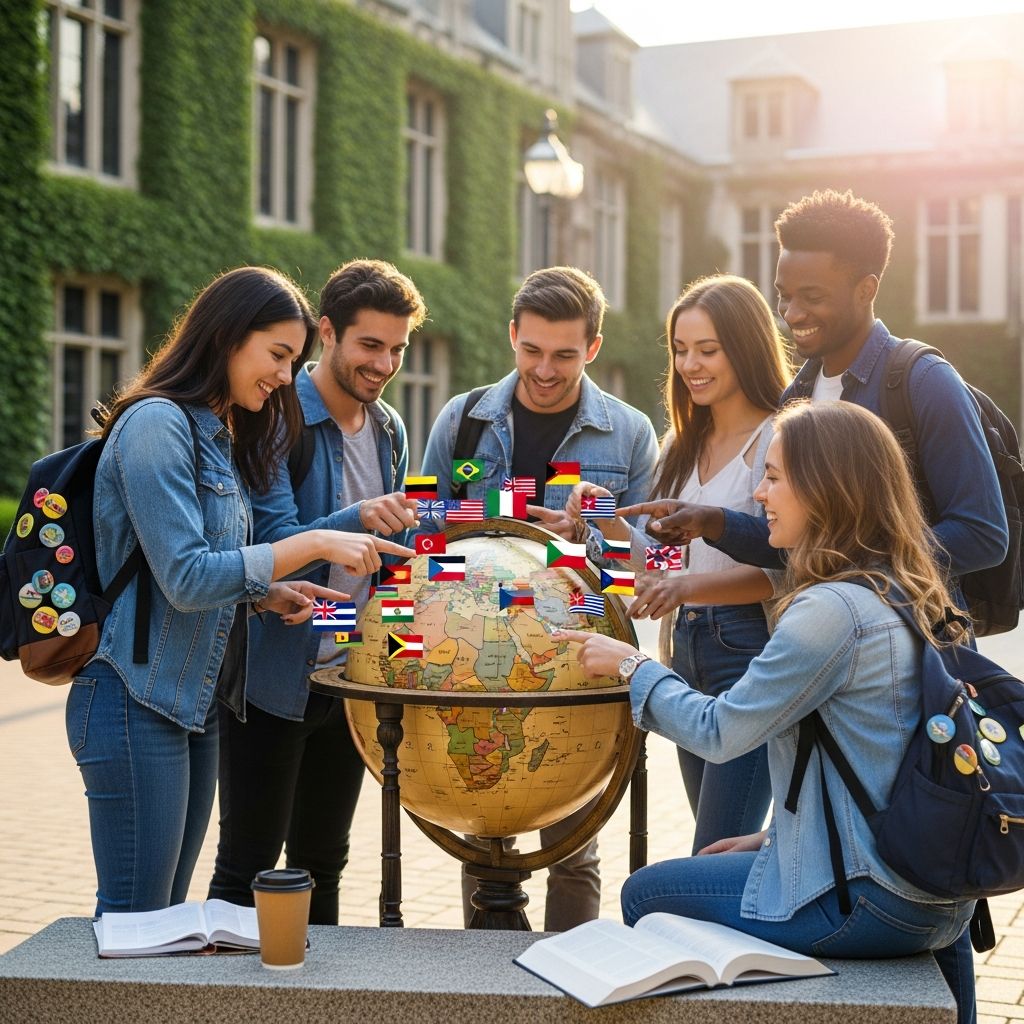
Foreign exchange programs offer high school students unparalleled opportunities to immerse themselves in new cultures, enhance academic skills, and forge lifelong friendships. These initiatives bridge gaps between nations by placing motivated teenagers in host families abroad, where they attend local schools and participate in everyday life. Whether you’re a prospective student dreaming of adventure or a family considering opening your home, this guide provides essential insights drawn from established practices.
Why Participate in a Foreign Exchange Program?
Engaging in a foreign exchange yields profound personal growth. Students develop independence, adaptability, and global awareness while refining language abilities and academic performance. Host families gain fresh perspectives, enriching their household dynamics with diverse traditions and stories from afar.
- Academic Benefits: Exposure to varied teaching methods strengthens critical thinking and prepares participants for future studies.
- Cultural Immersion: Daily interactions reveal nuances of local customs, cuisine, and social norms.
- Personal Development: Navigating challenges builds resilience and empathy.
- Networking: Connections formed often lead to international opportunities later in life.
Programs typically span a semester or full academic year, aligning with host country school calendars to minimize disruptions.
Steps for Students to Become Exchange Participants
Aspiring exchange students must approach the process methodically, starting with self-assessment and culminating in departure preparations.
Evaluate Readiness and Goals
Begin by reflecting on your motivations. Consider your tolerance for separation from loved ones, willingness to embrace unfamiliarity, and academic standing. Consult school advisors to ensure credit transfers won’t hinder graduation. Financial readiness is crucial; estimate costs including program fees, travel, and pocket money.
Select Destination and Program
Research safe destinations with robust education systems and healthcare. Factors like language similarity, climate, and cultural alignment influence choices. Reputable programs are accredited by bodies like the Council on Standards for International Educational Travel (CSIET). Seek counselor recommendations and review participant testimonials.
| Factor | Considerations |
|---|---|
| Safety | Political stability, crime rates, health infrastructure |
| Language | Proficiency requirements, immersion support |
| Costs | Program fees, living expenses, scholarships |
| Duration | Semester vs. year-long options |
Meet Application Requirements
Deadlines precede semesters by months—spring by October, fall by April. Submit essays, transcripts, recommendations, and health records. Language tests like TOEFL or IELTS may be required unless English is native. Background checks ensure suitability.
Secure Funding
Program fees range from $8,000-$12,000, covering travel and administration. Scholarships from governments, foundations, or programs alleviate burdens. Apply broadly for merit-based or need-based aid.
Finalize Travel Logistics
Obtain passport, visa (e.g., J-1 for U.S.), and insurance. Visit doctors for vaccinations and prescriptions. Agencies provide checklists; connect with host families via email for rapport.
Hosting an International Student: Getting Started
Host families play pivotal roles in student success, offering room, board, and emotional support. No prior experience needed—enthusiasm suffices.
Choose a Program and Apply
Partner with organizations like Ayusa or ISE, which match students via detailed profiles. Complete home visits, background checks, and interviews. Programs handle visas and travel.
Prepare Your Home
Designate a private bedroom with bed, desk, and storage. Stock essentials: linens, toiletries. Familiarize with local school schedules and arrange transport. Compile a binder with emergency contacts, medical info, and house rules.
- Welcome with a clean space and cultural touches from their country.
- Plan airport pickup and first meal.
- Discuss expectations early using provided forms.
Financial Responsibilities Clarified
Clear boundaries prevent misunderstandings. Hosts cover meals and housing; students manage personal items.
| Category | Host Family Pays | Student Pays |
|---|---|---|
| Meals | Three daily at home | School lunches, snacks |
| Housing | Fully provided | N/A |
| Transport | To/from school | Personal outings |
| Extras | Basic school supplies | Clothing, entertainment, cell phone ($250-300/month budget) |
| Activities | Family trips (pro-rated) | Tickets, prom, hobbies |
Students arrive with funds; no lending/borrowing. Maintain “C” average; full course load required.
Cultural Adjustment and Daily Life
Initial excitement yields to homesickness—support eases transition.
For Students
Respect host rules, attend school diligently, share your culture. Journal experiences; join clubs for belonging.
For Hosts
Encourage independence while providing structure. Share family traditions; be patient with language barriers. Coordinate with local reps for guidance.
Common challenges: food differences, privacy needs, academic pressures. Open communication resolves most issues.
Academic Integration in Host Schools
Exchange students enroll promptly, taking core classes plus language or orientation courses. Hosts assist with registration and schedules. Maintain attendance, follow dress codes. Credits transfer via agency oversight.
Health, Safety, and Legal Matters
Secure comprehensive insurance covering medical and evacuation. Disclose conditions pre-arrival. U.S. J-1 visa mandates program rules adherence; no unauthorized travel. Hosts prepare for emergencies with accessible docs.
Building Strong Host-Student Bonds
Treat as family member: include in outings, celebrate milestones. Exchange stories nightly. Mutual respect fosters trust; address conflicts calmly.
Program Completion and Goodbyes
Return within days post-school; reflect on growth. Maintain contact via social media. Many form enduring ties.
Frequently Asked Questions (FAQs)
What age are exchange students?
Typically 15-18, current high schoolers from diverse nations.
Do hosts get paid?
No financial compensation; reward is cultural enrichment.
Can families with young kids host?
Yes, with suitable space and supervision.
What if personalities clash?
Local coordinators mediate; rematching rare but possible.
Are pets okay?
Disclose allergies; most students love animals.
How to handle homesickness?
Encourage calls home, routine, and support groups.
References
- Becoming a Foreign Exchange Student: Guide — Pacific College. 2023. https://www.pacific-college.edu/blog/becoming-foreign-exchange-student
- Host Family Handbook — International Student Exchange (ISE). 2018-01. https://iseusa.org/wp-content/uploads/2018/01/Host-Family-Handbook-Reduced.pdf
- Student & Host Family Expenses: Who Pays for What? — EF Exchange Year. 2023. https://efexchangeyear.org/guide/posts/expenses/
- Host Family 101: A Guide to Hosting a Foreign Exchange Student — Ayusa. 2023. https://www.ayusa.org/stories/hosting-a-foreign-exchange-student
- Hosting a Foreign Exchange Student: The Complete Guide — Student Room Stay Blog. 2023. https://blog.studentroomstay.com/articles/hosting-a-foreign-exchange-student-the-complete-guide
- Student Handbook — International Student Exchange (ISE). 2017. https://iseusa.org/wp-content/uploads/2018/01/ISE-Student-Handbook-2017-2.pdf

- Integrated M.A. in Applied Linguistics, University of Hyderabad
- 5+ years in editorial, instructional, SEO, and research-based writing
Sneha is a relationships and lifestyle writer with a strong foundation in applied linguistics and certified training in relationship coaching. She brings over five years of writing experience to theskillvault, crafting thoughtful, research-driven content that empowers readers to build healthier relationships, boost emotional well-being, and embrace holistic living. Her writing and insights reflect the belief that beauty, happiness, and wellness…