
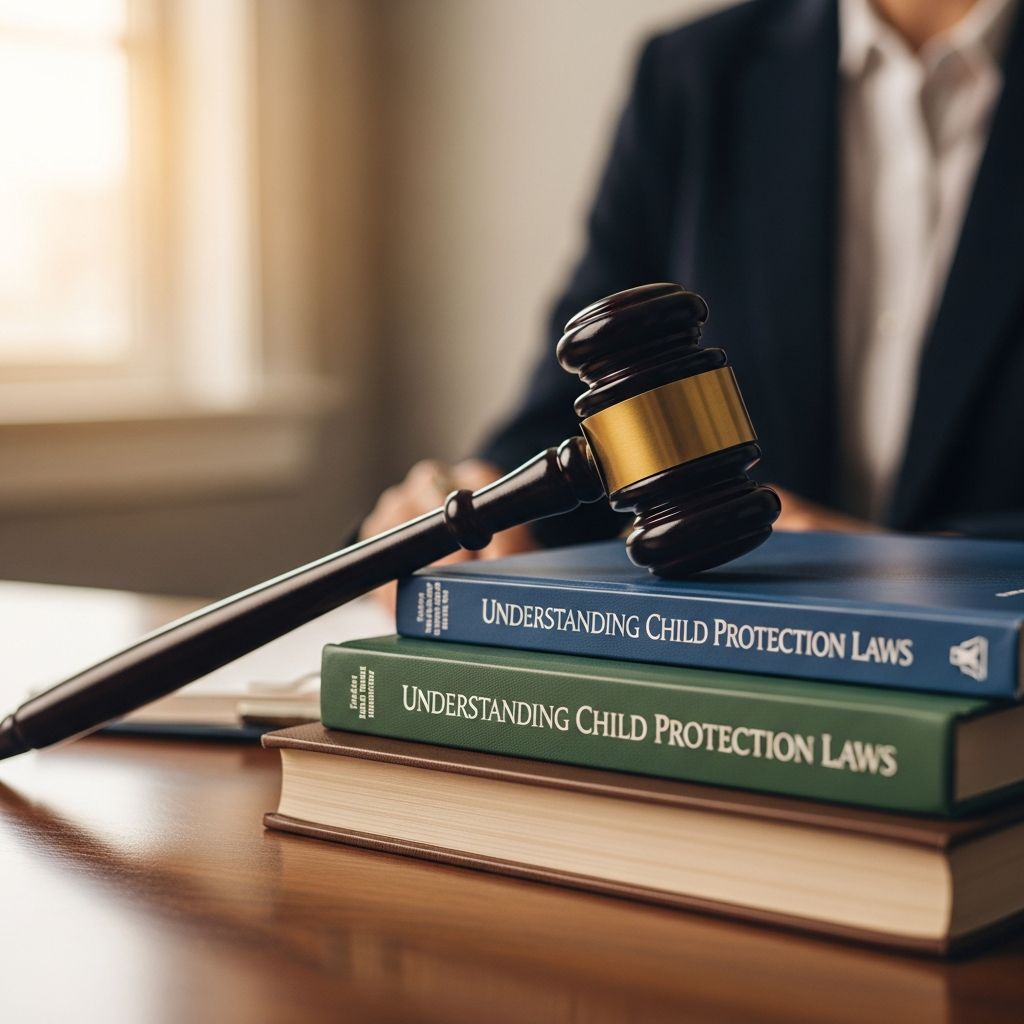
Educators hold a vital position in child protection, legally obligated in every U.S. state to report suspected child abuse or neglect. This duty stems from federal legislation like the Child Abuse Prevention and Treatment Act, designating teachers among key professionals required to act on reasonable suspicions without needing concrete proof.
Understanding the Mandated Reporter Designation
The concept of mandated reporting ensures swift intervention to protect vulnerable children. Federal law mandates that states establish reporting protocols for professionals interacting regularly with youth, including classroom teachers, counselors, administrators, and support staff. In all 50 states and the District of Columbia, educators qualify as mandated reporters due to their daily proximity to students.
This role extends beyond traditional teaching; it encompasses anyone in an educational capacity, such as coaches, nurses, and part-time personnel holding teaching certificates. The threshold for action is ‘reasonable cause to suspect,’ meaning observable indicators like unusual injuries or behavioral shifts trigger the obligation, even absent definitive evidence.
Types of Abuse Educators Must Identify and Report
Educators must be attuned to four primary abuse categories: physical, emotional, sexual, and neglect. Each manifests distinctly, demanding vigilant observation during school interactions.
- Physical Abuse: Involves non-accidental injuries like bruises, burns, or fractures. Look for patterns such as injuries in various healing stages or explanations inconsistent with the child’s age.
- Emotional Abuse: Features chronic belittlement or rejection, evident in extreme behaviors like aggression, withdrawal, or developmental delays.
- Sexual Abuse: Includes any sexual exploitation, signaled by age-inappropriate sexual knowledge, genital injuries, or sudden behavioral changes like fearfulness around adults.
- Neglect: Occurs when caregivers fail to provide essentials like food, supervision, or medical care, appearing as chronic hunger, poor hygiene, or frequent unexcused absences.
Recognizing these requires ongoing awareness, as signs often overlap with other issues like bullying or family stress. Training equips educators to differentiate and act decisively.
State Variations in Reporting Requirements
While universal, specifics differ by jurisdiction. All states criminalize failure to report, often as a misdemeanor with penalties including fines, jail, certification loss, or civil suits. For instance, New York mandates reports to the State Central Register when acting professionally, covering guardians and caretakers. Pennsylvania’s Educator Discipline Act demands reporting educator misconduct involving sexual abuse to the Department of Education within 15 days.
| State Example | Key Reporting Rule | Penalties for Non-Reporting |
|---|---|---|
| New York | Report to SCR on reasonable suspicion; expanded for social workers | Class A misdemeanor, civil damages |
| California/Florida | Tied to certification renewal; district hotlines | Fines, certification loss, jail |
| Pennsylvania | Report educator misconduct to PDE; chief admins within 15 days | Misdemeanor to felony, civil liability |
| District of Columbia | All school staff, including contractors | Legal action per local CPS law |
Consult state child welfare agencies for precise protocols, as some require administrator notification alongside direct agency contact.
Step-by-Step Guide to Fulfilling Reporting Obligations
When suspicion arises, follow these structured steps to comply legally and ethically:
- Document Observations: Note dates, specifics of injuries/behaviors, and child’s statements without investigating independently.
- Assess Urgency: Imminent danger warrants immediate law enforcement contact; otherwise, use designated channels.
- Report Promptly: Call state hotline or child protective services (CPS) – typically within 24-48 hours. Provide factual details only.
- Notify Supervisors: Inform principals or designated personnel per district policy, but do not delay external report.
- Follow Up: Maintain confidentiality; agencies handle investigations. No retaliation protection exists for good-faith reports.
Remember, the reporter’s identity remains confidential, shielding educators from reprisal. Hesitation due to family bonds or placement fears is common but unlawful; prioritizing child safety is paramount.
Mandatory Training: Building Competence and Compliance
All states require mandated reporter training for educators, often integrated into certification or annual professional development. Programs cover abuse identification, reporting mechanics, and legal ramifications, with online options from state-approved providers like New York’s OCFS.
Frequency varies: some link to license renewal, others to district onboarding. High-quality courses use scenarios to sharpen recognition skills, ensuring teachers meet obligations amid over 550,000 annual U.S. reports, many from schools.
- Content Focus: Indicators, myths (e.g., only severe cases qualify), cultural sensitivities.
- Delivery: Flexible e-learning for busy schedules.
- Certification: Proof for compliance audits.
Consequences of Failing to Report Suspected Abuse
Non-compliance carries severe repercussions. Criminal charges range from misdemeanors to felonies, with fines up to thousands, imprisonment, and professional license revocation. Civil suits may award damages for harm from delayed intervention.
Educator Discipline Acts in states like Pennsylvania extend duties to report colleague misconduct, amplifying accountability. One unreported case can mean life-or-death outcomes, underscoring the gravity.
Overcoming Emotional and Practical Challenges
Reporting strains relationships with families and evokes moral dilemmas, yet it’s a cornerstone of the profession. Support includes peer debriefs, counseling, and legal immunity for good-faith actions. Districts often provide hotlines streamlining processes.
Empowerment comes from preparation: regular training fosters confidence, transforming potential hesitation into protective action.
Enhancing School-Wide Child Protection Strategies
Beyond individuals, schools implement policies like abuse awareness curricula, inter-agency partnerships, and anonymous tip lines. Helplines offer family support alternatives to full reports, aiding at-risk households preemptively.
Collaborate with CPS, law enforcement, and mental health pros for holistic responses, minimizing trauma while upholding safety.
Frequently Asked Questions (FAQs)
What qualifies as ‘reasonable suspicion’ for reporting?
Any credible indicators of abuse, like unexplained injuries or behavioral red flags, without needing proof. Act on professional judgment.
Do I report if unsure, or investigate first?
Report immediately; investigations are for authorities. Delaying violates law.
How anonymous is the reporting process?
Reporters’ identities are shielded from families and public records in most states.
Is training required every year?
Varies by state; often tied to certification cycles or district mandates.
What if the abuser is another educator?
Report to CPS and education department per Discipline Acts; dual obligations apply.
Are there protections against retaliation?
Yes, good-faith reporters enjoy immunity from civil/criminal liability.
References
- A Teacher’s Role in Being a Mandated Reporter — GraduateProgram.org. 2023. https://www.graduateprogram.org/blog/a-teachers-role-in-being-a-mandated-reporter/
- Mandated Reporter Training for Teachers in 2025: 4 Key Factors — PremiereCE.com. 2025. https://premierece.com/articles/mandated-reporter-training-for-teachers-in-2025-4-key-factors
- Mandated Reporters — New York Office of Children and Family Services (NY.Gov). 2022-01-01. https://ocfs.ny.gov/publications/Pub1159/OCFS-Pub1159.pdf
- PSEA Members’ Mandatory Reporting Obligations — Pennsylvania State Education Association. 2020-03-01. https://www.psea.org/news–events/Publications/voice-march-2020/psea-members-mandatory-reporting-obligations/
- Mandatory Reporting — Pennsylvania Department of State. 2023. https://www.pa.gov/agencies/pspc/content-pages/educator-discipline-system-and-mandatory-reporting/mandatory-reporting
- DCPS FAQs and Appendix re Mandated Reporting of Child Abuse and Neglect — DC Public Schools (DC.Gov). 2018-11-01. https://dcps.dc.gov/sites/default/files/dc/sites/dcps/publication/attachments/DCPS%20FAQs%20and%20Appendix%20re%20Mandated%20Reporting%20of%20Child%20Abuse%20and%20Neglect_1.pdf
- Mandated Reporting — Child Welfare Information Gateway (ChildWelfare.Gov). 2024. https://www.childwelfare.gov/topics/safety-and-risk/mandated-reporting/

- Integrated M.A. in Applied Linguistics, University of Hyderabad
- 5+ years in editorial, instructional, SEO, and research-based writing
Sneha is a relationships and lifestyle writer with a strong foundation in applied linguistics and certified training in relationship coaching. She brings over five years of writing experience to theskillvault, crafting thoughtful, research-driven content that empowers readers to build healthier relationships, boost emotional well-being, and embrace holistic living. Her writing and insights reflect the belief that beauty, happiness, and wellness…