
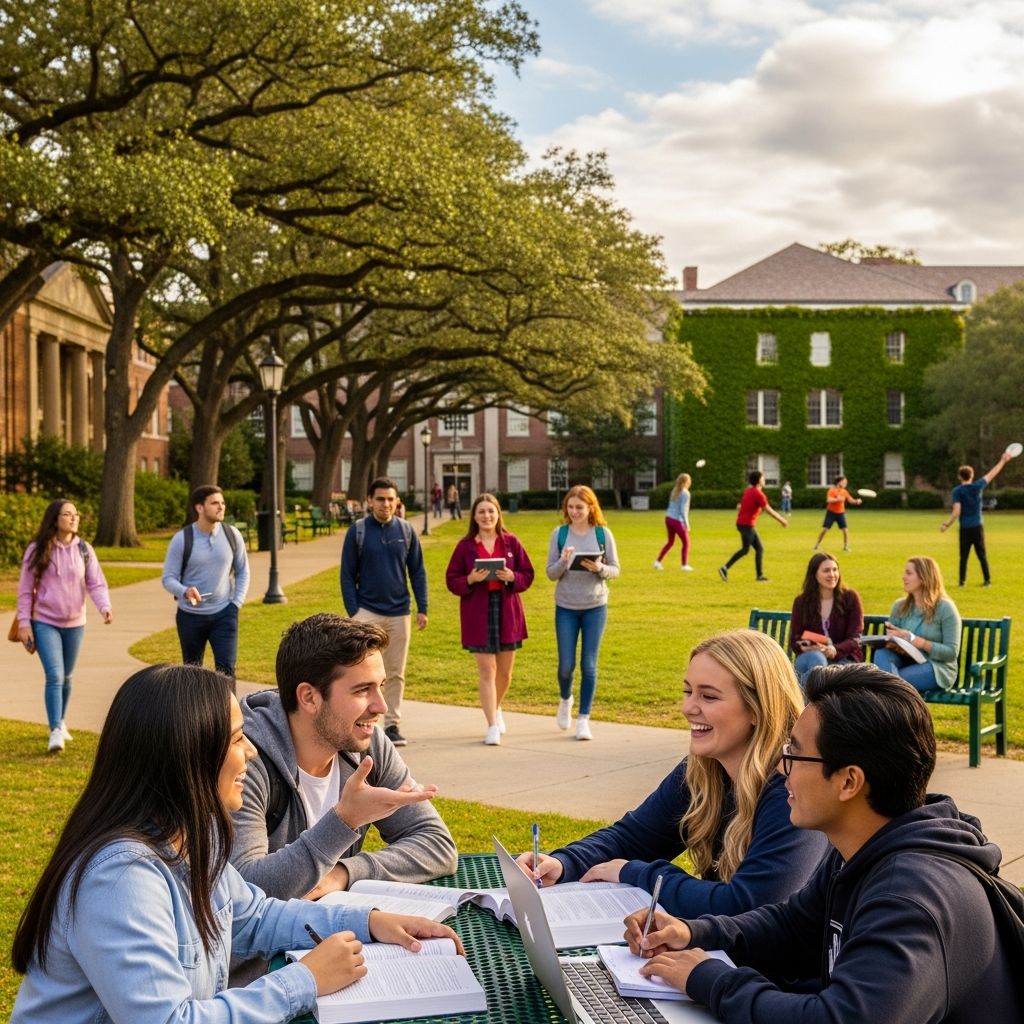
Understanding the Foundation of College Friendships
The transition to college represents more than just an academic shift; it signals a fundamental change in your social environment. Unlike high school, where your social circles were largely predetermined by geography and institutional structures, college offers unprecedented freedom in choosing your social connections. This freedom can feel both liberating and overwhelming. The good news is that college campuses are specifically designed to facilitate social interaction, and most of your peers are actively seeking the same connections you are. Understanding that you’re not alone in this pursuit significantly reduces anxiety and creates the foundation for genuine friendships.
The key to successful social integration lies in recognizing that friendship development is a gradual process requiring consistent effort and openness. Rather than viewing social connections as something that should happen spontaneously, approaching them as an intentional investment of your time and energy transforms your college experience. This mindset shift allows you to engage in social activities with purpose and authenticity, rather than expecting friendships to materialize effortlessly.
Leveraging Residential Life as Your First Social Hub
Your residence hall serves as one of the most accessible and organic environments for developing friendships. The physical proximity and repeated interactions create natural opportunities for connection that simply don’t exist elsewhere on campus. The most successful residential social strategies involve making yourself visible and approachable to your peers.
Practical residential strategies include:
- Keeping your door open during the first weeks of the semester signals openness and invites casual conversations from hallmates
- Spending time in common areas such as lounges, kitchens, and study spaces increases visibility and creates low-pressure social encounters
- Introducing yourself proactively to people on your floor, including those living above and below you, expands your immediate social circle
- Attending floor-wide events and gatherings that your residence life staff organizes creates shared experiences with your peers
- Initiating casual conversations when you encounter hallmates in shared spaces demonstrates interest in connection
Your roommate relationship deserves particular attention, as this connection often serves as a gateway to broader social networks. Investing time in knowing your roommate and encouraging them to introduce you to their friends accelerates your integration into campus social life. Even if you and your roommate don’t become best friends, maintaining a positive and open dynamic creates a comfortable home base from which you can explore other social opportunities.
Strategic Participation in Organizational Life
Campus organizations represent perhaps the most effective mechanism for meeting people with shared interests and values. Unlike randomly selecting hallmates, joining organizations allows you to self-select into communities where fundamental compatibility already exists. This shared foundation makes initial conversations easier and provides built-in topics for discussion and engagement.
Most colleges and universities host involvement fairs at the beginning of each semester, typically during the first week of classes or during orientation week. These events showcase hundreds of student organizations ranging from academic clubs to recreational groups, cultural organizations, volunteer initiatives, and recreational activities. Attending these fairs and signing up for multiple organizations increases your exposure to different communities and helps you identify where you feel most comfortable.
The effectiveness of organizational involvement depends on consistency and genuine engagement. Simply attending one meeting rarely produces meaningful friendships; instead, committing to regular attendance allows you to recognize familiar faces and develop relationships over time. As you continue attending meetings, you’ll begin to see the same people repeatedly, creating multiple touchpoints for connection. This repeated exposure, combined with shared activity and mutual interest, creates the conditions where friendships naturally develop.
Maximizing Academic and Classroom Connections
Your courses represent another significant avenue for social connection that students often overlook. The classroom environment provides structured opportunities for interaction through group projects, class discussions, and study sessions. Unlike scheduled social events, classroom encounters happen naturally and don’t require the additional step of initiating social plans.
Effective classroom-based friendship building involves:
- Arriving early to class and chatting with classmates sitting near you before the lecture begins
- Asking classmates if you can exchange contact information to discuss course material outside class
- Volunteering for group projects and actively engaging with your team members
- Suggesting study groups for upcoming exams to create structured social interaction around academics
- Remaining after class to speak with classmates about the material or casual topics
- Identifying “recurring characters”—people you see in multiple classes—and introducing yourself after spotting them several times
The advantage of classroom-based friendships is that they develop in a low-pressure environment with clear conversational anchors. You don’t need to manufacture reasons to interact; the course content provides natural discussion material. These academic connections frequently evolve into broader friendships as you discover shared interests beyond the classroom.
Engaging with Campus Events and Experiences
Universities intentionally program diverse events throughout the semester specifically to create social opportunities. These range from large-scale concerts and performance events to intimate discussion forums, athletic competitions, cultural celebrations, and themed social gatherings. Each event represents a chance to be around other students in a shared experience, which creates natural bonding opportunities.
Strategic event attendance means moving beyond passive participation. Rather than simply attending an event and leaving, arrive early to chat with other early arrivals, stay after to discuss what you saw, or attend events specifically designed for socializing. Attending events regularly—ideally at least once per week—creates a pattern of social engagement that increases your visibility on campus and expands your circle of acquaintances.
Many campus events create natural conversation starters. Whether you’re enjoying free food, watching performers, exploring exhibits, or participating in interactive activities, these shared experiences provide common ground for casual conversation. Someone experiencing the same event at the same moment already has built-in rapport with you.
Orientation Week as a Concentrated Networking Period
For first-year students, orientation week represents an unusually concentrated period of social opportunity. During this week, the entire incoming class is actively seeking connections, campus staff deliberately structure social interactions, and the normal academic schedule hasn’t yet begun. This creates an ideal environment for rapid social integration.
Maximizing orientation week requires attending as many structured events as possible. While it may feel exhausting to participate in numerous activities over several days, this intensive social engagement pays long-term dividends. Many students report that their closest college friendships began with people they met during orientation week, before the academic year created competing demands on everyone’s time.
The repeated exposure to other students throughout orientation week is particularly valuable. You’ll encounter the same people at multiple events, which creates familiarity and more natural opportunities for deeper conversation. These multiple exposures establish the foundation for friendships that extend far beyond orientation week.
Practical Interpersonal Approaches
Beyond structural opportunities, certain interpersonal approaches consistently produce stronger social connections. Demonstrating genuine interest in others stands as perhaps the most important factor. People respond positively to those who ask questions, listen actively, and show curiosity about their perspectives and experiences.
Adopting a posture of openness and friendliness dramatically increases your social accessibility. Simple gestures—smiling, making eye contact, introducing yourself, and using people’s names—signal that you’re approachable and interested in connection. These small behaviors cost nothing but create significantly different social responses from those around you.
Taking conversational initiative removes barriers to connection. Rather than waiting for others to approach you, proactively start conversations with people you encounter. This might mean complimenting someone’s clothing or approach to a class discussion, asking about their major or hometown, or simply saying hello when you notice someone regularly in shared spaces. Most people appreciate friendly overtures and respond positively to genuine interest.
Specialized Pathways to Campus Integration
Beyond general social strategies, several specialized pathways can accelerate integration into college communities. Joining a fraternity or sorority, while not appropriate for everyone, provides immediate access to a pre-existing social structure and community. Religious organizations and faith communities similarly offer established groups with shared values and frequent gatherings. Volunteer opportunities connect you with others who share a commitment to service while providing meaningful activity beyond socializing.
Intramural sports and recreational activities create ongoing interaction through shared pursuit of physical activity. Whether you’re highly athletic or simply seeking casual recreation, these environments attract diverse students united by specific interests. The repeated meeting schedule and cooperative nature of many recreational activities builds natural friendships.
Using social media strategically can also facilitate pre-arrival connections. Many colleges host online groups for incoming students, allowing you to identify classmates and begin digital conversations before arriving on campus. While these connections should not replace in-person interaction, they can ease the transition by creating familiar faces during those early, overwhelming days.
Managing Expectations and Maintaining Persistence
Building a meaningful social network at college requires patience and persistence. Friendships rarely form instantly; instead, they develop gradually through consistent interaction and shared experiences. Initial meetings may not immediately result in close connections, but repeated encounters often transform casual acquaintances into genuine friends.
Maintaining realistic expectations prevents discouragement. Not every person you meet will become a close friend, and that’s perfectly normal. Social connection operates through a filtering process where many acquaintances gradually narrow into smaller groups of friends. This natural attrition doesn’t indicate failure; it reflects the normal development of social networks.
Equally important is recognizing that social comfort typically increases as the semester progresses. The anxiety many students experience during the first weeks of college diminishes significantly as you establish routines, become familiar with campus, and develop a core group of acquaintances. What feels socially challenging in September often feels manageable by October.
Creating Inclusive Social Practices
As you build your own social network, recognizing the importance of inclusivity strengthens both your friendships and campus culture. Inviting others to sit with you in dining areas, including newcomers when you attend events, and making space for people who seem to be on the margins creates a more welcoming environment for everyone. This approach also expands your own social circle and introduces you to people you might not have otherwise met.
Being the friend who actively includes others builds a positive reputation and attracts people who share these values. Rather than limiting your friendships to a small closed group, maintaining openness to new people creates dynamic and evolving social networks that provide ongoing opportunities for growth and connection.
Frequently Asked Questions
Q: What if I’m introverted or socially anxious about meeting new people?
A: Introversion and social anxiety are incredibly common in college. Start with lower-pressure environments like small group activities, one-on-one conversations, or structured activities where there’s clear purpose beyond socializing. Online connections can also provide a bridge into in-person friendships. Remember that many other students share similar feelings, and your authenticity will attract others seeking genuine connections.
Q: How long does it typically take to develop close friendships in college?
A: Close friendships generally develop over weeks to months of consistent interaction. Initial acquaintances may form within days or weeks, but deeper connections requiring trust and mutual understanding typically require at least several weeks of regular contact. The timeline varies based on personality, shared experiences, and frequency of interaction.
Q: What if I don’t click with my roommate?
A: Not clicking with your roommate is extremely common and doesn’t limit your social opportunities. You can maintain a friendly, respectful cohabitation while developing your primary friendships through other campus connections. Your residence hall offers other floors, common spaces, and hallmates beyond your roommate.
Q: Should I join multiple organizations or focus on one?
A: Joining two to three organizations initially allows you to explore different communities while remaining manageable. Once you identify where you feel most comfortable, you can deepen involvement in those groups. Quality of engagement matters more than quantity of memberships.
Q: Is it okay to initiate friendship with someone I only know from one class?
A: Absolutely. College is specifically an environment where initiating friendly contact with relative strangers is completely normal and expected. Suggesting study sessions, exchanging contact information, or inviting someone to a campus event provides a natural way to develop the connection beyond the classroom.
References
- How to Make Friends in College: 8 Tips from Real Students — Inside UNI. Accessed April 2026. https://insideuni.uni.edu/campus-community/how-make-friends-college-8-tips-real-students
- How to Make Friends in College: 5 Practical Tips — St. John’s University. Accessed April 2026. https://www.stjohns.edu/news-media/johnnies-blog/how-to-make-friends-in-college
- 12 Ways to Make Friends in College — Carthage Compass, Carthage University. Accessed April 2026. https://www.carthage.edu/news-events/carthage-compass/12-ways-to-make-friends-in-college/
- How do you recommend making friends in college? — Career Village. Accessed April 2026. https://www.careervillage.org/questions/830332/how-do-you-recommend-making-friends-in-college
- How To Make Friends In College Or University — Succeed Socially. Accessed April 2026. https://www.succeedsocially.com/howtomakefriendscollege
- 11 Smart Ways to Make Friends in College — McKendree University. Accessed April 2026. https://www.mckendree.edu/offices/marcom/blog/make-friends-college.php
- An Introvert’s Declassified School Survival Guide: Making Friends at College — NYU. Accessed April 2026. https://meet.nyu.edu/advice/introverts-guide-to-friendships-making-friends/

- Integrated M.A. in Applied Linguistics, University of Hyderabad
- 5+ years in editorial, instructional, SEO, and research-based writing
Sneha is a relationships and lifestyle writer with a strong foundation in applied linguistics and certified training in relationship coaching. She brings over five years of writing experience to theskillvault, crafting thoughtful, research-driven content that empowers readers to build healthier relationships, boost emotional well-being, and embrace holistic living. Her writing and insights reflect the belief that beauty, happiness, and wellness…