
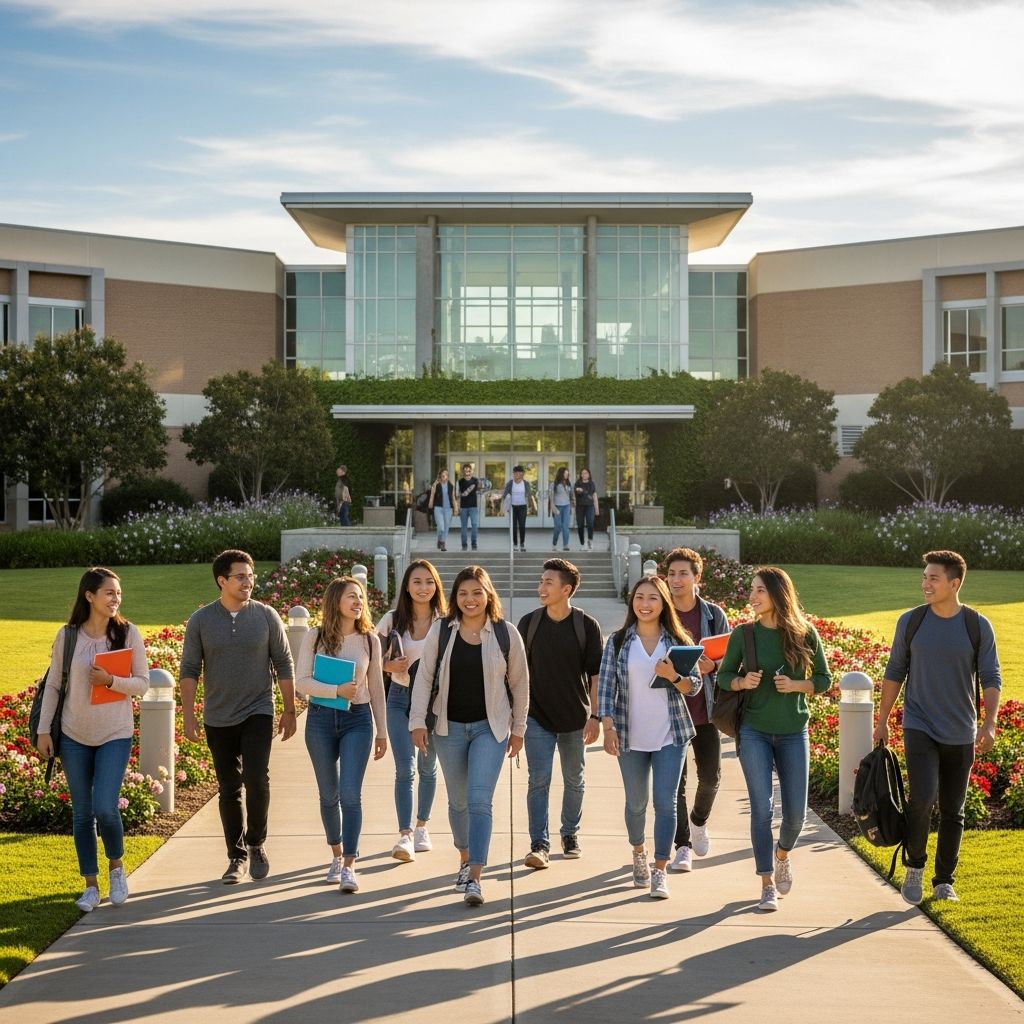
Community colleges stand as cornerstone institutions in the American higher education landscape, delivering affordable, open-access learning opportunities to millions. These public two-year colleges enroll about 40% of all undergraduates annually, prioritizing accessibility for first-generation learners, low-income families, and underrepresented groups.
The Widespread Reach of Community Colleges
With over 900 institutions spread across rural, suburban, and urban settings, community colleges ensure higher education is within reach for nearly every American. Federal data identifies around 1,022 such colleges participating in student aid programs, representing 28.1% of all higher education institutions. This extensive network makes postsecondary education geographically convenient and financially feasible compared to four-year universities.
Enrollment figures underscore their prominence: in recent years, approximately 8.6 to 8.9 million students attend these colleges yearly, accounting for 40-44% of U.S. undergraduates. A significant portion—over 70%—opt for part-time study, accommodating working adults and those balancing family responsibilities.
Diverse Student Populations Served
Community colleges excel in serving populations often sidelined by traditional universities. In fall 2023, demographics revealed 6% Asian, 12% Black, 29% Hispanic/Latino, 1% Native American, and 41% White students, with 42% being Black or Hispanic—far higher than the 30% at public four-year schools. Notably, 57% come from households below 200% of the federal poverty level, compared to 46% at public four-years and 42% at privates.
Age diversity is another hallmark: 29% are 25 or older, and 23% have dependent children, reflecting their role as a second-chance gateway for adult learners and career switchers. This inclusivity positions community colleges as vital engines for social mobility.
Academic Programs and Credentials Awarded
These institutions primarily grant associate degrees, certificates, and a growing number of applied bachelor’s. In 2020-21, they awarded 859,826 associate degrees, 619,708 certificates, and 30,067 bachelor’s degrees. Leading fields include:
- Liberal Arts and Sciences, General Studies, and Humanities
- Health Professions and Related Programs
- Business, Management, Marketing, and Related Support Services
- Multi/Interdisciplinary Studies
- Computer and Information Sciences and Support Services
Projections indicate enrollment growth to over 5 million by 2031, with liberal arts remaining dominant—over 400,000 associate degrees in 2021 alone.
Financial Advantages and Cost Savings
A primary draw is affordability. Tuition at community colleges averages far below four-year options, enabling broader access without crippling debt. Many offer free or low-cost tuition via state initiatives, workforce partnerships, and federal aid. This model supports quick entry into the workforce through certificates or seamless transfer to bachelor’s programs.
| Metric | Community Colleges | Public Four-Year |
|---|---|---|
| Annual Enrollment Share | 40-44% | ~30% (underrepresented groups) |
| Part-Time Students | 72% | Lower proportion |
| Low-Income Students (<200% Poverty) | 57% | 46% |
| Associate Degrees (2020-21) | 859,826 | N/A |
This table highlights key contrasts, drawn from federal data.
Transfer Opportunities and University Partnerships
Beyond immediate credentials, community colleges facilitate transfer pathways. Articulation agreements with state universities guarantee credit acceptance, smoothing the jump to bachelor’s degrees. Students completing general education requirements often transfer with junior status, saving thousands in costs.
Success hinges on strong advising and program alignment. Research shows transfer students from community colleges perform comparably to native university entrants, proving the model’s efficacy.
Career-Focused Training and Workforce Development
Vocational programs align directly with employer needs in healthcare, IT, manufacturing, and trades. Short-term certificates (under a year) lead to high-demand jobs, while associate degrees boost earning potential. Partnerships with businesses provide internships, apprenticeships, and customized training, enhancing graduate employability.
Support Services for Student Success
To foster retention, colleges offer tutoring, counseling, career services, and childcare. Dual enrollment for high schoolers eases college entry, and online/hybrid options suit nontraditional students. These wraparound services address barriers like finances and family obligations.
Challenges Facing Community Colleges
Despite strengths, issues persist: funding shortfalls strain resources, high part-time enrollment correlates with lower completion rates, and transfer inefficiencies frustrate students. Pandemic disruptions exacerbated enrollment drops, though recovery is underway. Policy efforts aim to boost completion via guided pathways and incentives.
Top-Rated Institutions and Rankings
Excellence varies; platforms like Niche rank colleges on academics, value, and reviews using U.S. Department of Education data. Standouts excel in graduation rates, affordability, and student satisfaction. Prospective students should compare local options via tools like AACC’s finder.
Frequently Asked Questions
What percentage of U.S. undergraduates attend community colleges?
About 40-44%, or roughly 8.6-8.9 million students annually.
Are community college credits transferable to universities?
Yes, via articulation agreements; many states ensure seamless transfer for associate degree completers.
Who typically enrolls in community colleges?
Diverse groups including low-income, first-generation, Hispanic/Black, and adult learners—57% from low-income households.
What are the most common degrees awarded?
Associate degrees in liberal arts, health, business; over 859,000 in 2020-21.
Is financial aid available at community colleges?
Absolutely—Pell Grants, state aid, and scholarships cover much of the low tuition for eligible students.
Future Outlook for Community Colleges
As workforce demands evolve, these colleges adapt with tech-driven programs, equity initiatives, and expanded bachelor’s offerings. Enrollment forecasts predict growth, cementing their role in democratizing education. For millions, they represent the first step toward economic empowerment.
References
- An Introduction to Community Colleges and Their Students — Community College Research Center, Teachers College, Columbia University. 2023. https://ccrc.tc.columbia.edu/publications/an-introduction-to-community-colleges-and-their-students.html
- Community College Facts at a Glance — U.S. Department of Education. 2020-21. http://www.ed.gov/higher-education/find-college-or-educational-program/community-college/community-college-facts-glance
- 2026 Best Community Colleges — Niche.com (using U.S. Dept. of Education data). 2026. https://www.niche.com/colleges/search/best-community-colleges/
- Community colleges in the United States – Statistics & Facts — Statista. 2021-2031. https://www.statista.com/topics/3468/community-colleges-in-the-united-states/

- Integrated M.A. in Applied Linguistics, University of Hyderabad
- 5+ years in editorial, instructional, SEO, and research-based writing
Sneha is a relationships and lifestyle writer with a strong foundation in applied linguistics and certified training in relationship coaching. She brings over five years of writing experience to theskillvault, crafting thoughtful, research-driven content that empowers readers to build healthier relationships, boost emotional well-being, and embrace holistic living. Her writing and insights reflect the belief that beauty, happiness, and wellness…