
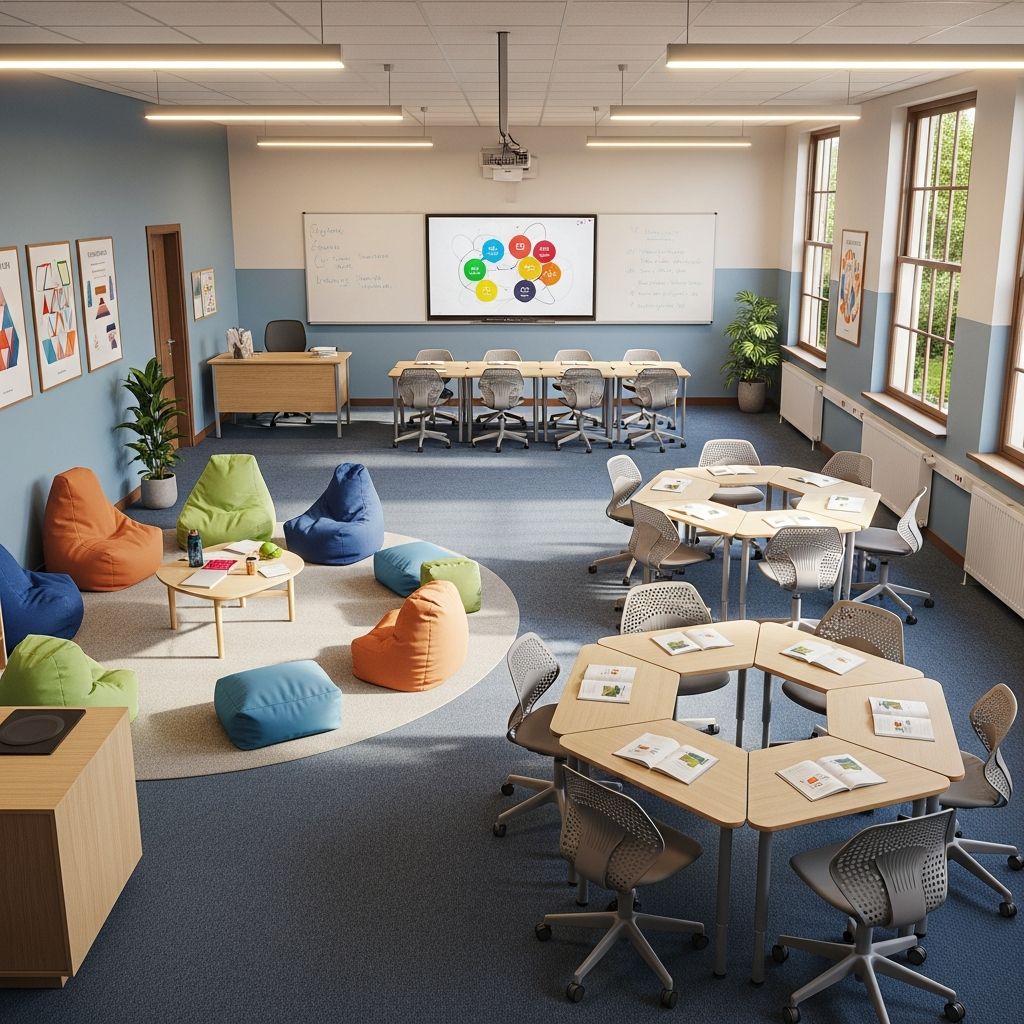
Effective classroom design transforms ordinary spaces into dynamic hubs of education, directly influencing student engagement, teacher efficiency, and overall academic performance. Research shows that thoughtful arrangements can minimize disruptions, foster collaboration, and accommodate diverse learning styles, making them essential for contemporary teaching.
Why Classroom Arrangement Matters
The physical setup of a classroom shapes how students interact with content, peers, and instructors. Traditional fixed rows prioritize individual focus but limit peer dialogue, while modern configurations like clusters promote teamwork essential for project-based learning. Studies indicate that flexible environments better support shifting instructional modes, from lectures to group discussions, improving retention and participation rates.
Key benefits include enhanced visibility to instructional materials, clear pathways for movement, and zones tailored to activities like independent work or collaborative projects. Poor layouts, conversely, can lead to disengagement, safety hazards, and inefficient use of space.
Core Principles of Smart Classroom Design
Successful layouts balance multiple factors to create supportive learning ecosystems.
- Safety First: Ensure ample spacing between furniture to prevent accidents, maintain clear evacuation routes, and designate safe zones for emergencies.
- Visibility and Sightlines: Position desks so every student sees the board, projector, or teacher without obstructions, crucial for lectures and demonstrations.
- Circulation Paths: Wide aisles allow easy teacher movement and student transitions, reducing bottlenecks during activities.
- Flexibility: Use movable furniture to reconfigure spaces quickly for different lessons, accommodating group work, tests, or discussions.
- Storage Efficiency: Integrate accessible shelving and cubbies to keep floors clear and supplies organized.
These principles, drawn from educational research, ensure rooms adapt to varied pedagogies while prioritizing inclusivity for students with diverse needs.
Popular Classroom Configurations Explained
Different setups suit specific teaching goals. Here’s a breakdown of effective options.
Traditional Rows
Desks aligned in straight lines facing the front excel for direct instruction, note-taking, and tests. This arrangement minimizes peer distractions and maximizes focus on teacher-led content, as confirmed by studies on on-task behavior. Ideal for introducing new concepts or independent practice, though it may isolate back-row students.
U-Shape or Horseshoe
Desks form a semicircle or U, opening toward the front. This boosts discussion by improving eye contact and allowing teacher circulation. Research highlights its role in building community and peer collaboration without sacrificing instructional oversight. Perfect for debates, sharing, or whole-class feedback.
Cluster or Pod Groups
Tables or desks grouped in sets of 4-6 encourage teamwork on projects or labs. L-shaped or modular clusters maintain front visibility while enabling conversation, suiting mixed activities across subjects. Teachers note versatility in smaller spaces, though supervision requires strategic positioning.
Floor and Flexible Seating Zones
Incorporate cushions, stools, or stand-up areas for choice-based seating. Students select spots suiting their focus style, enhancing motivation and accommodating kinesthetic learners. Combine with rules for clear pathways to sustain order.
Comparison Table:
| Layout | Best For | Pros | Cons |
|---|---|---|---|
| Rows | Lectures, Tests | High focus, Easy management | Limited interaction |
| U-Shape | Discussions | Great visibility, Collaboration | Requires more space |
| Clusters | Group Work | Team synergy, Versatile | Potential distractions |
| Flexible | Varied Activities | Student choice, Engagement | Needs clear rules |
Creating Zoned Learning Environments
Divide rooms into dedicated areas for specific tasks to optimize flow. A quiet corner for reading, a collaboration pod for projects, and a presentation zone near tech tools create purposeful spaces. Use screens, rugs, or low partitions for subtle separation, preserving supervision.
In early education, floor zones with soft seating support play-based learning and circle times, fostering social skills. For higher grades, integrate tech stations with charging hubs and adjustable heights for hybrid instruction.
Adapting for Inclusivity and Technology
Modern classrooms must serve all learners. Ensure wide paths for wheelchairs, adjustable desks for varied heights, and quiet nooks for sensory needs. Technology demands power outlets, screens at optimal angles, and cable management to avoid hazards.
Flexible furniture like nesting tables or wheeled chairs enables quick shifts, supporting personalized learning paths. Research from university guidelines emphasizes square room shapes under 50 seats for superior reconfiguration and sightlines.
Practical Tips for Implementation
Start by mapping your space: measure dimensions, note fixed elements like doors and windows, then sketch options. Involve students in setup to build ownership, setting expectations for maintenance.
- Test layouts during low-stakes lessons and adjust based on flow.
- Color-code zones for quick resets.
- Incorporate natural light and plants for calming effects.
- Schedule furniture rearrangements to match curriculum units.
For small rooms, prioritize wall-mounted storage and vertical grouping. Larger spaces benefit from multiple zones, enhancing zoning potential.
Measuring Success and Common Pitfalls
Track improvements via student feedback, observation of engagement, and academic metrics. Avoid overcrowding, ignoring acoustics, or static setups that stifle variety. Regular tweaks keep spaces evolving with class dynamics.
Frequently Asked Questions
How often should I change classroom layouts?
Weekly or per unit, aligning with lesson goals to maintain freshness and adaptability.
What if my classroom is small?
Opt for L-clusters against walls, vertical storage, and minimal flexible pieces for efficiency.
Does flexible seating reduce disruptions?
Yes, when paired with clear rules; it boosts focus by matching student preferences.
How do I ensure safety in clustered setups?
Maintain 3-foot aisles, secure cords, and train on emergency protocols.
Can layouts improve test scores?
Indirectly, by enhancing focus and collaboration suited to prep styles.
This guide equips educators to craft inspiring spaces. Experiment boldly to discover what elevates your classroom.
References
- Optimising Classroom Layouts for Maximum Learning Impact — Classroom Direct. 2023. https://classroomdirect.co.uk/blogs/blog/optimising-classroom-layouts-for-maximum-learning-impact-the-complete-guide-for-uk-educators
- 11 Smart Student Desk Layouts — Edutopia. 2020-10-15. https://www.edutopia.org/visual-essay/11-smart-student-desk-layouts/
- Top Tips to Optimize Your Classroom Design — KI Furniture. 2023. https://www.ki.com/insights/blog/top-tips-to-optimize-your-classroom-design/
- The Science of Classroom Design — Edutopia. 2019. https://www.edutopia.org/article/the-science-of-classroom-design/
- 10 Best Classroom Setup Ideas — Prodigy Game. 2023. https://www.prodigygame.com/main-en/blog/classroom-setup

Medha Deb is an editor with a master's degree in Applied Linguistics from the University of Hyderabad. She believes that her qualification has helped her develop a deep understanding of language and its application in various contexts. Medha specializes in the areas of beauty, health, sports, and wellness and is committed to ensuring that the content on the website is…