
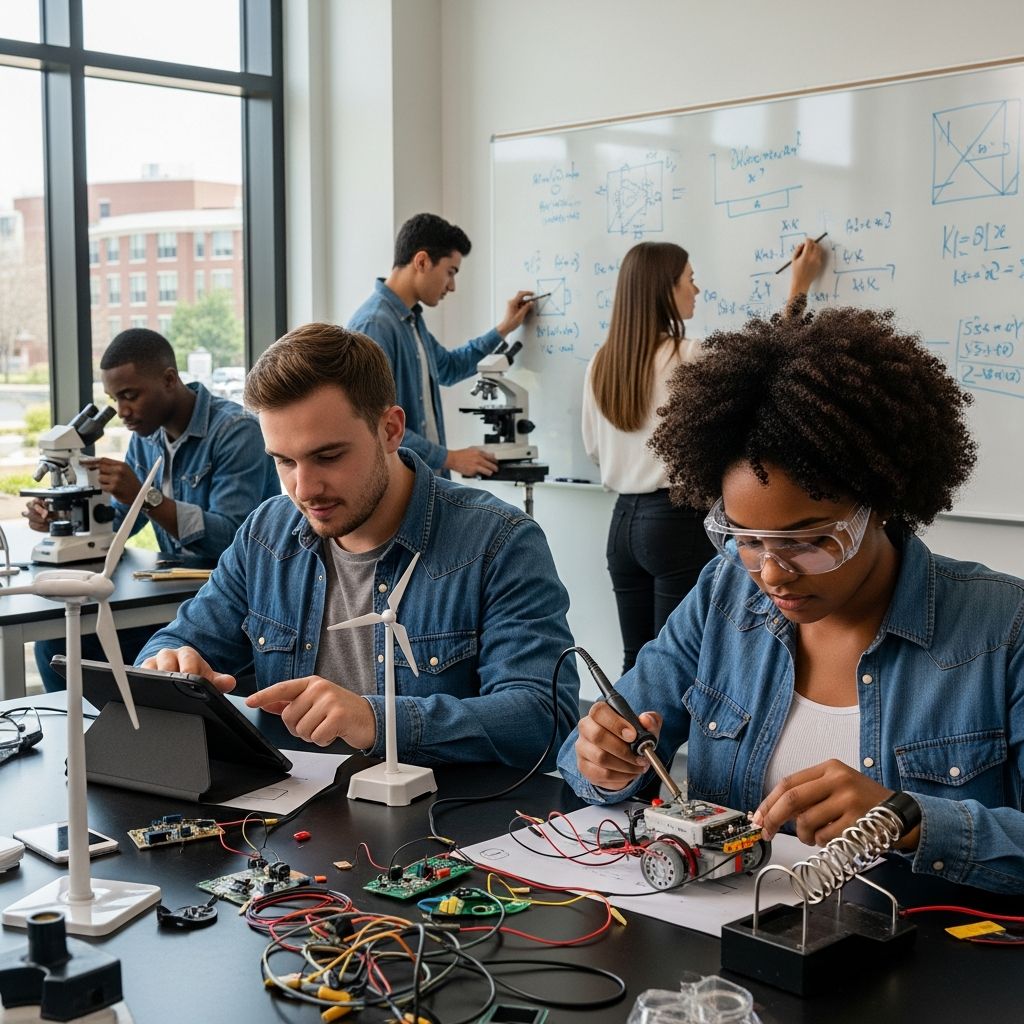
Transforming Education Through Active Participation and Collaboration
Modern educational approaches are shifting away from traditional lecture-based models toward methodologies that emphasize active engagement and peer collaboration. This transformation places learners at the center of the educational experience, enabling them to develop skills that extend far beyond what conventional instruction methods can provide. When students engage in collaborative, project-based activities, they gain practical experience while simultaneously cultivating competencies that employers and higher education institutions increasingly demand.
The collaborative learning environment creates spaces where participants work together toward common goals, exchanging ideas freely and building on each other’s contributions. This approach fundamentally changes the dynamics of the learning process, shifting responsibility from passive information reception to active knowledge construction. Students become invested in their work because they maintain agency throughout the learning journey.
Core Principles Underlying Collaborative Project-Based Learning
Effective collaborative learning environments operate according to several foundational principles that distinguish them from traditional educational models. Understanding these principles helps educators implement these approaches successfully in their classrooms and learning spaces.
Student Autonomy and Agency
When learners have genuine choice in their project selection and approach, their motivation increases substantially. Students who participate in determining how they will tackle learning objectives develop stronger ownership of their achievements. This autonomy extends to problem-solving methods, allowing students to explore multiple pathways toward solutions rather than following predetermined steps.
Iterative Development and Refinement
Rather than expecting perfection on the first attempt, iterative approaches embrace multiple versions and continuous improvement. This methodology reduces anxiety about making mistakes and creates psychological safety for experimentation. Each iteration represents a learning opportunity, and students understand that revision strengthens their final products. The process of refinement itself teaches valuable lessons about persistence, adaptability, and constructive feedback integration.
Peer Feedback and Knowledge Exchange
When students share their work with classmates and receive constructive feedback, they develop critical evaluation skills while gaining new perspectives. Peer teaching moments emerge naturally as students explain their thinking and learn from how others approached similar challenges. This reciprocal learning dynamic enriches the educational experience for all participants.
Creative Production and Making
The emphasis on creating tangible outputs—whether physical objects, digital products, or conceptual designs—grounds abstract learning in concrete reality. Students see their ideas materialize, which provides immediate feedback on their understanding and generates motivation to refine their work further.
Developing Essential 21st-Century Competencies
Research consistently demonstrates that collaborative, project-based learning environments cultivate skills that contemporary workplaces and academic institutions prioritize. These competencies extend beyond subject-specific knowledge to encompass broader capabilities.
- Problem-Solving Abilities: Students encounter ill-defined challenges that require creative thinking and systematic approaches to resolution. Unlike textbook problems with predetermined solutions, authentic project work demands that learners develop strategies for addressing ambiguous situations.
- Communication Proficiency: Explaining ideas clearly to teammates, presenting findings to audiences, and writing documentation all strengthen communication capabilities. Students learn to adjust their explanations based on audience knowledge and context.
- Innovation and Creativity: When students have freedom to explore unconventional solutions and experiment with novel approaches, creative thinking flourishes. The emphasis shifts from replicating correct answers to generating original ideas.
- Collaborative Teamwork: Working effectively with peers develops interpersonal skills, conflict resolution abilities, and understanding of diverse perspectives. Students learn to leverage different strengths and viewpoints within their teams.
- Resilience and Adaptive Thinking: When projects don’t proceed as anticipated, students practice persisting through setbacks and adjusting their strategies. This builds confidence in their ability to handle challenges and uncertainty.
- Critical Analysis: Evaluating information sources, assessing the validity of solutions, and reflecting on their own learning processes all strengthen critical thinking capabilities.
Engagement Across Diverse Student Populations
One significant advantage of collaborative, project-based approaches involves their ability to engage students with varied learning preferences and interests. Students who struggle with traditional STEM instruction often find this format more accessible and motivating because the emphasis extends beyond abstract concepts to include practical application and creative expression.
The narrative-driven, story-based quality of many projects creates contexts that make learning feel purposeful rather than arbitrary. When students understand why they are learning something and how it connects to meaningful goals, engagement increases dramatically. Projects can be designed to connect with students’ interests, backgrounds, and aspirations, making the learning experience more personally relevant.
Establishing Functional Collaborative Workspaces
Physical and virtual spaces designed specifically for collaborative project work require thoughtful planning, though they need not be prohibitively expensive to establish or maintain. These environments support the collaborative and creative processes central to this learning approach.
Space Considerations
| Space Feature | Purpose | Implementation Approach |
|---|---|---|
| Flexible Furniture Arrangement | Facilitates different group configurations and project types | Use mobile tables, modular seating, and reconfigurable storage |
| Resource Accessibility | Students can locate materials and tools independently | Organize supplies by type with clear labeling and inventory systems |
| Collaboration Areas | Dedicated spaces for team discussion and planning | Include whiteboards, pin boards, and gathering spaces |
| Display Areas | Showcase works in progress and completed projects | Use wall space, bulletin boards, and shelving for exhibition |
| Documentation Stations | Record the creative process and learning journey | Provide cameras, recording devices, and journaling materials |
Resource Selection and Management
Effective collaborative workspaces need not be filled with expensive equipment. Many impactful projects utilize a combination of traditional craft materials, recycled items, basic tools, and when available, selected technologies like 3D printers or digital design software. The key is matching resources to project objectives while maintaining safety and accessibility standards.
Educators can begin implementing collaborative project-based learning with minimal resources and expand gradually as programs grow. Starting with smaller-scale initiatives allows teachers to develop expertise with the approach before investing in extensive equipment or facility modifications.
Integrating Technology Thoughtfully
Technology serves as a tool to enhance collaborative project-based learning rather than as the primary focus. Traditional hands-on making techniques blend with digital tools to expand the range of possible projects and outcomes. When technology is integrated purposefully, it enables students to accomplish goals that would otherwise be impossible while maintaining the emphasis on creativity and problem-solving.
The combination of analog and digital tools often produces the most powerful learning experiences. Students might sketch designs by hand, refine them using digital design software, create physical prototypes using conventional tools, and document their process with photography and video.
Assessment and Reflection in Project-Based Learning
Evaluating student learning in collaborative project environments requires assessment approaches that capture the full range of competencies being developed. Traditional testing methods fail to measure many of the most valuable outcomes, including creativity, collaboration quality, and problem-solving processes.
Effective assessment in these contexts typically includes multiple components: evaluation of the final product’s functionality and design quality, assessment of the creative process through documentation and observation, reflection on learning and growth, and peer and self-assessment. Rubrics that identify criteria for success help students understand expectations while providing clear feedback on their work.
Reflection activities—where students consider what they learned, how they solved challenges, and what they might do differently—deepen learning and metacognitive awareness. This reflective practice helps students recognize the skills they’ve developed and understand how those capabilities transfer to other contexts.
Overcoming Common Implementation Challenges
Educators considering the adoption of collaborative project-based approaches often encounter practical obstacles. Recognizing these challenges and planning strategies to address them improves implementation success.
- Time Management: Project-based work often requires more time than traditional instruction, particularly when including iterative development and reflection. Strategic curriculum planning and integration of maker activities within existing content can mitigate time constraints.
- Space and Resource Limitations: Not all schools have dedicated makerspaces or extensive tool collections. Successful programs adapt available resources creatively and prioritize purchases based on project needs.
- Teacher Preparation and Confidence: Educators transitioning from traditional teaching methods may feel uncertain about managing collaborative, student-directed learning. Professional development and peer learning communities can build educator confidence and expertise.
- Equity and Access: Ensuring all students benefit equally from these opportunities requires intentional planning. Inclusive design practices, diverse project options, and attention to group dynamics help create equitable experiences.
- Assessment Complexity: Evaluating collaborative project work presents different challenges than assessing traditional assignments. Developing appropriate assessment tools and rubrics requires time and professional learning.
Scaling Collaborative Learning District-Wide
Schools and districts seeking to expand collaborative, project-based learning beyond individual classrooms benefit from systematic planning. Strategic implementation considers infrastructure needs, professional development requirements, resource allocation, and ongoing support structures. Successful scaling typically proceeds incrementally, allowing educators to develop expertise while building community support and demonstrating outcomes.
Frequently Asked Questions
Q: Can collaborative project-based learning work with younger elementary students?
A: Yes, adapted versions work effectively with younger learners. Projects may be simpler and shorter, with more teacher guidance and structured routines. The fundamental principles—student choice, iteration, collaboration, and reflection—remain applicable across age levels.
Q: How much does it cost to establish a collaborative learning workspace?
A: Costs vary dramatically based on scale and equipment choices. Schools can begin with minimal investment using existing classroom space and basic materials. Specialized equipment can be added gradually as programs develop and budgets allow. Many projects utilize recycled and donated materials alongside purchased supplies.
Q: How do you grade collaborative projects fairly when students contribute differently?
A: Comprehensive assessment approaches typically include individual components (such as personal reflection and specific skill demonstrations) alongside group product evaluation. Peer and self-assessment also provide insight into individual contributions. Clear rubrics and individual accountability measures help ensure fairness.
Q: Does collaborative project-based learning adequately prepare students for standardized tests?
A: Research indicates that students engaged in authentic, hands-on learning often perform well on standardized assessments while simultaneously developing deeper conceptual understanding and practical skills that tests don’t measure. The engagement and relevance of project-based learning typically improves overall academic performance.
Q: Can this approach be used in virtual or hybrid learning environments?
A: Yes, collaborative project-based learning adapts to virtual and hybrid contexts, though physical making is modified. Digital projects, virtual collaboration tools, and at-home making activities can maintain the core principles of student agency, iteration, collaboration, and reflection.
References
- Maker Education: A Teacher’s Guide — Maker’s Red Box. 2024. https://makersredbox.com/unleash-the-power-of-maker-education-a-guide-for-teachers/
- Resources for Maker Education — Edutopia, George Lucas Educational Foundation. 2015. https://www.edutopia.org/article/maker-education-resources/
- DIY Guide to Maker Education — ASCD (Association for Supervision and Curriculum Development). 2024. https://www.ascd.org/blogs/diy-guide-to-maker-education
- Makerspaces and Maker Education – Maker Movement — Elon University LibGuides. 2024. https://elon.libguides.com/makermovement
- Understanding Maker Education: Strategies and Benefits — Education Corner. 2024. https://www.educationcorner.com/maker-education-guide/
- Key Strategies for Maker Education — Mackin Learning. 2024. https://mackinlearning.com/key-strategies-for-maker-education/

- Integrated M.A. in Applied Linguistics, University of Hyderabad
- 5+ years in editorial, instructional, SEO, and research-based writing
Sneha is a relationships and lifestyle writer with a strong foundation in applied linguistics and certified training in relationship coaching. She brings over five years of writing experience to theskillvault, crafting thoughtful, research-driven content that empowers readers to build healthier relationships, boost emotional well-being, and embrace holistic living. Her writing and insights reflect the belief that beauty, happiness, and wellness…