
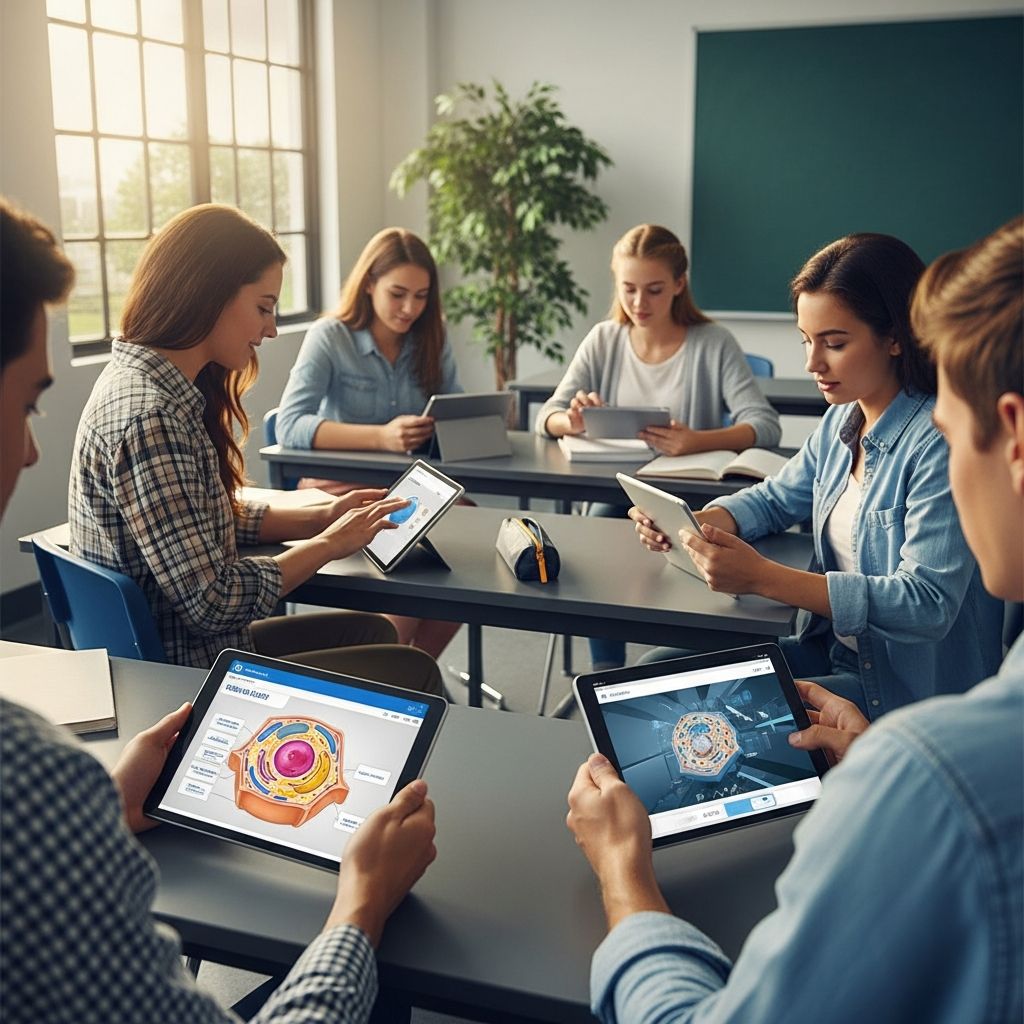
The Evolution of Mobile Technology in Educational Settings
The relationship between mobile devices and education has undergone a significant transformation over the past decade. What once was perceived exclusively as a distraction has gradually emerged as a versatile instrument capable of reshaping how knowledge is delivered and acquired. Mobile phones have transcended their role as communication devices to become sophisticated learning platforms that offer educators unprecedented opportunities to customize instruction and reach learners across geographical and socioeconomic boundaries.
The shift in perspective toward mobile devices in educational contexts reflects a deeper understanding of how students interact with technology in their daily lives. Rather than fighting against this technological reality, forward-thinking educators have begun leveraging the capabilities inherent in devices that students already carry. This pragmatic approach recognizes that students arrive in classrooms with powerful computing devices in their pockets, complete with internet connectivity, multimedia capabilities, and access to thousands of educational applications.
Expanding Educational Access and Overcoming Traditional Barriers
One of the most compelling arguments for integrating mobile devices into educational practice centers on their capacity to democratize access to quality instruction. Geographic location and socioeconomic status have historically limited opportunities for students to engage with expert instruction and comprehensive educational resources. Mobile technology fundamentally changes this equation by providing pathways to world-class educational content regardless of physical location.
Research demonstrates that populations with limited access to personal computers frequently rely on mobile phones as their primary internet gateway. This technological reality positions smartphones as equalizing tools capable of bridging the digital divide that separates privileged and disadvantaged learners. For students in low-income households, mobile devices offer affordable pathways to educational resources that would otherwise remain inaccessible.
Educational institutions have begun capitalizing on this accessibility advantage. Digital learning initiatives now deliver university-quality instruction through mobile-optimized platforms, enabling students worldwide to access rigorous coursework without geographic constraints. These blended and digital classroom models demonstrate that sophisticated learning experiences need not require expensive infrastructure or physical presence on campus.
Personalization and Adaptive Learning Mechanisms
Mobile platforms excel at delivering customized educational experiences tailored to individual learner profiles. Unlike traditional classroom instruction that necessarily serves groups of students operating at varied competency levels, mobile applications can monitor individual progress continuously and adjust difficulty, pacing, and content delivery accordingly. This personalization extends beyond simple content selection to encompass learning pathways that respond dynamically to student performance data.
Adaptive learning systems leverage real-time assessment data to identify knowledge gaps and skill deficiencies. When a student demonstrates mastery of particular concepts, the system advances to more challenging material. Conversely, when learning gaps emerge, the platform offers targeted reinforcement before progression occurs. This responsive approach to instruction maximizes learning efficiency by ensuring students spend time on material appropriate to their current understanding level rather than advancing prematurely or retreading ground they have already mastered.
The practical implications of this personalization are substantial. Educators can now tailor instruction not merely to grade level or course section, but to the specific competency profile of each individual learner. Evidence from educational practice demonstrates that this level of customization produces measurable improvements in learning outcomes. Student achievement data shows meaningful gains when instruction responds to individual learning profiles rather than adhering to rigid, one-size-fits-all pacing and content sequences.
Real-Time Assessment and Responsive Instruction
Mobile devices facilitate continuous feedback loops that inform instructional decision-making at unprecedented speed. Teachers can deploy quick assessment tools through mobile platforms to gauge student understanding in real-time, enabling immediate course correction when learning is not occurring as anticipated. This continuous monitoring stands in sharp contrast to traditional assessment practices that rely on periodic evaluations separated by weeks or months.
Quick-response systems deployed through mobile technology reveal student thinking and comprehension instantly. When misconceptions emerge during instruction, teachers can immediately address them rather than discovering problems weeks later during unit assessments. This rapid feedback cycle represents a fundamental shift in how educational systems can monitor and respond to student learning.
The implications extend beyond individual student benefit. Aggregate data from mobile-administered assessments provides teachers with immediate information about overall class progress. If a substantial portion of the class struggles with particular concepts, teachers can recognize this pattern immediately and adjust instructional approaches accordingly. Conversely, if most students demonstrate mastery, teachers can confidently move forward to subsequent material rather than spending additional time on concepts that have already been learned.
Multimedia Integration and Immersive Learning Experiences
Modern mobile devices incorporate sophisticated multimedia capabilities that enable educators to create rich, multi-sensory learning experiences. Virtual reality applications accessible through mobile platforms allow students to explore environments and manipulate objects in ways that would be impossible in traditional classroom settings. Molecular structures can be visualized from all angles, historical events can be recreated, and scientific phenomena can be experienced through simulation.
Augmented reality technology layered over physical textbooks transforms static printed materials into dynamic, interactive resources. When students point their mobile devices at printed pages, digital content overlays the physical text—videos, three-dimensional models, supplementary information, and interactive elements enhance the static printed word. This blended approach to textbooks maintains the advantages of physical books while adding computational layers that enrich the learning experience.
The engagement potential of these multimedia approaches is substantial. Students respond positively to instruction that incorporates visual demonstrations, interactive simulations, and multimedia presentations. By incorporating these elements through mobile devices, educators can increase student motivation and cognitive engagement compared to traditional verbal instruction or static written materials alone.
Subject-Specific Applications and Specialized Learning Tools
Developers have created specialized mobile applications targeting virtually every academic discipline and skill area. These subject-specific tools employ pedagogically sound design principles tailored to the particular learning objectives of their content domains. Rather than generic learning platforms, these applications embed domain-specific expertise into their instructional sequences and feedback mechanisms.
Language learning applications exemplify this specialization. These platforms employ interactive exercises, voice analysis technology, themed lesson sequences, and spaced repetition algorithms designed specifically to address language acquisition challenges. Students can practice pronunciation, receive feedback on accuracy, and engage with vocabulary in contextual frameworks. The motivational elements embedded in these applications—achievement badges, progress tracking, streak counters—encourage consistent engagement with material that might otherwise feel repetitive.
Similar specialized applications address mathematics, science, history, and other content areas. Each leverages mobile capabilities and modern pedagogical research to create learning experiences optimized for specific subject matter. Teachers need not design these learning experiences from scratch but can instead integrate existing applications that embody years of instructional design refinement.
Collaborative Learning and Social Connectivity
Mobile devices facilitate collaborative learning by enabling communication and information sharing among students in ways that traditional classroom structures do not easily accommodate. Students can work together on shared documents, contribute to collaborative projects, and engage in peer-to-peer knowledge exchange through mobile platforms. These collaborative opportunities extend beyond classmates to include global peers, expanding the diversity of perspectives students encounter.
The social features embedded in many learning platforms capitalize on students’ natural inclination toward peer interaction. By channeling collaborative impulses toward academic purposes, educators transform what might otherwise be social distraction into pedagogically productive engagement. Peer accountability and collective goal-setting create motivational structures that individual learning cannot replicate.
Game-based learning elements often incorporate collaborative components, positioning students as team members working toward shared objectives. This combination of collaborative mechanics and game design principles engages students through multiple motivational pathways simultaneously, making learning feel more like purposeful play than obligatory academic labor.
Organizational Productivity and Administrative Efficiency
Beyond instructional delivery, mobile applications enable students to manage their academic responsibilities more effectively. Reminder systems alert students to upcoming deadlines, reducing the cognitive load of tracking multiple assignments and assessments. These notifications reach students through channels they already monitor regularly, ensuring that organizational information reaches them reliably.
Parents benefit from these same organizational systems, receiving notifications about upcoming deadlines, assignment submissions, and student progress. This transparent communication between school and home creates accountability structures that support student completion and engagement. When families understand what work is expected and when it is due, they can more effectively provide support and encouragement.
Students also develop digital responsibility and time-management skills through the experience of using these tools appropriately. Learning to prioritize academic activities over entertainment options and to use mobile devices purposefully rather than impulsively builds metacognitive abilities that serve students across all contexts.
Accessibility Features and Inclusive Design
Mobile devices incorporate built-in accessibility features that make educational content available to students with diverse physical and sensory abilities. Screen readers convert digital text to audio, enabling students with visual impairments to access written materials. Adjustable font sizes accommodate varying visual acuity. These features exist not as expensive add-ons but as standard capabilities within mobile operating systems.
Digital textbooks leverage these accessibility features to provide inclusive learning experiences. Rather than requiring specialized alternative formats, students with disabilities can use the same materials as their peers, with assistive technology automatically adapting presentation based on individual needs. This approach promotes inclusion while reducing the administrative burden on educational institutions.
Environmental sustainability also emerges as a practical benefit. Digital textbooks and materials eliminate the environmental costs associated with printing, shipping, and eventually discarding physical textbooks. This practical advantage combines with the accessibility benefits to create a compelling case for digital content delivery through mobile devices.
Implementation Considerations and Pedagogical Design Principles
Simply providing students with access to mobile devices and educational applications does not automatically produce learning improvements. Deliberate pedagogical design remains essential. Teachers must align mobile tool use with specific learning objectives and employ them strategically to address particular instructional challenges. When mobile devices are used thoughtfully to match their capabilities to educational purposes, they become powerful instructional resources. When used haphazardly or without clear instructional alignment, they devolve into mere distractions.
Effective implementation requires establishing clear expectations about appropriate device use and maintaining accountability for productive engagement. Wireless communication systems can provide real-time prompts that redirect attention and monitor time allocation. Teachers must actively manage the classroom environment to ensure devices serve learning purposes rather than becoming conduits for off-task behavior.
Professional development matters considerably. Teachers need training not merely in how to operate specific applications but in pedagogical approaches that leverage mobile capabilities effectively. Understanding which instructional scenarios benefit from mobile integration, how to structure activities to maximize learning gains, and how to manage potential distractions separates expert implementation from novice adoption.
Balancing Opportunity and Distraction
The same capabilities that enable powerful learning can facilitate distraction. Mobile devices provide access to unlimited entertainment, social communication, and other off-task activities. Managing this tension requires acknowledging both the educational potential and the genuine distraction risk rather than dismissing one or the other as unimportant.
Teaching students to manage devices responsibly builds essential digital citizenship skills. Students must learn to recognize when device use serves their learning purposes and when it has become counterproductive. Developing this metacognitive awareness through guided practice and reflection prepares students for digital environments that will dominate their academic and professional futures.
Schools that successfully integrate mobile devices do so by establishing clear norms, providing consistent guidance, and gradually building student responsibility and self-regulation. This approach treats device management as a curricular objective worthy of instructional attention rather than an obstacle to overcome or a problem to suppress.
Frequently Asked Questions
Q: Do mobile devices actually improve academic achievement?
A: Research indicates mixed but generally positive results when mobile devices are implemented thoughtfully and aligned with specific learning objectives. Evidence shows improvements in engagement and personalized learning outcomes when devices are used strategically, though distraction risks require careful management through clear classroom norms and purposeful implementation.
Q: How can teachers ensure students stay on task when using mobile devices?
A: Effective strategies include establishing clear expectations before beginning activities, using real-time monitoring systems that provide feedback about time allocation, designing activities with built-in accountability measures, and teaching students about digital responsibility and self-regulation as explicit instructional objectives.
Q: What about students who don’t have mobile devices?
A: Many educators address this by allowing students to work in pairs, providing access to shared devices, or offering alternative pathways to complete assignments. Some applications work on various devices, and schools may provide devices for student use during class time when personal devices are unavailable.
Q: Which mobile applications are most effective for learning?
A: The most effective applications depend on learning objectives and subject matter. Subject-specific applications often demonstrate strong results because they embed domain expertise into their design. Success requires alignment between application capabilities and specific instructional purposes rather than selecting applications solely based on popularity or novelty.
Q: How do mobile devices benefit students with disabilities?
A: Mobile devices include built-in accessibility features such as screen readers, adjustable text sizes, and audio options that make educational content available to students with visual, hearing, and physical disabilities. Digital formats enable customization that static printed materials cannot provide.
References
- Transforming Smartphones into Powerful Learning Tools — Education Corner. 2024. https://www.educationcorner.com/cell-phones-learning-tools/
- The Benefits of Phones in Schools: How Phones Can Help Students Learn More Effectively — Lexia Learning. 2024. https://www.lexialearning.com/blog/how-phones-can-increase-learning-all-types-students
- Can Cell Phones Be Educational Tools? — PLT4M. 2024. https://plt4m.com/blog/can-cell-phones-be-educational-tools/
- The Impact of Smartphone Use on Learning Effectiveness — National Center for Biotechnology Information (NIH). 2022. https://pmc.ncbi.nlm.nih.gov/articles/PMC9651103/
- Cell Phones as Classroom Tools — TeachingHistory.org. 2024. https://teachinghistory.org/digital-classroom/tech-for-teachers/25273
- Using Smartphones in the Classroom — National Education Association (NEA). 2024. https://www.nea.org/professional-excellence/student-engagement/tools-tips/using-smartphones-classroom
- Weighing the Costs and Benefits of Cellphones in Schools — Harvard Graduate School of Education. 2022. https://www.gse.harvard.edu/ideas/news/22/08/weighing-costs-and-benefits-cellphones-schools

Medha Deb is an editor with a master's degree in Applied Linguistics from the University of Hyderabad. She believes that her qualification has helped her develop a deep understanding of language and its application in various contexts. Medha specializes in the areas of beauty, health, sports, and wellness and is committed to ensuring that the content on the website is…