
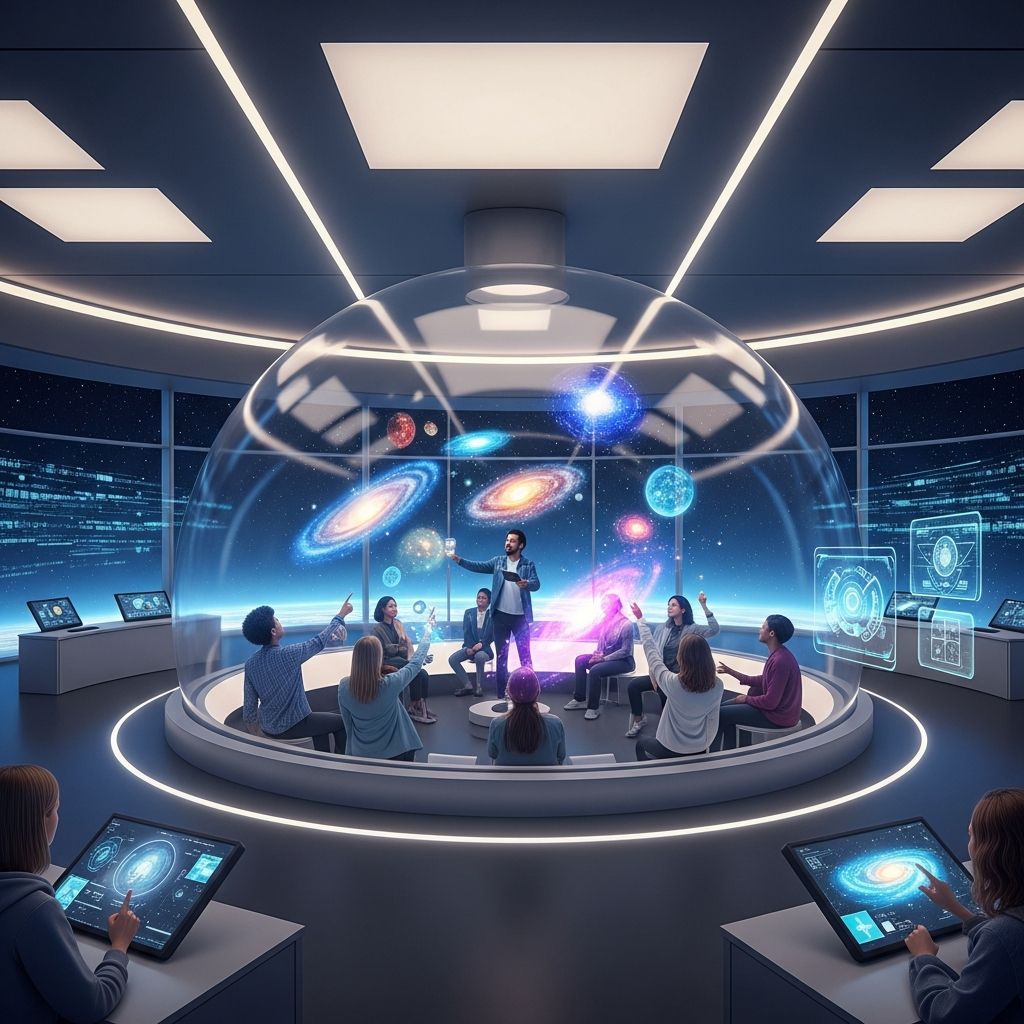
Creating Dynamic Cosmic Classroom Environments for Enhanced Learning
The physical environment where students learn plays a crucial role in shaping their educational experience and level of engagement. When teachers thoughtfully design their classroom spaces around compelling themes like space exploration, they create powerful learning contexts that stimulate curiosity and make abstract concepts tangible. A well-designed cosmic classroom extends beyond simple decoration—it becomes an interactive teaching tool that supports multiple learning objectives while maintaining student excitement throughout the academic year.
Space exploration captures the imagination of learners across all age groups, making it an exceptionally effective theme for classroom transformation. By establishing a cohesive visual environment that incorporates celestial elements, educators can establish an atmosphere where students feel transported to another world while remaining fully engaged in curriculum-based learning activities.
Foundational Elements for Establishing an Authentic Space Environment
The foundation of any successful themed classroom begins with intentional color selection and backdrop creation. A predominantly dark color palette featuring deep blacks, navy blues, and charcoal tones serves as the visual foundation that mimics the vastness of outer space. These darker tones provide the perfect canvas for introducing contrasting elements that represent celestial bodies and cosmic phenomena.
Strategic use of lighting transforms a space-themed classroom from merely decorated to genuinely immersive. Incorporating black lights or LED strips creates a luminous quality that simulates the depths of space and brings two-dimensional decorative elements to life. When combined with glow-in-the-dark materials and reflective surfaces, lighting becomes a key component in creating an atmosphere that feels authentically cosmic rather than simply decorated.
Backdrop installations serve as the visual anchor for the entire classroom environment. Rather than relying solely on flat decorations, consider creating layered backdrops that incorporate depth through the use of three-dimensional elements. Hanging planets at varying heights, suspending star fields at different distances from the walls, and strategically placing larger celestial representations creates a sense of dimensional space that reflects actual astronomical arrangements.
Architectural and Structural Design Features
Creating functional spaces that serve both decorative and pedagogical purposes requires thoughtful structural planning. Many educators successfully designate specific zones within their classrooms as immersive environments dedicated to particular aspects of space exploration.
- Vessel and Vehicle Installations: Constructing or repurposing materials to create recognizable spacecraft structures provides students with engaging spaces for both academic work and imaginative play. These installations can incorporate functional elements such as seating areas, storage compartments, and interactive panels that serve classroom management purposes while maintaining thematic consistency.
- Control Center Stations: Interactive control panels constructed from recyclable materials offer students opportunities to engage in role-play scenarios that reinforce scientific concepts. These stations can incorporate buttons, switches, and visual displays that students manipulate as part of learning activities or transition routines.
- Observation Decks: Designated seating areas arranged to resemble space stations or observation platforms provide comfortable locations for whole-group instruction, independent reading, or small-group discussions. Arranging furniture to face focal points such as ceiling installations or wall displays optimizes sightlines and focuses student attention.
- Explorer’s Quarters: Creating a dedicated reading nook or quiet study area designed as an astronaut’s quarters or research station offers students a refuge for focused work while maintaining thematic coherence throughout the classroom.
Suspended Elements and Three-Dimensional Displays
The vertical dimension of a classroom offers tremendous potential for creating visually engaging environments. Utilizing ceiling space through suspended installations transforms an often-neglected area into a captivating focal point.
Hanging planet representations at graduated heights creates a dynamic representation of the solar system or imaginary cosmic landscapes. Whether using paper lanterns, foam spheres, or other materials, suspended planets draw the eye upward and create a sense of wonder. Varying the size, color, and positioning of these elements adds visual complexity and maintains student interest over extended periods.
Star fields created through the strategic placement of small lights or reflective elements overhead simulate authentic night-sky conditions. These installations can be static or enhanced through the use of programmable lighting that creates dynamic effects simulating celestial phenomena such as meteor showers or auroras.
Suspended spacecraft models positioned at various points around the classroom reinforce the theme while providing visual reference points for orientation within the space. These elements can range from simple paper cutouts to detailed models constructed from recyclable materials or purchased representations.
Interactive Learning Zones and Activity Centers
Effective space-themed classrooms incorporate designated areas where students engage in hands-on learning activities directly connected to astronomical and space exploration content. These zones serve educational objectives while maintaining engagement through environmental immersion.
| Learning Zone Type | Primary Function | Recommended Elements |
|---|---|---|
| Construction Workshop | Building and engineering activities | STEM materials, design reference materials, construction documentation |
| Research Station | Information gathering and study | Reference books, digital resources, note-taking supplies, planetarium apps |
| Observation Area | Viewing and analysis activities | Binoculars, telescopes (toy or real), observation logs, comparison charts |
| Creative Production Center | Artistic expression and documentation | Art supplies, craft materials, documentation tools, display space |
Incorporating Technology and Digital Integration
Modern space-themed classrooms can leverage technology to enhance immersion and provide access to authentic astronomical data. Projection systems displaying real images from space agencies, planetarium software creating dynamic night-sky presentations, and augmented reality applications that overlay cosmic information onto classroom spaces all contribute to deepening the themed environment.
Digital displays can cycle through different space-related content such as images from space missions, information about astronomical phenomena, or representations of planetary systems. This dynamic approach maintains environmental novelty while supporting curriculum integration across multiple subjects.
Budget-Conscious Implementation Strategies
Creating an immersive space-themed classroom need not require substantial financial investment. Strategic use of recycled and repurposed materials can achieve visually impressive results while maintaining sustainability practices.
- Cardboard Construction: Sturdy cardboard boxes can be transformed into spacecraft, control panels, and architectural elements through painting and creative assembly. This approach offers flexibility for modification as classroom needs evolve.
- Repurposed Materials: Aluminum foil, black plastic sheeting, old wire, and similar materials can create convincing space-themed elements at minimal cost.
- Digital Decoration: Free online resources provide printable planet images, constellation diagrams, and space-related graphics that can be enlarged and posted throughout the classroom.
- Community Partnerships: Local businesses, universities, and space centers often donate materials or provide educational resources for classroom projects.
- Parent Contributions: Engaging families in collecting materials or contributing to specific projects spreads costs while building community investment in the classroom environment.
Organizational Systems Within Themed Environments
Maintaining an organized classroom becomes more manageable when storage and organizational systems integrate seamlessly with the thematic design. Labeled containers decorated with planetary symbols, file systems organized according to space exploration topics, and bulletin boards that double as both decoration and information display contribute to functional classroom management while supporting the overall theme.
Assigning space-related names to classroom job positions, organizational systems, and activity groups reinforces the theme while providing students with clear expectations and responsibilities. When students understand themselves as crew members of a space station or members of a research expedition, classroom procedures and behavioral expectations gain thematic resonance.
Seasonal and Rotational Updates
Sustaining student engagement with a themed environment requires periodic updates and modifications. Rather than replacing the entire theme, consider rotating which aspects receive emphasis or introducing new elements that align with curriculum units. Seasonal adjustments that reference different space missions, newly discovered astronomical phenomena, or upcoming celestial events maintain environmental freshness while providing curriculum-connected learning opportunities.
Multisensory Design Considerations
Beyond visual elements, incorporating multisensory components deepens immersion. Audio elements such as ambient space-themed background music, recordings of rocket launches, or sounds associated with space exploration enhance the environmental experience. While carefully managed to avoid distraction, these auditory components contribute significantly to creating an authentic atmosphere that engages students’ complete sensory experience.
Assessment and Student Agency in Design
Involving students in designing and maintaining the themed environment builds ownership and investment in the classroom space. Student-created artwork, self-directed decoration projects, and opportunities to contribute ideas for environmental modifications ensure that the space evolves to reflect student interests while maintaining coherence with educational objectives.
Frequently Asked Questions About Space-Themed Classrooms
Q: How much time does creating a space-themed classroom typically require?
A: The timeline varies significantly based on the complexity of your design and available resources. A basic setup might require 20-30 hours, while more elaborate installations could take 40+ hours. Many teachers spread this work across the summer or implement elements gradually throughout the year.
Q: Can space-themed designs work for upper elementary and middle school students?
A: Absolutely. While younger students respond to bright, playful elements, older students appreciate more sophisticated and authentic representations of space exploration. Adjusting the complexity level of interactive elements and reference materials ensures age-appropriate engagement across grade levels.
Q: How do I balance themed decoration with functional classroom needs?
A: Prioritize functionality first, then layer thematic elements around necessary classroom components. Ensure that decorative elements don’t compromise safety, accessibility, or the visibility of important instructional materials. Strategic placement allows both aesthetics and practicality to coexist effectively.
Q: What curriculum subjects integrate well with space-themed environments?
A: Science and STEM naturally align with space themes, but literacy (through space-related reading), mathematics (through orbital calculations and measurement), social studies (through history of space exploration), and even arts integrate seamlessly with thoughtful planning and intentional activity design.
Q: How can I maintain student engagement with the theme throughout an entire year?
A: Introduce new elements periodically, rotate featured content, connect learning units to space-related concepts, involve students in design updates, and introduce new challenges or missions that evolve as students progress through curriculum objectives. Dynamic approaches prevent the environment from becoming static or losing its novelty appeal.
References
- 55 Amazing Space-Themed Classroom Ideas — Education Corner. Retrieved April 2026. https://www.educationcorner.com/space-classroom-ideas/
- 44 Out of This World Space-Themed Classroom Ideas — We Are Teachers. Retrieved April 2026. https://www.weareteachers.com/space-themed-classroom-ideas/
- 25 Space Classroom Theme & Galaxy Decor Ideas — Chaylor & Mads. Retrieved April 2026. https://chaylorandmads.com/space-classroom-theme/
- Space Classroom Theme Ideas for Elementary Teachers in 2026 — Jodi Durgin. Retrieved April 2026. https://jodidurgin.com/space-themed-classroom-ideas-printable/
- 6 Out of this World Space-Themed Classroom Decor Ideas — Gifted and Talented Teacher. Retrieved April 2026. https://giftedandtalentedteacher.com/blogs/gifted-and-talented-teacher-blog-posts/6-out-of-this-world-space-themed-classroom-decor-ideas

- Integrated M.A. in Applied Linguistics, University of Hyderabad
- 5+ years in editorial, instructional, SEO, and research-based writing
Sneha is a relationships and lifestyle writer with a strong foundation in applied linguistics and certified training in relationship coaching. She brings over five years of writing experience to theskillvault, crafting thoughtful, research-driven content that empowers readers to build healthier relationships, boost emotional well-being, and embrace holistic living. Her writing and insights reflect the belief that beauty, happiness, and wellness…