
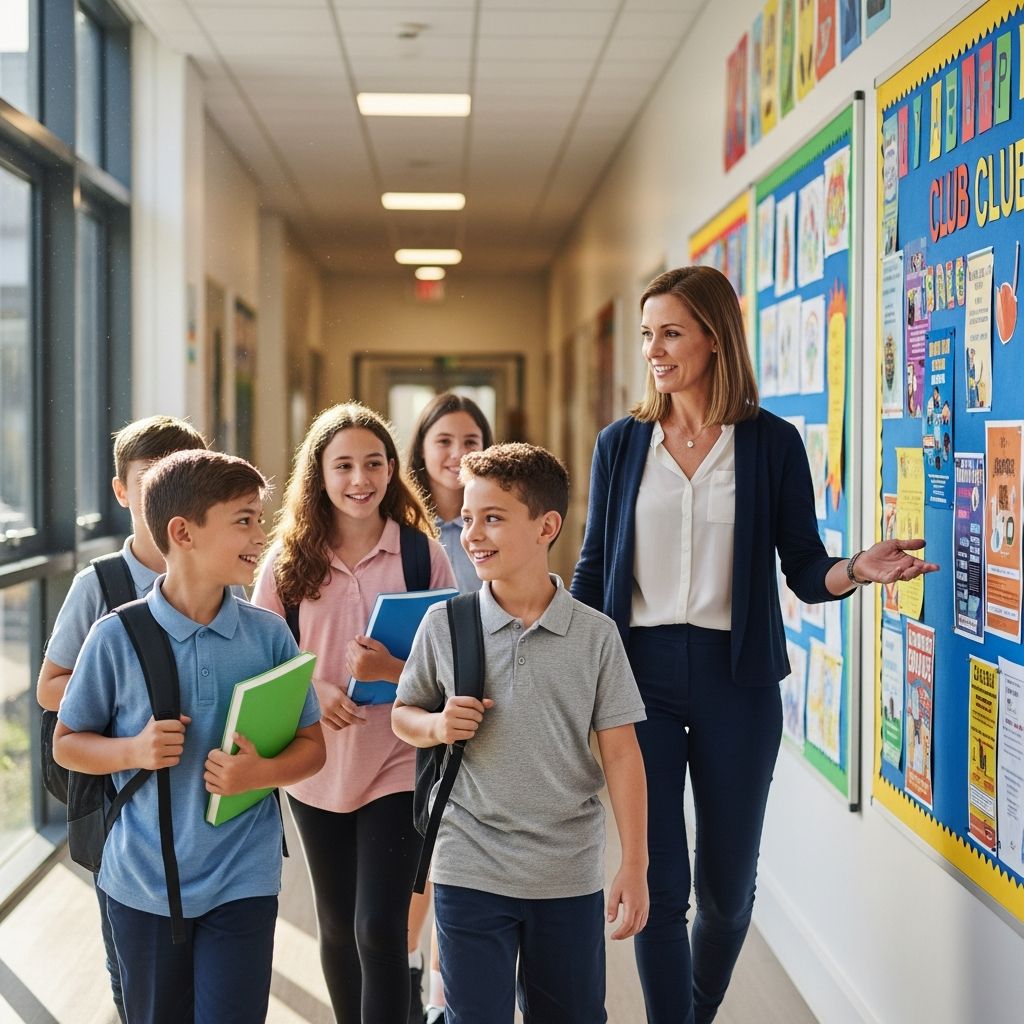
The shift from primary to secondary school marks a significant milestone for students entering Year 7. This period brings new challenges, including larger campuses, multiple teachers, and increased independence. Teachers and teaching assistants (TAs) play a vital role in smoothing this process, helping pupils adapt academically, socially, and emotionally. By implementing targeted strategies, educators can prevent common pitfalls like the ‘transition dip’—a temporary decline in confidence and performance—and set students up for long-term success.
Understanding the Challenges of the Year 7 Shift
Year 7 students face a multifaceted transition. They navigate bigger buildings, switch classes frequently, and encounter diverse teaching styles. Socially, leaving familiar primary friendships for larger peer groups can lead to isolation. Academically, expectations rise with specialized subjects and homework demands. Research from the School Transition and Adjustment Research Study (STARS) in England and Wales, tracking 2,000 pupils, shows that without support, many experience heightened anxiety and reduced engagement. For students with Special Educational Needs and Disabilities (SEND), these issues intensify due to sensory sensitivities, organizational difficulties, or social communication barriers.
Disadvantaged pupils and those from vulnerable backgrounds often struggle more, facing gaps in readiness exacerbated by summer learning loss. Studies indicate that structured interventions can bridge these divides, promoting equity. Emotional resilience is key; children who feel overwhelmed may disengage, impacting attendance and grades. Educators must recognize these dynamics early to intervene effectively.
Building Strong Foundations: Early Collaboration Between Schools
Success begins with proactive partnerships between primary and secondary institutions. Starting discussions in the spring term allows for seamless information sharing on pupil profiles, including strengths, needs, and effective strategies. Formal meetings involving SENCOs, pastoral leads, and Year 7 staff ensure continuity. Platforms for secure data exchange help secondary teachers prepare tailored plans, covering academic levels, behavioral insights, and wellbeing requirements.
Joint events like shared workshops or bridging projects familiarize students with secondary routines. Evidence from STARS highlights that such systemic approaches reduce school anxiety and enhance social adjustment. For SEND pupils, detailing accommodations—like visual timetables or quiet spaces—prevents disruptions. This collaboration extends to parents, fostering a united support network from day one.
Academic Preparation: Bridging the Learning Gap
Maintaining momentum over the summer holiday combats the ‘summer slide.’ Secondary schools can provide optional workbooks or online challenges in core subjects like maths and English. Modeling a secondary day—rotating rooms, meeting various staff—builds familiarity with structures. Short daily sessions focused on key skills ensure pupils arrive ready.
Individualized plans are crucial for SEND students. Sharing primary data on successful interventions, such as multi-sensory learning or extended processing time, equips Year 7 teachers. A table outlining common academic adjustments can guide planning:
| Need | Primary Strategy | Secondary Adaptation |
|---|---|---|
| SEND: Dyslexia | Phonics reinforcement | Audiobooks, text-to-speech tools |
| Low Readiness | Basic numeracy games | Pre-Year 7 maths boosters |
| High Ability | Extension projects | Enrichment clubs from week one |
Monitoring term-one progress allows adjustments, ensuring no pupil falls behind.
Fostering Social Connections and Belonging
A sense of community combats isolation. Pre-term team-building activities encourage new friendships in low-pressure settings. Peer mentoring pairs Year 7s with older students for guidance on routines and social norms. Buddy systems provide immediate allies, vital for SEND pupils who may struggle with unstructured interactions.
- Organize mixed-form group challenges to spark bonds.
- Host summer socials linking primary leavers.
- Implement house-based activities for cross-year links.
These foster belonging, a protective factor against disengagement. Structured opportunities ensure even shy students connect, reducing bullying risks and boosting confidence.
Emotional and Mental Health Support Strategies
Emotional readiness underpins success. Validate feelings of excitement or worry, helping students build resilience toolkits—techniques like deep breathing or positive self-talk. Schools can embed social-emotional learning (SEL) from induction, teaching adaptability and mistake management.
For vulnerable groups, targeted mentoring offers consistency through summer and early term. Health mentors matched to needs provide encouragement, addressing anxiety spikes. Staggered introductions to school activities ease overwhelm, aligning with developmental stages. TAs shine here, offering one-on-one check-ins and facilitating peer support groups.
Practical Tools and Interventions for Teachers and TAs
Empower staff with actionable steps:
- Pre-Transition Visits: Multiple tailored tours for anxious pupils, including SEND.
- Visual Aids: Personalized timetables, maps, and checklists for navigation.
- Induction Extensions: Extra days for vulnerable students to practice lockers and routines.
- Progress Tracking: Weekly wellbeing logs in term one.
- Parent Workshops: Sessions on supporting home routines.
TAs can lead small-group sessions on organization skills, like planners and homework tracking. Technology familiarization—logging into portals—prevents early frustrations.
Addressing Specific Needs: SEND and Disadvantaged Pupils
SEND transitions demand personalization. Beyond generic inductions, create ‘transition bubbles’—dedicated Year 7 spaces initially—for familiarity akin to primary. Extra visits, social stories, and sensory audits prepare pupils. Data standards ensure needs like communication aids transfer smoothly.
Disadvantaged students benefit from recruitment drives identifying at-risk pupils early. Consistent mentoring bridges confidence gaps, with activities promoting self-improvement. These targeted efforts promote equity, preventing persistent underachievement.
Long-Term Monitoring and Adjustment
Transition support doesn’t end at induction. Track attendance, engagement, and attainment through term one, adapting as needed. Feedback loops with primary schools refine future cycles. Celebrate milestones to reinforce growth, building a culture of ongoing pastoral care.
Frequently Asked Questions (FAQs)
What causes the ‘transition dip’ in Year 7?
The dip stems from new routines, social shifts, and academic pressures, often peaking in weeks 3-6. Structured support mitigates it.
How can TAs best assist SEND pupils?
TAs provide personalized plans, extra visits, and daily check-ins, ensuring continuity of primary strategies.
What role do parents play?
Parents reinforce routines, validate emotions, and attend workshops, partnering with school efforts.
Are buddy systems effective?
Yes, they build belonging and reduce anxiety, especially for vulnerable students.
How long does adjustment take?
Most settle within half a term, but monitoring extends to term’s end for full support.
By prioritizing these comprehensive approaches, teachers and TAs transform the Year 7 transition into an empowering launchpad. Evidence confirms that invested efforts yield confident, engaged learners ready to thrive.
References
- Year 7 Transition for SEND: Continuity from Day One — Pupil Pathways. 2023. https://pupilpathways.com/transition/send-and-the-year-7-transition-continuity-from-day-one/
- 5 Mistakes Schools Make About Year 7 Transition — Evolve SI. 2025-03-19. https://www.evolvesi.com/2025/03/19/year7transitionmistakes/
- Year 6 to Year 7 Transition Support | Complete Parent Guide — The Motivated Learner. 2023. https://www.themotivatedlearner.co.uk/year-6-to-year-7-transition-support
- Creating year 7 bubbles to support primary to secondary school transition — PMC (Peer-reviewed). 2023. https://pmc.ncbi.nlm.nih.gov/articles/PMC10721222/
- Teacher guidance on supporting transition to Secondary School — RSE Day (PDF). 2023. https://www.rseday.com/media/mgmnh2i0/13-teacher-guide.pdf

Medha Deb is an editor with a master's degree in Applied Linguistics from the University of Hyderabad. She believes that her qualification has helped her develop a deep understanding of language and its application in various contexts. Medha specializes in the areas of beauty, health, sports, and wellness and is committed to ensuring that the content on the website is…