
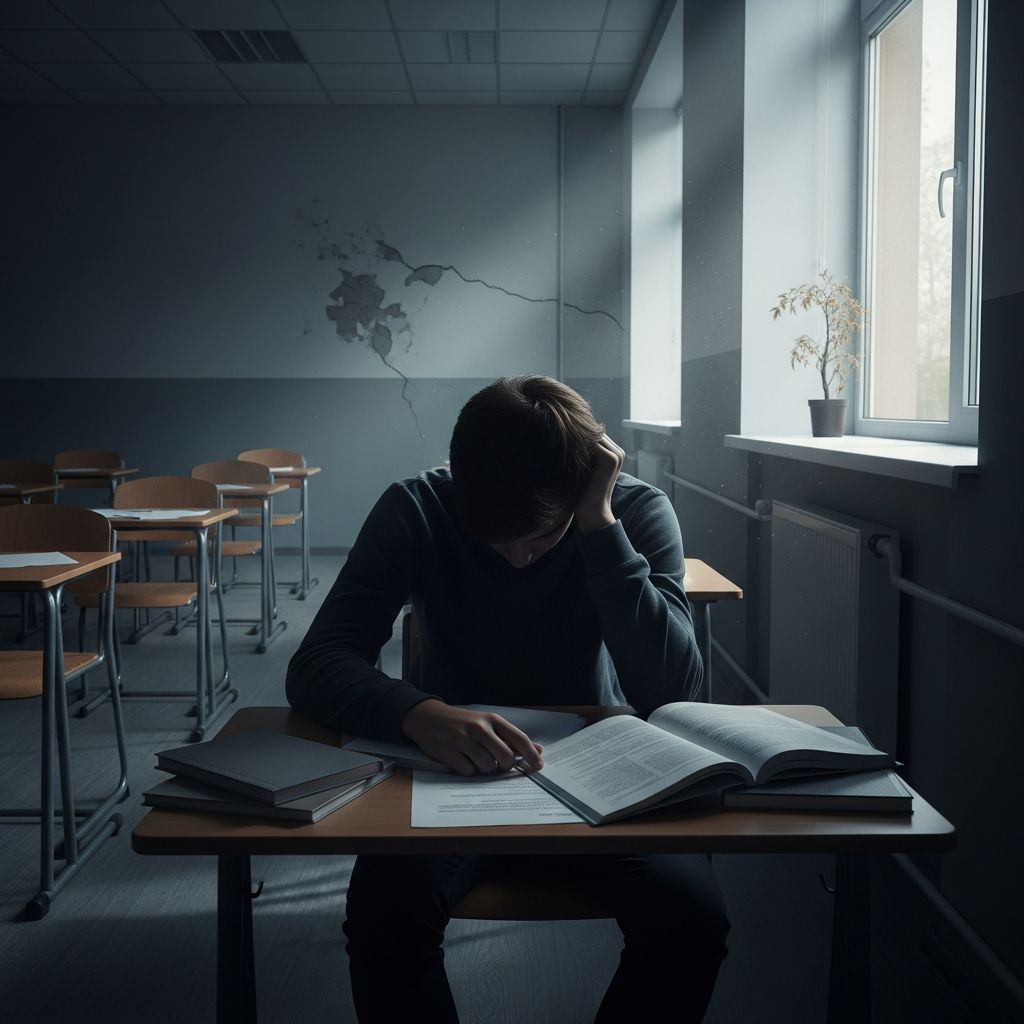
The COVID-19 pandemic disrupted lives worldwide, but its lingering effects on young people’s mental health in educational settings remain particularly stark. Years after lockdowns ended, UK schools grapple with heightened anxiety, social delays, and attendance crises among students. This article delves into these challenges, drawing on recent data to highlight causes, consequences, and potential solutions.
Persistent Emotional and Social Challenges Facing Students
Nearly four years post-lockdown, educators report profound emotional and social delays in classrooms. A survey of thousands of teachers revealed that 90% attribute these issues directly to remote learning and isolation during the pandemic. Disadvantaged pupils have been hit hardest, with 80% of teachers noting they lag behind peers academically and socially.
University research confirms this trend: young people’s mental health deteriorated significantly during COVID-19, showing elevated depression, social difficulties, and behavioral issues compared to pre-pandemic levels. Students already faced higher baseline rates of anxiety and depression before 2020, but lockdowns amplified these, with strong correlations between the two conditions.
- Anxiety spikes: Fear of illness and disrupted routines fueled persistent worry.
- Social skill gaps: Limited peer interactions hindered development of essential interpersonal abilities.
- Behavioral shifts: Increased irritability and withdrawal affect classroom dynamics.
Declining Attendance: A Symptom of Deeper Issues
School attendance has not fully rebounded, especially among vulnerable groups. Post-COVID data shows persistent absenteeism linked to mental health struggles, with disadvantaged children experiencing the widest gaps. This crisis signals systemic failures, as absence often reflects family hardships and unmet emotional needs rather than mere truancy.
Key drivers include pandemic-induced factors like learning loss and isolation. Students grappling with academic gaps feel overwhelmed, leading to avoidance. Northern England studies on secondary pupils echo this, noting lasting impacts from remote learning and family stressors.
| Factor | Impact on Attendance | Prevalence (Teacher Reports) |
|---|---|---|
| Anxiety/Depression | Heightened stress prevents school engagement | High (90% link to lockdowns) |
| Learning Gaps | Feelings of inadequacy deter return | 80% in disadvantaged groups |
| Social Isolation | Lack of peer bonds reduces motivation | Widespread post-lockdown |
Academic Setbacks Amplified by Wellbeing Decline
Beyond attendance, mental health issues erode learning progress. Only 5% of teachers view current recovery funding as effective, with 78% of headteachers calling for more investment beyond the £5 billion pledged. Remote learning widened inequalities, as disadvantaged students faced barriers to effective home study.
Studies from Oxford highlight how emotional difficulties during lockdowns translated into poorer wellbeing metrics. In the North of England, secondary students reported isolation and personal hardships exacerbating mental strain, with some showing remarkable resilience but many still affected.
Root Causes: From Lockdown Trauma to Systemic Pressures
The pandemic’s toll stems from multiple sources. Lockdowns severed social ties vital for youth development, while remote learning exposed digital divides. Mental Health Foundation surveys indicated 68% of young people experienced worsening conditions.
Broader societal factors, like institutional pressures and market-driven expectations, compound this. Foucault-inspired analyses suggest school structures often mismatch student needs, fostering dissonance. Family circumstances, including key worker parents, added stress during closures.
Core Contributors to Crisis
- Prolonged separation from peers and teachers.
- Irregular routines undermining stability.
- Heightened family economic pressures.
- Inadequate transition back to in-person learning.
Building Resilience: Strategies for Schools and Tutors
Recovery demands targeted interventions. Tutors offer personalized support to bridge gaps, rebuild confidence, and address emotional barriers. Schools must prioritize mental health integration, fostering welcoming environments.
Evidence supports multi-faceted approaches: enhanced counseling, peer support programs, and flexible learning. Teacher testimonials urge greater funding for catch-up efforts, emphasizing social-emotional learning. Resilience varies; while some students “bounce back,” others need sustained aid.
Evidence-Based Interventions
Effective strategies include:
- Mental health training for staff: Equips educators to spot early signs.
- One-on-one tutoring: Tackles individual learning and emotional needs.
- Community partnerships: Links families to external support.
- Mindfulness programs: Proven to reduce anxiety in students.
Rebuilding trust is crucial—absence often stems from feeling unsupported. Policymakers should expand funding, as current measures fall short.
Frequently Asked Questions (FAQs)
What are the main signs of post-COVID mental health issues in students?
Common indicators include increased anxiety, withdrawal, poor concentration, and reluctance to attend school, often tied to lockdown experiences.
How does low attendance relate to mental health?
Mental struggles like depression manifest as avoidance; addressing wellbeing can improve turnout.
Is current government funding sufficient for recovery?
No—only 5% of teachers find it effective, with calls for more investment.
Can tutoring help with these challenges?
Yes, personalized sessions rebuild skills and confidence, aiding re-engagement.
Have all students been equally affected?
No, disadvantaged groups face greater setbacks in attendance and learning.
Path Forward: Prioritizing Youth Wellbeing
The post-COVID era requires viewing education holistically, integrating mental health support into core practices. While challenges persist, proactive measures—bolstered by research and teacher insights—offer hope. Investing in students today ensures a healthier future generation.
References
- Teachers reveal “deep problems” in schools 4 years on from covid lockdown — Save the Children UK. 2024-01-01. https://www.savethechildren.org.uk/news/media-centre/press-releases/2024/teachers-reveal-deep-problems-in-schools-4-years-on-from-covid-lockdown
- The Post-COVID Mental Health Crisis in Education — Greenhouse Learning. 2024-01-01. https://greenhouselearning.co.uk/the-post-covid-mental-health-crisis-in-education/
- Effects of the COVID-19 lockdown on mental health in a UK student population — PMC/NCBI. 2022-04-20. https://pmc.ncbi.nlm.nih.gov/articles/PMC9077978/
- To what extent has the Covid-19 pandemic affected secondary school children’s mental health and wellbeing? — Taylor & Francis. 2024-06-15. https://www.tandfonline.com/doi/full/10.1080/00131911.2024.2371836
- Post-Covid school attendance crisis hitting disadvantaged children hardest — University of Leeds. 2024-01-01. https://www.leeds.ac.uk/news-society-politics/news/article/5894/post-covid-school-attendance-crisis-hitting-disadvantaged-children-hardest
- Young people’s mental health deteriorated at greater rate during pandemic — University of Oxford. 2023-09-21. https://www.ox.ac.uk/news/2023-09-21-young-people-s-mental-health-deteriorated-greater-rate-during-pandemic-major-new
- Impacts of lockdown on the mental health of children and young people — Mental Health Foundation. 2024-01-01. https://www.mentalhealth.org.uk/explore-mental-health/publications/impacts-lockdown-mental-health-children-and-young-people

- Integrated M.A. in Applied Linguistics, University of Hyderabad
- 5+ years in editorial, instructional, SEO, and research-based writing
Sneha is a relationships and lifestyle writer with a strong foundation in applied linguistics and certified training in relationship coaching. She brings over five years of writing experience to theskillvault, crafting thoughtful, research-driven content that empowers readers to build healthier relationships, boost emotional well-being, and embrace holistic living. Her writing and insights reflect the belief that beauty, happiness, and wellness…