
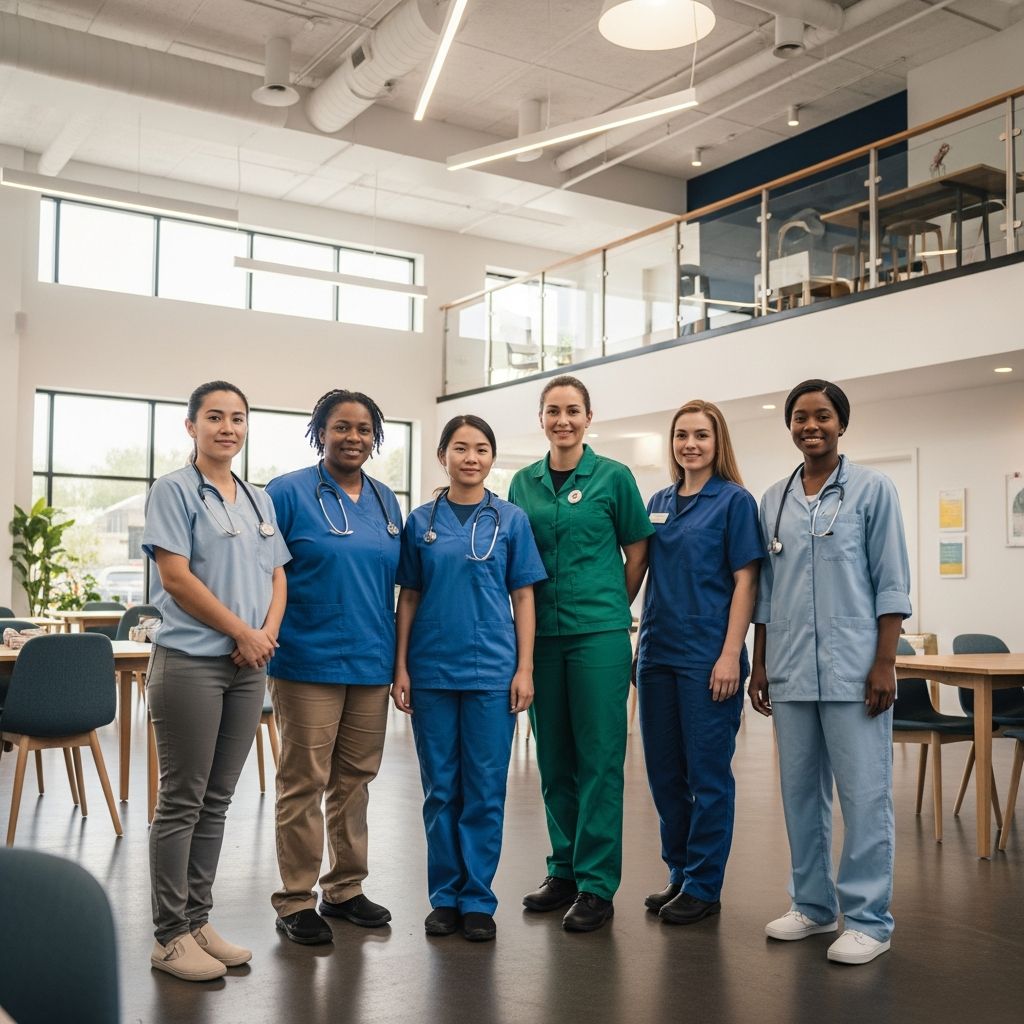
Community health professionals play a pivotal role in bridging gaps between healthcare systems and underserved populations. They focus on prevention, education, and access to resources, improving overall community well-being. This article outlines five key careers, their daily responsibilities, required qualifications, and actionable steps to enter these fields, drawing from established career pathways in public health.
Understanding the Community Health Landscape
Community health emphasizes proactive wellness rather than reactive treatment. Professionals in this sector work in diverse settings like clinics, schools, nonprofits, and local governments. Demand is rising due to growing awareness of social determinants of health, such as housing, nutrition, and education. Entry often requires a high school diploma, but advanced roles demand degrees and certifications. Salaries vary by location and experience, typically ranging from entry-level positions around $40,000 annually to specialized roles exceeding $70,000.
Key skills across these careers include cultural competency, communication, empathy, and data analysis. These roles not only offer job stability but also profound personal fulfillment through direct community impact.
Role 1: Community Health Outreach Specialist
Outreach specialists connect isolated individuals with vital services. They organize events, conduct door-to-door visits, and facilitate enrollment in programs like insurance or food assistance. Daily tasks involve building trust, assessing needs, and coordinating referrals.
Core Responsibilities
- Conducting community assessments to identify health disparities.
- Delivering workshops on topics like nutrition and disease prevention.
- Partnering with local leaders to promote vaccination drives or screenings.
- Tracking participant outcomes to refine programs.
Qualifications and Salary Insights
A high school diploma suffices for entry, but an associate or bachelor’s in public health boosts prospects. On-the-job training (100+ hours) is standard. Median salary: $45,000–$55,000.
Steps to Launch Your Career
- Earn baseline education: Complete high school or GED.
- Gain training: Enroll in a state-approved CHW program focusing on outreach skills.
- Secure experience: Volunteer at nonprofits or health fairs.
- Certify: Pursue Certified Health Education Specialist (CHES) if advancing.
- Apply strategically: Target community centers or public health departments.
Role 2: Public Health Educator
These professionals design and deliver educational content tailored to community needs. They teach in schools, workplaces, and via media, empowering people to adopt healthier lifestyles.
Key Duties
- Developing curricula on chronic disease management or hygiene.
- Presenting to diverse audiences, from youth to seniors.
- Evaluating program effectiveness through surveys and metrics.
- Collaborating with healthcare providers for integrated education.
Education and Earning Potential
Bachelor’s in health education or related field required; master’s preferred for leadership. Certification like CHES enhances employability. Average pay: $50,000–$65,000.
| Education Level | Typical Roles | Avg. Salary |
|---|---|---|
| High School + Training | Assistant Educator | $40,000 |
| Bachelor’s | Educator | $55,000 |
| Master’s + Cert | Senior Educator | $70,000+ |
Pathway to Success
- Obtain a relevant bachelor’s degree in public health or education.
- Complete specialized training in health promotion.
- Accumulate experience through internships at schools or clinics.
- Pass CHES exam for credibility.
- Network via professional associations.
Role 3: Health Program Coordinator
Coordinators manage initiatives like immunization campaigns or wellness programs. They handle logistics, budgeting, and stakeholder engagement to ensure smooth execution.
Primary Tasks
- Planning and budgeting for community programs.
- Recruiting volunteers and training staff.
- Monitoring compliance with health regulations.
- Reporting impact data to funders and agencies.
Requirements Overview
Bachelor’s in healthcare administration or public health needed; experience in coordination vital. Salaries: $55,000–$75,000.
Getting Started
- Pursue a bachelor’s in health-related field.
- Complete CHW training for foundational skills.
- Gain 1–2 years in entry-level roles.
- Specialize via master’s in public health.
- Seek roles in nonprofits or government.
Role 4: Patient Navigator
Navigators guide patients through complex healthcare systems, especially those with chronic conditions or facing barriers. They demystify appointments, treatments, and insurance.
Essential Functions
- Assisting with appointment scheduling and transportation.
- Explaining treatment options in accessible language.
- Advocating for patients in medical settings.
- Connecting to support services like counseling.
Career Prerequisites
High school diploma plus training; bilingual skills advantageous. Pay range: $42,000–$60,000.
Entry Roadmap
- Acquire high school education or equivalent.
- Undergo navigator-specific training (often employer-provided).
- Build community ties through volunteering.
- Earn relevant certification.
- Apply to hospitals or community clinics.
Role 5: Community Health Advocate
Advocates champion policy changes and resource allocation for health equity. They lobby, organize rallies, and influence local decisions.
Main Activities
- Researching health inequities and proposing solutions.
- Mobilizing communities for collective action.
- Collaborating with policymakers on legislation.
- Evaluating advocacy outcomes.
Qualifications
Bachelor’s or master’s in public health; strong communication essential. Salaries: $50,000–$80,000.
Steps Forward
- Earn advanced degree in public health.
- Gain field experience as CHW.
- Develop advocacy skills via workshops.
- Join networks like NASHP for state insights.
- Pursue leadership positions.
Shared Skills and Certification Essentials
All roles demand cultural sensitivity, outreach prowess, and ethics. Core certifications include CHES and Master CHES. Check state requirements via health departments.
- Communication: Tailor messages to audiences.
- Data Skills: Analyze health trends.
- Empathy: Build lasting trust.
Advancement Strategies
Progress by specializing (e.g., mental health), pursuing higher education, or leading teams. Continuous training keeps you competitive.
Frequently Asked Questions (FAQs)
What is the minimum education for community health roles?
High school diploma or GED, plus training, for most entry points.
Are certifications mandatory?
Varies by state and employer; CHES recommended for advancement.
How long is typical training?
100+ hours, often on-the-job or via programs.
What settings do these professionals work in?
Hospitals, schools, nonprofits, government agencies.
Can I start without a degree?
Yes, many entry roles prioritize experience and training.
References
- 6 Steps to Becoming a Community Health Worker — Indeed.com. 2023-2024. https://www.indeed.com/career-advice/finding-a-job/community-health-worker
- How To Become A Community Health Worker — Western Governors University. 2024. https://www.wgu.edu/career-guide/healthcare/community-health-worker-career.html
- Community Health Worker Career: 6 Steps To Get Ahead — CHW Training. 2023. https://chwtraining.org/community-health-worker-career/
- Community Health Worker: Duties, Salary + How to Become One — Coursera. 2024. https://www.coursera.org/articles/community-health-worker
- How to Get Your First Public Health Job — PHERN Community Commons. 2023. https://phern.communitycommons.org/early-career-professional-learning-series/how-to-get-your-first-public-health-job/
- How To Become a Community Health Worker — Grand Canyon University. 2023. https://www.gcu.edu/blog/nursing-healthcare/how-become-community-health-worker

- Integrated M.A. in Applied Linguistics, University of Hyderabad
- 5+ years in editorial, instructional, SEO, and research-based writing
Sneha is a relationships and lifestyle writer with a strong foundation in applied linguistics and certified training in relationship coaching. She brings over five years of writing experience to theskillvault, crafting thoughtful, research-driven content that empowers readers to build healthier relationships, boost emotional well-being, and embrace holistic living. Her writing and insights reflect the belief that beauty, happiness, and wellness…