
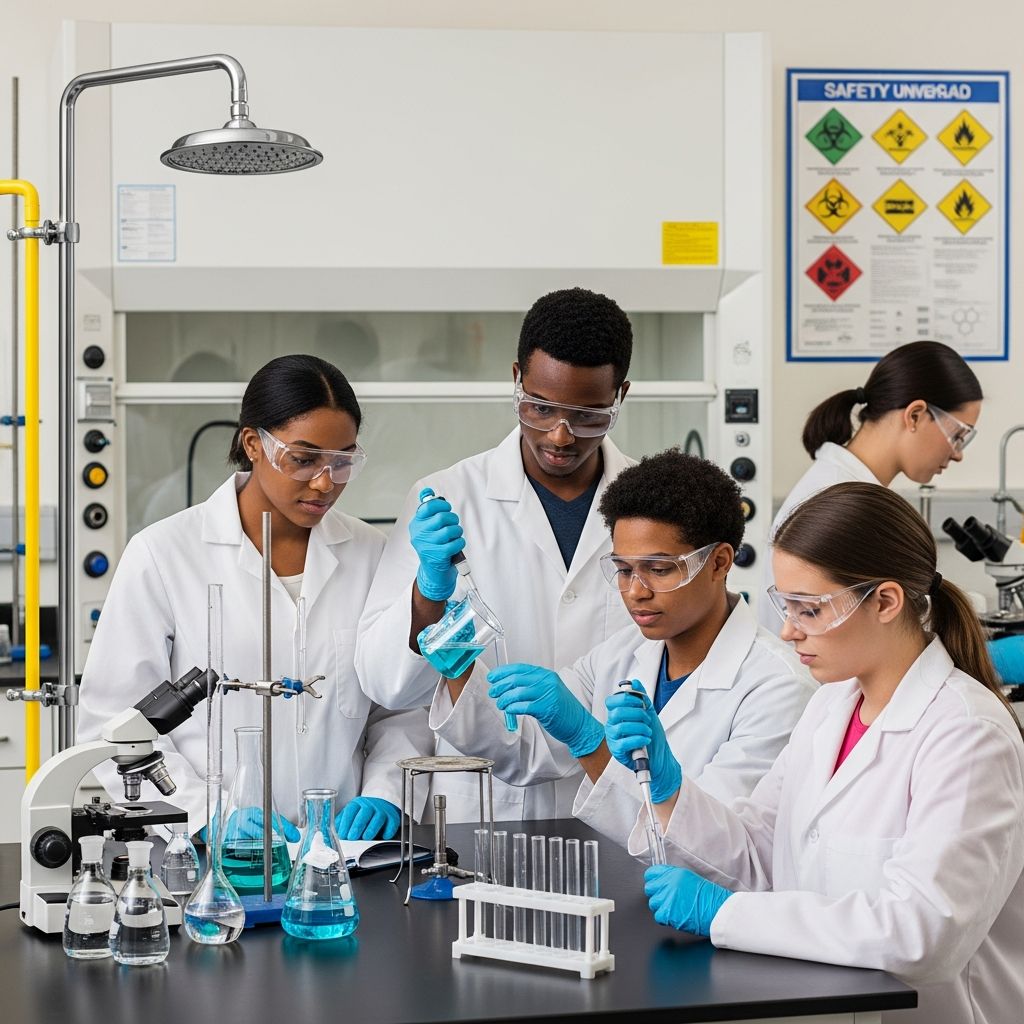
Creating a Foundation for Safe Scientific Inquiry
The laboratory represents a unique educational environment where students engage directly with chemicals, heat sources, specialized equipment, and various hazardous materials. While scientific experimentation offers invaluable learning opportunities, it simultaneously introduces multiple risks that demand careful management and strict adherence to established protocols. Understanding and implementing comprehensive safety measures is not merely a regulatory requirement—it represents a fundamental commitment to protecting yourself, your classmates, and your learning environment. This guide provides an in-depth exploration of critical safety practices that every student must master before entering any educational laboratory setting.
The Importance of Personal Protective Equipment
Personal protective equipment (PPE) forms the first line of defense against laboratory hazards. Before any student enters a laboratory workspace, they must be equipped with appropriate protective gear specifically designed to shield vulnerable body parts from potential harm. The type and extent of protective equipment required varies depending on the specific experiments being conducted, the chemicals involved, and the potential hazards present in the environment.
Eye Protection and Chemical Splash Prevention
Eye protection represents one of the most critical components of laboratory safety. Safety goggles that meet ANSI Z87.1-2010 standards for impact resistance must be worn whenever students are in areas where chemical splashes, broken glass, or flying debris pose a risk. Regular eyeglasses and contact lenses do not provide sufficient protection and should never substitute for proper safety goggles. For students who require prescription lenses, special goggles designed to accommodate corrective eyewear should be used. Additionally, students must understand that eye protection should remain on throughout the entire laboratory session, not just during active experimentation phases.
Hand and Skin Protection
Chemical-resistant gloves protect hands from hazardous substances while working with reactive compounds or irritating materials. Students should understand that different chemicals require different glove materials—latex gloves may be appropriate for some applications but ineffective against others. Laboratory coats or aprons provide an additional barrier against chemical splashes, preventing contamination of street clothing and protecting underlying skin. Closed-toe shoes with rubber soles offer protection against spilled liquids and fallen objects, while long pants provide coverage for lower extremities.
Understanding Chemical and Material Hazards
Before touching, mixing, or heating any substance in the laboratory, students must develop a working understanding of potential hazards. This foundational knowledge allows students to make informed decisions about appropriate handling procedures and necessary precautions. Many commonly used laboratory chemicals appear innocuous but possess dangerous properties that can cause severe burns, toxic reactions, or explosions if mishandled.
Never Mix Unknown Substances
One of the most dangerous practices in laboratory settings involves combining chemicals without explicit authorization and understanding of their properties. Unauthorized mixing can produce toxic gases, violent exothermic reactions, or unexpected explosions. Students must recognize that their curiosity, while valued in scientific contexts, must always remain subordinate to established safety protocols. All chemical combinations must be performed under direct teacher supervision using only authorized procedures.
Proper Chemical Handling and Storage
Chemical containers must remain in their original labeled bottles and never be transported to workstations in bulk quantities. Using only small amounts of needed substances minimizes spill risks and reduces potential exposure to hazardous materials. Clean, dry spatulas should be used exclusively for removing solid chemicals from storage bottles. Excess chemical materials must be properly disposed of according to institutional guidelines rather than returned to original containers, which could contaminate entire supplies and create dangerous conditions for future users.
Managing Physical Hazards and Heat Sources
Laboratory experiments frequently involve heat generation through Bunsen burners, hot plates, and other thermal equipment. Students must understand that heated glassware and metal apparatus retain dangerous temperatures long after flame sources are removed, creating burn hazards that persist throughout and beyond experimental procedures. Understanding proper handling techniques for hot materials prevents common laboratory injuries.
Safe Heating and Thermal Equipment Use
When heating substances in test tubes or beakers, students must never point the container toward themselves or classmates, as sudden boiling or splashing could project heated material in unexpected directions. Additionally, students should never look directly into a test tube while heating it, as contents may splatter or gases may escape unpredictably. Beaker tongs should be used exclusively for removing hot containers from heat sources rather than attempting to grab them with gloved hands. Students must also understand that hot objects should never be placed directly on laboratory surfaces where they might cause damage or create trip hazards.
Fire Prevention and Flammable Material Management
Laboratories using alcohol burners, solvents, or other flammable substances face elevated fire risks. Flammable liquids must be stored in specially designated cabinets rather than in regular laboratory storage areas. Electrical outlets should never be overloaded, and extension cords must not be used as permanent solutions for powering laboratory equipment. Students should know the locations of fire extinguishers, fire blankets, and emergency alarm systems within their laboratory space and understand basic operation procedures for these safety devices.
Maintaining Laboratory Organization and Cleanliness
A well-organized laboratory environment directly correlates with reduced accident rates and improved student safety. Cluttered workspaces create hazards including tripping risks, accidental equipment knockovers, and difficulty locating emergency equipment when needed. Students share responsibility for maintaining their assigned laboratory areas throughout experimental procedures and must complete thorough cleanup before departing.
Workspace Organization During Experiments
Long hair extending to chin length or beyond must be securely tied back to prevent catching fire or dipping into chemicals and equipment. Loose, dangling clothing and jewelry similarly pose hazards through entanglement with equipment or contact with flame sources. Before beginning any laboratory work, students should perform a personal preparation checklist confirming that hair is restrained, clothing is appropriate, and unnecessary items are secured. Bags, books, and personal belongings should be placed on designated shelves or under work tables where they cannot create tripping hazards or interfere with movement through laboratory pathways.
Post-Experiment Cleanup Protocols
Leaving workstations clean and organized represents a crucial responsibility that extends beyond personal workspace management. Solids must never enter laboratory sink drains, as they can cause plumbing damage and environmental contamination. All glassware must be properly cleaned and returned to designated storage locations. Spilled chemicals must be cleaned immediately according to institutional procedures. This attention to cleanup prevents hazards for subsequent laboratory users and maintains the overall safety of the shared educational space.
Understanding Emergency Procedures and Response Systems
Despite careful adherence to safety protocols, laboratory emergencies occasionally occur. Students must know emergency response locations and procedures before entering the laboratory environment, ensuring they can respond effectively if incidents develop. This knowledge becomes especially critical during moments of stress when quick decision-making is essential.
Emergency Equipment Locations and Operation
Every student should participate in a safety orientation that specifically identifies emergency equipment locations including eyewash stations, safety showers, fire extinguishers, first aid kits, and emergency exit routes. Students exposed to chemical splashes should immediately proceed to the eyewash station or emergency shower and rinse affected areas with running water for at least fifteen minutes or until emergency assistance arrives with alternative instructions. Understanding these procedures beforehand prevents delays that could result in more severe injuries.
Accident Reporting and Communication
All accidents, injuries, breakage, and chemical spills—regardless of apparent severity—must be reported immediately to supervising teachers. Students sometimes hesitate to report incidents due to fear of consequences or embarrassment about mistakes. However, prompt reporting enables proper medical attention, appropriate incident documentation, and identification of conditions requiring environmental remediation. Teachers should actively encourage incident reporting by responding positively when students communicate problems rather than attempting to conceal them.
Teacher Supervision and Laboratory Management
Student safety depends fundamentally on active teacher supervision and consistent enforcement of established protocols. Teachers must model appropriate safety behavior, wear required personal protective equipment, and demonstrate proper techniques during all laboratory procedures. Students observe teacher behavior and internalize attitudes about safety through these demonstrations.
Establishing Safety Culture and Expectations
Creating a laboratory culture that prioritizes safety requires consistent communication of expectations, visible enforcement of rules, and recognition of exemplary safety behavior. Posting safety guidelines in prominent locations, providing students with printed reference materials, and incorporating safety considerations into regular classroom discussions reinforce the importance of these practices. Some educational institutions implement lab safety contracts where students acknowledge understanding specific protocols and commit to following established procedures, creating both awareness and accountability.
Maintaining Supervision Throughout Experiments
Teachers must never leave students unsupervised in laboratory environments and must monitor safety compliance throughout experimental procedures, not just at beginning and conclusion phases. This ongoing attention allows teachers to identify unsafe practices immediately and provide corrective guidance before incidents occur. Teachers should also ensure that unauthorized visitors do not enter laboratory spaces and that students do not remove chemical containers or hazardous materials from the laboratory environment.
Preparation and Authorization Procedures
Before conducting any laboratory experiment, students must read procedures thoroughly, understand associated safety information, and receive explicit authorization to perform specific techniques. This preparatory phase allows students to identify potential hazards, gather necessary protective equipment, and mentally rehearse proper procedures before engaging with actual materials.
Pre-Laboratory Briefings and Instructions
Teachers should provide clear verbal and written instructions before each laboratory session, addressing not only the experimental procedures themselves but also specific safety considerations relevant to the materials and equipment being used. Students must be encouraged to ask clarifying questions about any procedures they do not fully understand, and teachers should verify comprehension before authorizing independent work. When multiple students work simultaneously, teachers should conduct brief safety check-ins at regular intervals, asking students to demonstrate that they are following established protocols correctly.
Unauthorized Experimentation and Unsupervised Work
Students must never attempt unauthorized experiments or modify established procedures without explicit teacher approval. Even well-intentioned modifications based on student insights can introduce unexpected hazards. Similarly, students should never work alone in laboratory environments—the presence of another person ensures that assistance is available if accidents occur and that emergency procedures can be implemented promptly.
Frequently Asked Questions About Laboratory Safety
Q: Why is it so important to wear safety goggles even during low-risk experiments?
A: Even seemingly simple experiments can produce unexpected outcomes including chemical splashes or equipment breakage. Safety goggles protect against these unpredictable incidents and ensure that eyes remain protected throughout laboratory sessions.
Q: Can I use regular eyeglasses instead of safety goggles?
A: No. Regular eyeglasses do not meet safety standards and do not provide side protection required for laboratory environments. Students requiring vision correction should wear safety goggles designed to accommodate prescription lenses.
Q: What should I do if I spill a chemical on my skin?
A: Immediately proceed to the nearest eyewash station or emergency shower and rinse the affected area with running water for at least fifteen minutes. Then report the incident to your supervising teacher for further evaluation and documentation.
Q: Why can’t I eat or drink in the laboratory?
A: Chemical residues that may not be visible can contaminate food and drinks, introducing hazardous substances into your body. The laboratory functions as a professional work environment, not a dining area.
Q: What should I do if I notice another student not following safety procedures?
A: You should respectfully notify the student about the unsafe practice and encourage them to follow proper procedures. If the behavior continues, report the situation to your supervising teacher so they can provide appropriate guidance.
Q: Why must I tie back long hair in the laboratory?
A: Long hair can catch fire when near flame sources, dip into chemicals or equipment, or knock over containers and apparatus during movement. Securing hair prevents these common but preventable accidents.
Developing Long-Term Safety Awareness
Laboratory safety represents more than memorizing rules and following instructions—it reflects developing genuine awareness about hazards and commitment to protecting yourself and others. Students who internalize safety culture during educational laboratory experiences carry these protective attitudes into professional scientific careers and other environments where hazardous materials or equipment are present. By consistently practicing these safety protocols, asking questions about procedures, and supporting classmates in following established guidelines, students create laboratory environments where scientific inquiry can proceed effectively while minimizing risk.
References
- Top 10 Lab Safety Rules for Middle School Science Labs — JoVE. 2024. https://www.jove.com/schools/top-10-lab-safety-rules-for-middle-school-science-labs/
- 9 Ways to Reinforce Lab Safety in the Classroom or at Home — Ward’s Science. 2024. https://wardsworld.wardsci.com/safety/9-ways-to-reinforce-lab-safety-in-the-classroom-or-at-home-plus-a-free-student-safety-contract
- Lab Safety Rules for Students — United Federation of Teachers. 2024. https://www.uft.org/chapters/doe-chapters/lab-specialists/you-should-know/lab-safety-rules-students
- School Chemistry Laboratory Safety Guide — Centers for Disease Control and Prevention (CDC/NIOSH). 2007. https://www.cdc.gov/niosh/docs/2007-107/pdfs/2007-107.pdf
- Laboratory Safety Rules — University of Cincinnati Blue Ash College. 2024. https://www.ucblueash.edu/content/dam/refresh/blueash-62/documents/academics/academic-departments/chemistry/LabSafetyRules.pdf
- Safe Laboratory Practices & Procedures — Office of Research Services (ORS), National Institutes of Health (NIH). 2024. https://ors.od.nih.gov/sr/dohs/safety/laboratory/Pages/student_goodlab.aspx
- 9 Lab Safety Rules, Regulations, and Guidelines for 2022 — Genemod. 2022. https://genemod.net/blog/lab-safety-rules
- Laboratory Safety Rules — Oklahoma State University Environmental Health & Safety. 2024. https://ehs.okstate.edu/laboratory-safety/lab_safety_rules

- Integrated M.A. in Applied Linguistics, University of Hyderabad
- 5+ years in editorial, instructional, SEO, and research-based writing
Sneha is a relationships and lifestyle writer with a strong foundation in applied linguistics and certified training in relationship coaching. She brings over five years of writing experience to theskillvault, crafting thoughtful, research-driven content that empowers readers to build healthier relationships, boost emotional well-being, and embrace holistic living. Her writing and insights reflect the belief that beauty, happiness, and wellness…