
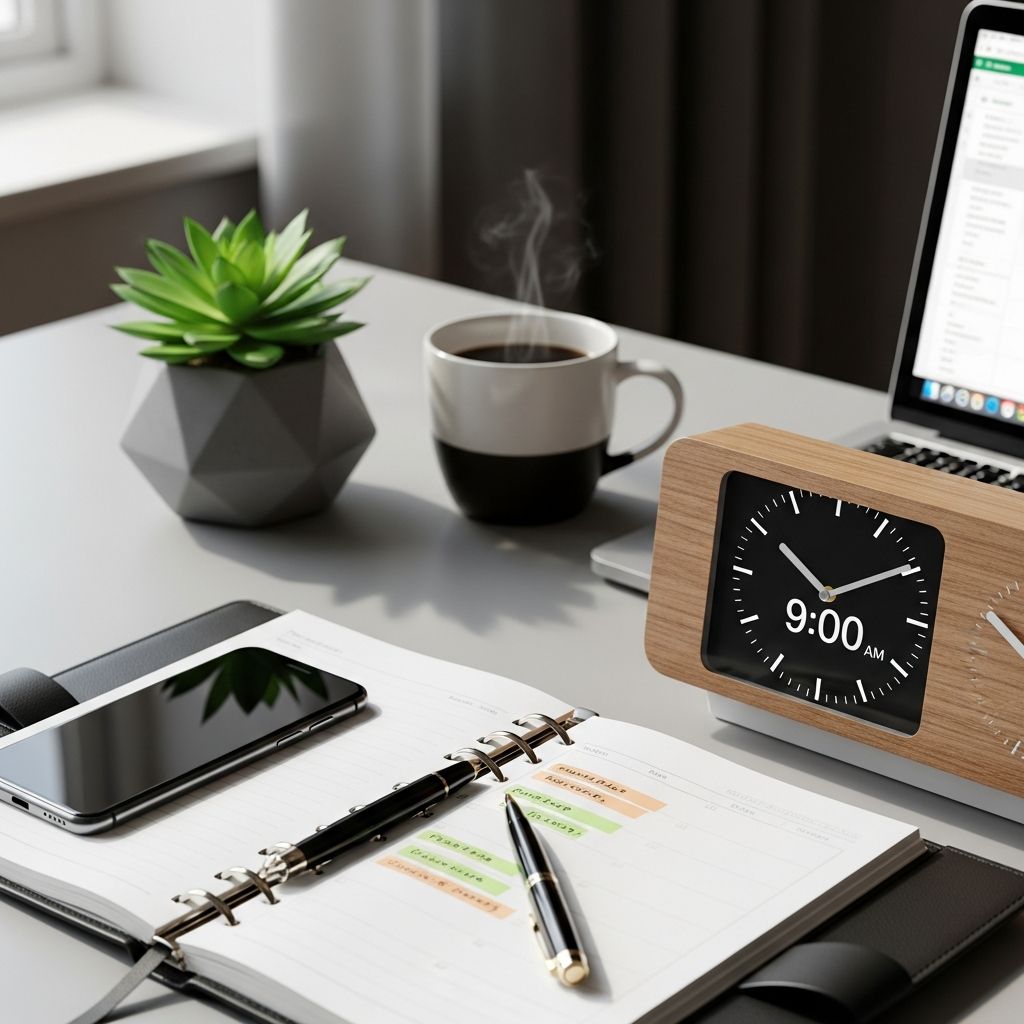
Creating a daily schedule that works isn’t about cramming more tasks into 24 hours—it’s about aligning your activities with your body’s natural energy cycles to achieve more with less effort. Research shows that structuring your day around peak cognitive times can boost output by up to 20-30%. This guide draws on insights from productivity experts and scientific studies to help you build a personalized routine that sustains high performance.
Understanding Your Body’s Natural Rhythms
Your circadian rhythm dictates when you’re sharpest for deep work, creative thinking, or routine tasks. Most people experience a morning peak in alertness, a midday dip, and an afternoon rebound, followed by evening creativity surges. Ignoring these patterns leads to fatigue and inefficiency; embracing them turns ordinary days into powerhouse sessions.
Track your energy for a week: note when you feel focused, sluggish, or inspired. Tools like journals or apps reveal patterns—perhaps you’re a morning person tackling analytics early, while evenings suit brainstorming. Chronotypes vary: early birds thrive pre-noon, night owls post-lunch.
Building a Powerful Morning Launchpad
The first hour sets the tone. Wake early—ideally 5:30-6 AM—to claim uninterrupted time before distractions hit. Hydrate immediately to reoxygenate cells, then move: a 20-30 minute jog or stretch elevates endorphins and sharpens focus.
- 5:30 AM: Rise, drink 16 oz water with lemon for metabolism kickstart.
- 5:45 AM: Light exercise—jog, yoga, or bodyweight routine to spike heart rate.
- 6:30 AM: Shower, dress intentionally to signal ‘work mode.’
- 7:00 AM: Nutritious breakfast within 30 minutes of waking: oats, eggs, or smoothie for steady glucose.
Avoid snoozing; it fragments sleep cycles, causing grogginess. Prep the night before—outfit ready, breakfast ingredients prepped—to minimize decisions.
Tackling High-Impact Tasks During Peak Hours
Schedule your ‘frog’—the toughest task—first, when willpower and cognition peak (typically 8-10 AM). This ‘eat the frog’ method, popularized by productivity gurus, ensures progress on what matters most before energy wanes.
Block 90-120 minutes uninterrupted: silence notifications, use focus modes. Mornings suit analytical work like writing reports or coding, as prefrontal cortex activity is highest.
| Time Slot | Best Tasks | Why It Works |
|---|---|---|
| 8-10 AM | Deep work (e.g., planning, problem-solving) | Peak alertness; cortisol aids focus. |
| 10-10:30 AM | Coffee break, quick walk | Replenishes dopamine post-peak. |
| 10:30 AM-12 PM | Continued deep work or emails | Sustained momentum. |
Navigating the Midday Energy Dip
Around noon, most hit a ‘trough’—use it wisely. Step away for lunch: eat nutrient-dense meals (protein, veggies, healthy fats) away from screens to recharge. A 20-25 minute power nap restores alertness without inertia.
Plan afternoons lightly: 11:45 AM, outline post-lunch goals to hit the ground running. Include movement—a 15-minute walk boosts circulation and mood.
Leveraging Afternoon Strengths
Post-2 PM, coordination peaks—ideal for physical tasks, collaboration, or routine admin. Schedule meetings at 2:30 PM; attendees are more available and decision-friendly mid-afternoon.
- 12-1 PM: Lunch break + short nap/meditation.
- 2-4 PM: Meetings, calls, or hands-on projects.
- 3 PM: Healthy snack (nuts, fruit) to bridge to dinner.
- 4 PM: Routine tasks like filing or data entry.
Day theming amplifies this: Mondays for planning, Tuesdays for team syncs, Fridays for creative reviews.
Evening Wind-Down for Creativity and Recovery
As alertness dips post-5 PM, shift to low-stakes creativity: brainstorm, hobby projects, or planning tomorrow. Exercise here if evenings suit—reaction times peak around 6 PM.
Dinner by 6:30-8 PM, at least 3 hours pre-bed for digestion. Unwind 8-9 PM: read, journal affirmations, or pursue passions—fatigue lowers inhibitions, sparking innovation.
| Evening Phase | Activities | Benefits |
|---|---|---|
| 5-6 PM | Commute/review day, light exercise | Decompresses mind. |
| 6-7 PM | Dinner prep/eat | Sustains energy overnight. |
| 8-9:30 PM | Creative pursuits, next-day prep | Boosts fulfillment. |
| 9:30-10 PM | Wind-down ritual | Primes quality sleep. |
Customizing for Night Owls and Shift Workers
Not everyone peaks at dawn. Night owls invert: deep work post-lunch, mornings for admin. Shift workers anchor routines around sleep blocks, prioritizing consistency. Test variations weekly; flexibility prevents rigidity burnout.
Tools and Habits for Schedule Success
Time-block digitally: apps like calendars or Todoist for visual blocks. Nightly 10-minute reviews: list tomorrow’s frog, block non-negotiables. Weekly themes ensure balance—protect family time, self-care.
Habits stick via cues: pair coffee with planning, walks with podcasts. Track wins to build momentum; adjust quarterly as life evolves.
Frequently Asked Questions (FAQs)
What if I can’t wake up early consistently?
Gradually shift bedtime earlier by 15 minutes nightly. Prioritize 7-9 hours sleep; consistency trumps perfection.
How do I handle unexpected interruptions?
Build buffer zones (15-30 min between blocks). Reschedule frogs flexibly—progress over perfection.
Is a rigid schedule realistic for parents?
Yes—theme family time as sacred blocks. Involve kids in routines for shared wins.
What’s the ideal sleep time?
10-11 PM for 7-8 hours, aligning with melatonin rise. Dim lights post-8 PM.
Can I adapt this for remote work?
Absolutely—replace commutes with transitions like walks. Boundaries prevent blur.
Sustaining Long-Term Productivity
A great schedule evolves. Monthly audits: what’s working? Tweak for seasons, goals. Combine with mindset: view time as ally, not enemy. High-achievers don’t work harder—they work smarter, rising early for rituals that fuel success.
Implement one change weekly: start with morning hydration tomorrow. Over time, compound gains transform chaos into flow.
References
- The Most Productive Way to Schedule Your Day — Syracuse University Online. 2023. https://onlinegrad.syracuse.edu/blog/productivity/
- How to Plan Your Perfect Day for Maximum Productivity — Asian Efficiency. 2023. https://www.asianefficiency.com/schedule-management/plan-perfect-day-superhuman-productivity/
- 14 Daily Routine Examples For a Productive and Powerful Day — BetterUp. 2023. https://www.betterup.com/blog/daily-routine-examples
- How to Craft the Perfect Daily Schedule (According to Science) — Todoist. 2023. https://www.todoist.com/inspiration/daily-schedule
- Here’s The Schedule Very Successful People Follow Every Day — Barking Up The Wrong Tree. 2014-06-01. https://bakadesuyo.com/2014/06/schedule/

Medha Deb is an editor with a master's degree in Applied Linguistics from the University of Hyderabad. She believes that her qualification has helped her develop a deep understanding of language and its application in various contexts. Medha specializes in the areas of beauty, health, sports, and wellness and is committed to ensuring that the content on the website is…